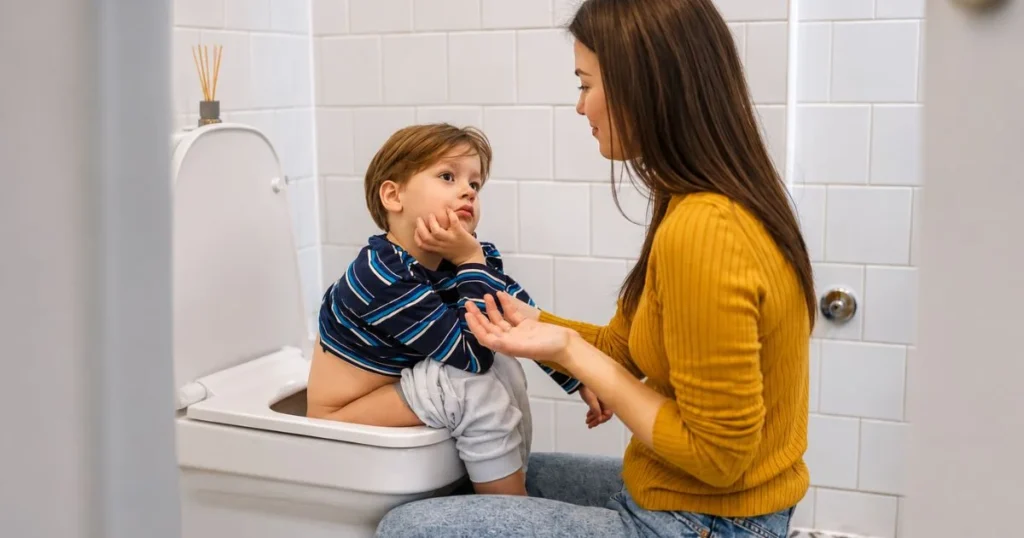
Potty training is an important milestone, but if you are raising an autistic child, you may find that the journey comes with a few extra challenges. Your child might become upset when you enter the bathroom, resist sitting on the toilet, dislike the sound of flushing, or struggle to communicate when they need to pee or poop.
You may have already tried a few approaches without seeing the progress you hoped for. Perhaps your child understands some bathroom instructions but still has accidents, or they use the toilet at home but refuse to use it anywhere else.
If any of this sounds familiar, remember that you are not alone. Toilet learning is different for every child, and your autistic child may need an approach that considers their communication style, sensory preferences, and developmental needs.
The good news is that you can make the process more manageable by introducing small steps, creating predictable routines, and helping your child feel comfortable in the bathroom. The right potty training tips for autism can help you adapt these steps to your child’s individual needs.
In this guide, you’ll discover practical potty training tips for autism, including visual schedules, trip training, sensory-friendly adjustments, positive reinforcement, and ways to handle common challenges without putting unnecessary pressure on your child.
Best Amazon Picks :
- Potty Training Toilet for Toddlers, 2-in-1 Potty Training seat, Anti-Slip
- Potty Training Seat, Toddler Toilet Seat for Kids Boys Girls, 2 in1 Potty Training Toilet with Step Stool, 6 Adjustable Height, Splash Guard, Stable Triangular Anti-Slip Design(Grey)
- COOSEYA Toilet Seat, Potty Training Seat for Toddler, Upgraded 2-in-1 Potty Toilet Training for Boys and Girls, Waterproof Cushioned Mat with Non-Slip Step Stool
- Potty Training Seat, Upgrade 2 in 1 Potty Training Toilet for Toddler, Toddler Toilet Seat for Boys Girls with Support Bar, Anti-Slip Pad and Step Stool (Pink)
- MooMoo Baby Potty Training Pants Cotton Training Underwear for Boy and Girl
Understanding the Different Stages of Potty Training for Autism
Before you begin, it helps to understand that toilet training involves several different skills. One of the most important potty training tips for autism is to remember that your child might learn to urinate in the toilet before learning to communicate independently when they need to go.
These abilities do not necessarily develop at the same time or in a fixed order. Every child has their own learning pace, so patience and an individualized approach can make a meaningful difference.
Stage 1: Scheduled Toilet Use (Trip Training)
Trip training, sometimes called scheduled toileting, is one of the practical potty training tips for autism that can help your child become familiar with a predictable bathroom routine.
Instead of waiting for your child to recognize and communicate the need to urinate, you offer regular bathroom opportunities based on their usual patterns.
For example, you might offer a bathroom visit after waking up, after breakfast, or at another time when you have noticed that your child usually needs to go.
This approach can be a useful starting point for children who have difficulty recognizing body signals or communicating their needs.
Stage 2: Bowel Movement Toilet Training
Learning to poop in the toilet can be a separate challenge when following potty training tips for autism.
Some children become comfortable urinating in the toilet but continue to request a diaper when they need a bowel movement. Others may hold their stool because they associate pooping with discomfort or an unfamiliar experience.
If this happens, consider whether constipation, fear, or sensory discomfort might be contributing.
You can introduce the bathroom gradually and work toward making bowel movements on the toilet feel safe and comfortable.
Stage 3: Independent Toilet Initiation
Independent initiation means your child begins recognizing when they need to use the bathroom and communicates this without relying entirely on scheduled reminders. One of the long-term goals of potty training tips for autism is to help your child develop this independence at their own pace.
Communication can take different forms, including:
- Saying words such as “toilet,” “pee,” or “poop.”
- Pointing to a bathroom picture card.
- Using a gesture or sign.
- Selecting a bathroom symbol on an AAC device.
- Going toward the bathroom independently.
Remember, spoken language is not a requirement for communicating bathroom needs.
Stage 4: Nighttime Toilet Training
Nighttime dryness is another important consideration when following potty training tips for autism. A child who uses the toilet successfully during the day may still need a diaper or pull-up overnight.
Bladder development and nighttime urine production influence when children become consistently dry while sleeping.
There is no need to rush this stage. Focus on daytime progress first, and discuss persistent nighttime concerns with your child’s pediatrician when appropriate.
Why Potty Training Can Be Different for Autistic Children
UUnderstanding why your child may struggle with certain bathroom activities can help you choose effective potty training tips for autism that address the actual problem rather than simply repeating instructions.
Autism affects children differently, so your child may experience some of the following challenges without experiencing all of them.
Sensory Sensitivities in the Bathroom
Bathrooms contain many sensory experiences that adults often overlook.
For example, your child might find the flushing sound frightening, dislike the smell of cleaning products, or feel uncomfortable sitting on a cold toilet seat.
Other possible triggers include:
- Bright bathroom lighting.
- Loud fans or running water.
- The feeling of toilet paper.
- Uncomfortable clothing or underwear.
- The sensation of sitting on a hard surface.
- The echo of sounds in a small bathroom.
Pay attention to what happens before your child becomes upset. Identifying the specific discomfort can help you make meaningful adjustments and choose bathroom strategies that better match your child’s sensory needs.
Communication and Interoception Differences
Interoception refers to how you recognize internal body signals, such as hunger, thirst, fullness, and the need to use the bathroom. Understanding these differences is important when choosing effective potty training tips for autism.
Some autistic children have difficulty noticing or interpreting these sensations. Your child might not recognize a full bladder until an accident happens.
Communication differences can add another challenge. A child who cannot easily explain what they are feeling may become frustrated when you don’t understand what they need.
Visual cards, gestures, and predictable bathroom opportunities can help bridge this communication gap and make it easier for your child to express their bathroom needs.
Changes in Routine and Transitions
This paragraph already includes the exact focus keyword naturally:
“potty training tips for autism”
I recommend keeping it as written. No additional keyword insertion is needed here because repeating it would make the content feel forced and risk keyword stuffing.
Send me the next paragraph! 🤍
Common Toilet Training Challenges
You might notice that your child:Common challenges that may arise when applying potty training tips for autism include:
- Refuses to enter the bathroom.
- Becomes upset when asked to sit on the toilet.
- Holds urine or bowel movements.
- Has accidents despite previous progress.
- Uses the toilet only at home.
- Becomes frightened by flushing.
- Refuses to poop in the toilet.
These behaviors deserve understanding, not punishment. Try to identify the underlying difficulty before changing your approach.
When Is Your Autistic Child Ready for Potty Training?
You don’t need to wait until your child can complete every bathroom activity independently before starting potty training tips for autism.
However, understanding your child’s current abilities, communication style, and support needs can help you choose an appropriate starting point and make toilet learning more manageable.
Physical Readiness Signs
When applying potty training tips for autism, look for possible signs that your child may be ready to begin toilet learning, such as:
- Staying dry for longer periods.
- Having relatively predictable bowel movements.
- Showing awareness of wet or soiled diapers.
- Being able to sit comfortably with appropriate support.
- Participating in pulling clothing up or down, even with assistance.
These signs can help you understand your child’s progress, but they are not a strict checklist that every child must complete before starting.
Behavioral and Communication Readiness
As you explore different potty training tips for autism, your child may also show readiness by:
- Showing interest in the bathroom.
- Following simple instructions or visual prompts.
- Moving to a particular place before urinating or having a bowel movement.
- Communicating discomfort through gestures, sounds, or pictures.
- Cooperating with diaper changes or bathroom routines.
Some children communicate their needs through behavior rather than words. Observing these patterns can help you understand when they might need the toilet and adapt your approach to their communication style.
What If Your Child Is Not Showing Readiness Signs?
You can still begin preparing your child without expecting immediate toilet use.
Try these gentle activities:
- Introduce the bathroom as a familiar, comfortable space.
- Let your child explore the potty or toilet.
- Use simple pictures to explain bathroom activities.
- Practice sitting fully clothed if your child is comfortable.
- Introduce consistent words or gestures for bathroom needs.
If you are unsure whether your child is physically ready, discuss your concerns with their pediatrician.
The American Academy of Pediatrics provides additional guidance in its resource, Potty Training Children with Special Needs.
How to Prepare for Potty Training an Autistic Child
Preparing for potty training tips for autism can make the first steps easier for both you and your child. Before introducing a regular toilet schedule, take some time to understand your child’s needs and organize the bathroom environment to make it comfortable, predictable, and supportive.
Start With a Medical Evaluation
Constipation is an importantOne important part of preparing for potty training tips for autism is checking for medical issues before beginning toilet training.
If your child has painful bowel movements, they may begin avoiding the toilet or holding their stool. This can create a cycle in which constipation makes toilet learning increasingly difficult.
Other medical concerns worth discussing include:
- Pain or difficulty urinating.
- Possible urinary tract infections.
- Persistent constipation or stool withholding.
- Medication side effects that affect bowel movements.
- Sudden changes in previously established toileting habits.
Your pediatrician can help identify medical problems that need attention before or during toilet training.
Choose the Right Time to Start
When applying potty training tips for autism, try to choose a relatively stable period when you can maintain a consistent routine.
Starting during a major family transition, moving house, or another stressful period may make the process more difficult.
You don’t need to dedicate three or seven days exclusively to toilet training. Some children benefit from gradual learning over a longer period.
The important thing is to choose a routine that you and your child’s other caregivers can realistically maintain.
Prepare Your Home Environment
As part of practical potty training tips for autism, a few simple bathroom adjustments can make toilet activities more comfortable and predictable for your child:
- Keep spare clothes and cleaning supplies nearby.
- Make sure the bathroom is easily accessible.
- Place soap and towels where your child can reach them safely.
- Reduce unnecessary noise and distractions.
- Keep the bathroom routine predictable.
Choose Comfortable Potty Training Equipment
Your child should feel secuChoosing the right equipment is another helpful part of potty training tips for autism, as it can make your child feel more secure and comfortable when sitting on the toilet.
Useful equipment may include:
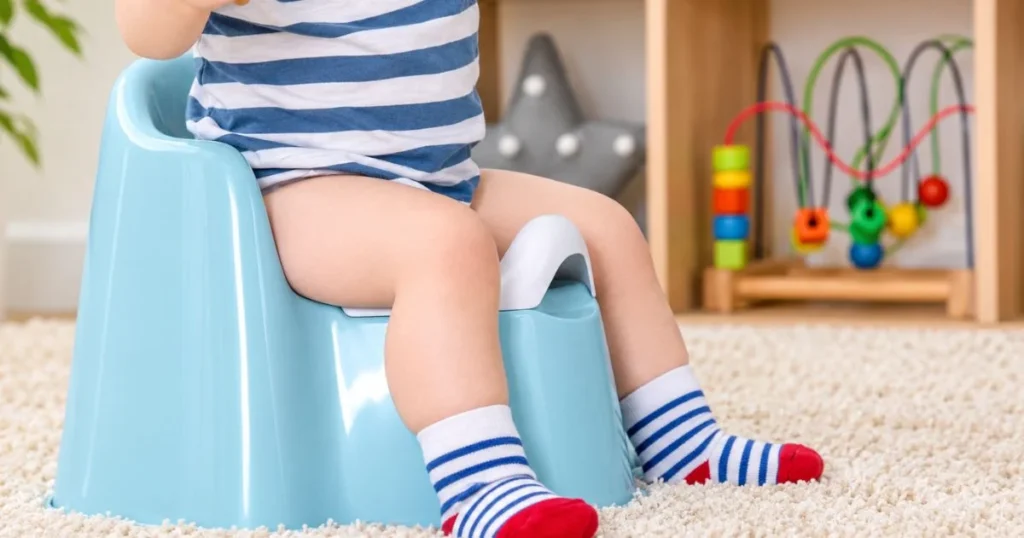
- Child-sized potty: An option if your child feels uncomfortable using a full-sized toilet.
- Toilet seat reducer: Helps provide a more secure sitting position.
- Footstool: Allows your child’s feet to rest on a stable surface.
- Grab rails: May provide additional support when needed.
A comfortable sitting position matters, especially when your child is learning to have bowel movements in the toilet.
Introduce Underwear Gradually
When exploring potty training tips for autism, consider your child’s comfort and sensory preferences when deciding whether to introduce underwear.
Some children respond well to switching from diapers to underwear because they become more aware of wetness.
However, an immediate transition is not necessary for every child.
You can introduce underwear gradually, allow your child to choose a favorite design, or continue using pull-ups while practicing specific bathroom skills.
Pay attention to your child’s sensory preferences and comfort rather than following a rigid rule.
Visual Communication and Priming Before Potty Training
One of the most helpful potty training tips for autism is to show your child what will happen before expecting them to complete the bathroom routine independently.
Visual supports can make unfamiliar activities easier to understand, especially when spoken instructions are difficult for your child to process.
Create a Visual Potty Training Schedule
A visual schedule is one of the most practical potty training tips for autism because it breaks the bathroom routine into simple, understandable steps.
You can use photographs, drawings, or picture cards to help your child understand what comes next.
For example:
- Go to the bathroom.
- Pull down pants.
- Sit on the toilet.
- Pee or poop if needed.
- Wipe with assistance when necessary.
- Pull up pants.
- Flush.
- Wash hands.
Place the pictures somewhere your child can easily see them.
You can point to each picture as you move through the routine, making these visual supports one of the most helpful potty training tips for autism. Gradually, encourage your child to follow the sequence more independently as they become familiar with each step.
Use Picture Cards and Alternative Communication
If your child has limited spoken language, providing a simple way to communicate bathroom needs is one of the most important potty training tips for autism.
You could introduce:
- A picture card showing a toilet.
- A gesture or sign for bathroom.
- A visual choice between pee and poop.
- An AAC device with a bathroom symbol.
- A communication board with familiar bathroom words.
Use the same communication method consistently at home and in other settings. This helps your child understand how to express their needs and communicate when they are ready to use the toilet.
Use Social Stories and Behavior Modeling
Using social stories is another helpful potty training tips for autism strategy. A social story can explain what happens during a bathroom visit through simple pictures and easy-to-understand sentences.
For example:
“When I need to pee, I go to the bathroom. I sit on the toilet. When I finish, I wash my hands.”
You can also demonstrate individual steps when appropriate. Some children learn by watching, while others benefit from photographs or simple demonstrations.
Avoid expecting your child to copy the entire routine immediately. Instead, introduce one activity at a time and allow your child to become comfortable with each step.
Encourage Independence Through Choices
Offering small choices is one of the practical potty training tips for autism that can help your child feel more comfortable and involved in the process.
For example, ask whether they would prefer their blue or green underwear, or let them choose between two familiar toilet books.
You can also encourage your child to participate in selecting their bathroom supplies.
These small decisions give your child a sense of control and encourage independence without making toilet use feel like a battle.
Potty Training Tips for Autism: 12 Practical Strategies That Can Help
Once you have prepared the environment and introduced the bathroom routine, you can begin working on individual toilet skills.
The following potty training tips for autism can help you build on this foundation and create a more predictable, comfortable, and supportive learning experience for your child.
1. Establish a Predictable Bathroom Routine
Consistency is one of the most effective potty training tips for autism because it helps your child understand what to expect and become familiar with the bathroom routine.
Offer bathroom opportunities at familiar times, such as:
- After waking up.
- After breakfast.
- Before leaving home.
- After lunch, if appropriate.
- Before bedtime.
You can adjust these opportunities according to your child’s natural bathroom patterns and individual needs.
2. Use Scheduled Toilet Trips (Trip Training)
One of the practical potty training tips for autism is trip training, which involves offering bathroom visits according to your child’s individual schedule.
For example, if you notice that your child usually urinates shortly after breakfast, you can offer a bathroom opportunity around that time.
The goal is to help your child become familiar with using the toilet and gradually recognize when they need to go.
Avoid keeping your child on the toilet for long periods or taking them so frequently that bathroom visits become stressful.
3. Observe Your Child’s Natural Bathroom Patterns
Observing your child’s natural bathroom patterns is another useful approach when applying potty training tips for autism.
Spend a few days noticing when your child usually urinates or has bowel movements.
Look for patterns such as:
- Going to a quiet corner before pooping.
- Becoming restless before urinating.
- Having bowel movements at similar times each day.
- Staying dry for predictable periods.
A simple diary can help you identify useful bathroom opportunities and create a routine that better matches your child’s needs.
4. Use Visual Schedules and Picture Cards
Keeping visual reminders accessible is another helpful potty training tips for autism strategy.
A visual reminder can help your child understand when it is time to go to the bathroom and what happens next.
You can also remove or cover each picture as the corresponding step is completed. This makes the routine easier to follow and helps your child gradually develop independence.
5. Make the Bathroom Sensory-Friendly
Considering your child’s sensory needs is one of the most important potty training tips for autism because certain bathroom sensations may make toilet use uncomfortable or overwhelming.
Think about the bathroom from your child’s perspective.
Does the toilet flush too loudly? Is the lighting uncomfortable? Does the soap have a strong smell?
Small adjustments can make a meaningful difference.
For example, you might flush after your child leaves the bathroom or replace a strongly scented product with an unscented alternative. These changes can help create a more comfortable and less stressful bathroom environment.
6. Use Simple Language and Communication Cues
Using consistent, simple language is another helpful potty training tips for autism approach. Repeat the same short words whenever you introduce a bathroom activity so your child can become familiar with each instruction.
Instead of giving several instructions at once, try:
- “Bathroom time.”
- “Pants down.”
- “Sit on the toilet.”
- “Wash hands.”
Allow your child enough time to process what you have said before moving to the next step.
If spoken instructions are difficult for your child, pair them with pictures or gestures to make each activity easier to understand.
7. Introduce the Toilet Gradually
If your child is uncomfortable sitting on the toilet, taking a gradual approach is one of the most helpful potty training tips for autism.
You might begin by entering the bathroom together, looking at the toilet, or practicing sitting fully clothed.
Once your child feels more comfortable, gradually introduce the next step at their own pace.
There is no need to rush. Allowing your child time to adjust can help reduce anxiety and build positive associations with the bathroom.
8. Encourage Your Child With Positive Reinforcement
Positive reinforcement is one of the most helpful potty training tips for autism because it helps your child understand which actions are being encouraged.
You might use:
- Verbal praise.
- Favorite stickers.
- A small toy.
- A preferred activity.
- A visual progress chart.
Not every child enjoys the same rewards. Some children prefer quiet encouragement, while others respond positively to a favorite activity.
Recognize small efforts, such as entering the bathroom, sitting comfortably, or communicating a need, rather than praising only successful urination.
9. Teach One Bathroom Skill at a Time
One of the most effective potty training tips for autism is to break toilet training into smaller, manageable activities that your child can practice separately.
Your child might learn to sit on the toilet before learning to manage clothing independently.
Break the routine into smaller tasks:
- Entering the bathroom.
- Pulling down clothing.
- Sitting safely.
- Using the toilet.
- Wiping.
- Getting dressed.
- Washing hands.
Give your child plenty of opportunities to practice the steps they can already manage before gradually introducing new ones.
10. Choose Comfortable and Easy-to-Remove Clothing
Choosing easy-to-remove clothing is one of the practical potty training tips for autism that can make bathroom routines easier for your child.
Consider:
- Elastic-waist pants.
- Loose-fitting shorts.
- Comfortable underwear.
- Clothes without complicated buttons or zippers.
Encourage your child to practice pulling clothing up and down when they are relaxed, so they can gradually become more comfortable managing this step independently.
11. Coordinate With Teachers and Caregivers
One of the helpful potty training tips for autism is to maintain a consistent bathroom routine at home, preschool, daycare, and other settings where your child receives support.
If your child attends preschool, daycare, or receives additional support, communicate with the people involved in their care.
Share the bathroom words, visual schedule, and strategies that work at home.
Using the same approach across different environments can make it easier for your child to understand the routine and feel more comfortable with each step.
12. Celebrate Small Improvements and Stay Consistent
One of the most important potty training tips for autism is to remember that progress takes time and may not happen in a straight line.
Your child might use the toilet successfully one day and have several accidents the next.
Instead of focusing only on the outcome, recognize each new skill.
Learning to enter the bathroom comfortably, communicate a need, or sit on the toilet without becoming upset are all meaningful improvements worth celebrating.
How to Use Trip Training Techniques for Autism
One of the useful potty training tips for autism is to try scheduled toilet trips rather than relying entirely on your child to recognize and communicate the need to go.
Trip training is a structured approach in which you offer regular bathroom opportunities throughout the day.
It can be particularly helpful when your child has difficulty noticing internal body signals or communicating when they need to use the toilet.
What Is Trip Training?
As part of potty training tips for autism, trip training involves identifying appropriate bathroom times and gently reminding your child to visit the toilet.
For example, if your child usually urinates after breakfast, you might offer a bathroom visit around that time.
Build the schedule around your child’s natural bathroom patterns rather than following an arbitrary interval.
How to Create an Individualized Toilet Schedule
One of the practical potty training tips for autism is to understand your child’s natural bathroom patterns before creating a trip-training schedule.
For several days, keep a simple record of:
- When your child wakes up.
- When they urinate.
- When they have bowel movements.
- When accidents occur.
- How long they generally stay dry.
Use these observations to identify suitable bathroom opportunities.
Also consider your child’s daily activities, comfort, and access to the bathroom when planning a routine.
How to Gradually Increase Independence
An important part of potty training tips for autism is gradually helping your child communicate when they need to use the toilet rather than relying entirely on scheduled reminders.
For example:
- Introduce a picture or gesture your child can use to ask to go to the toilet.
- Encourage your child to use it before scheduled bathroom visits.
- Respond positively whenever your child communicates a need.
- Gradually reduce reminders as your child begins initiating bathroom visits independently.
Some children may continue to need reminders, and that is perfectly acceptable.
The goal is to build the highest level of independence your child can comfortably achieve.
How to Track Progress During Trip Training
A simple table can help you identify what is working.
| Time | Bathroom opportunity | Result | Observation |
| Morning | After waking | Successful | Followed picture cue |
| Mid-morning | Based on observed pattern | No urine | Sat comfortably |
| Afternoon | After lunch | Accident | Review timing |
| Evening | Before bedtime | Successful | Followed routine |
You don’t need complicated charts or detailed measurements. A few observations can help you make more informed decisions.
Positive Reinforcement and Managing Accidents
An important part of potty training tips for autism is combining encouragement and consistency with a safe, supportive environment where your child feels comfortable, even when things don’t go as planned.
How to Use Positive Reinforcement
One of the effective potty training tips for autism is using positive reinforcement to acknowledge your child’s efforts and encourage them to repeat helpful behaviors.
For example, if your child uses a picture card to communicate that they need the bathroom, respond positively.
You might say, “You told me bathroom. Great job!”
Other options include:
- A sticker after a successful toilet attempt.
- A favorite book after completing the bathroom routine.
- A small toy for practicing a new skill.
- A preferred activity after washing hands.
Keep rewards appropriate and individualized to your child’s preferences. Never withhold essential food, drinks, comfort, or affection.
How to Respond to Potty Training Accidents
One of the most important potty training tips for autism is responding calmly and supportively when accidents happen. Your reaction can help your child feel safe and comfortable trying again.
If an accident happens:
- Stay calm and avoid showing frustration.
- Help your child change into clean clothes.
- Use simple, neutral language.
- Gently remind them where the toilet is.
- Return to the regular bathroom routine.
Avoid punishment, shouting, embarrassment, or making your child feel ashamed. Accidents are a normal part of learning, not a sign of failure.
How to Recognize Progress and Adjust Your Approach
When potty training tips for autism don’t seem to be working, take a step back and consider whether your current approach needs adjustment.
Ask yourself:
- Is the bathroom comfortable?
- Does my child understand the visual routine?
- Are bathroom visits happening at suitable times?
- Is constipation affecting toilet use?
- Are my expectations appropriate for my child’s current abilities?
Sometimes, a small adjustment to the routine or environment can make toilet training much easier for your child.
Common Potty Training Problems and How to Handle Them
Even when following effective potty training tips for autism, you may encounter challenges along the way. Understanding what might be causing these difficulties can help you adjust your approach and support your child more effectively.
What If Your Autistic Child Refuses to Sit on the Toilet?
When applying potty training tips for autism, first try to understand why your child refuses to sit on the toilet.
Your child may dislike the toilet’s height, feel unstable, fear falling, or find the bathroom overwhelming.
Consider using a toilet seat reducer and footstool to make sitting more comfortable. You can also practice sitting fully clothed before gradually introducing the next step.
Avoid forcing your child to remain seated.
What If Your Child Is Afraid of Flushing?
Some potty training tips for autism focus on reducing sensory discomfort, especially when your child finds the flushing sound overwhelming.
You can:
- Flush after your child leaves the bathroom.
- Explain the sound using pictures.
- Allow your child to stand farther away.
- Introduce flushing gradually if they feel comfortable.
Remember, there is no need to make flushing an early requirement for successful toilet use. Your child’s comfort should come first.
What If Your Child Holds Their Poop?
When following potty training tips for autism, pay particular attention to stool withholding because constipation can make bowel movements painful and increase your child’s reluctance to use the toilet.
Your child may avoid pooping in the toilet because they fear discomfort or unfamiliar sensations.
Speak with your pediatrician if your child regularly holds their stool or has painful bowel movements.
Once medical concerns have been addressed, you can gradually introduce the bathroom as part of your child’s bowel movement routine.
What If Your Child Has Frequent Accidents?
One of the practical potty training tips for autism is to review your child’s bathroom diary regularly and look for patterns that might explain frequent accidents.
Perhaps your child needs more predictable bathroom opportunities, finds it difficult to communicate a need, or becomes distracted during play.
Make sure the bathroom is easy to access and clothing can be removed quickly.
Remember that frequent accidents may also have medical causes, so discuss persistent or sudden changes with your child’s healthcare provider.
What If Your Child Uses the Toilet Only at Home?
One of the helpful potty training tips for autism is to gradually introduce your child to unfamiliar bathrooms without creating pressure to use them immediately.
An unfamiliar bathroom may have different sounds, smells, lighting, and equipment.
Start by visiting another bathroom without expecting your child to use it right away.
Bring familiar visual cards or other appropriate comfort items and follow the same bathroom sequence you use at home.
As your child becomes more comfortable, gradually introduce bathroom visits in other familiar environments.
What If Your Child Uses the Toilet for Pee but Not Poop?
With potty training tips for autism, remember that urination and bowel movements may develop as separate skills.
Your child may feel comfortable peeing in the toilet but still prefer a diaper for bowel movements.
Avoid treating this as a failure. Instead, consider possible constipation, fear, or sensory preferences, and discuss persistent difficulties with your pediatrician.
Daytime vs. Nighttime Potty Training for Autistic Children
An important part of potty training tips for autism is understanding that daytime toilet learning and nighttime dryness are two different skills. Your child can make progress with daytime toilet use without being expected to stay dry throughout the night.
How to Approach Daytime Toilet Training
One of the most practical potty training tips for autism is to focus on building a predictable and consistent bathroom routine.
Offer bathroom opportunities at appropriate times, encourage your child to communicate their needs, and help them practice individual bathroom skills.
When leaving home, keep spare clothing available so accidents can be handled calmly without making the experience stressful.
Signs of Nighttime Toilet Training Readiness
When applying potty training tips for autism, look for possible signs that your child may be becoming ready for nighttime toilet learning.
Some possible signs include:
- Frequently waking up with a dry diaper.
- Remaining dry for longer periods overnight.
- Showing consistent daytime toilet progress.
However, nighttime dryness also depends on bladder development and nighttime urine production, so these signs do not guarantee that your child is ready to stay dry overnight.
Should You Continue Using Pull-Ups at Night?
One of the reassuring potty training tips for autism is to remember that your child can continue using a diaper or pull-up overnight if needed.
Using nighttime protection does not undo daytime toilet-training progress.
You can monitor nighttime dryness and discuss any persistent concerns with your child’s pediatrician without putting unnecessary pressure on your child.
When to Seek Professional Help
Sometimes toilet training difficulties are related to medical or developmental concerns that require additional support.
Seeking help does not mean you have failed. It means you are making sure your child receives the support they need.
Medical Signs That Need Attention
Contact your child’s healthcare provider if you notice:
- Persistent constipation.
- Painful bowel movements.
- Blood in the stool or urine.
- Pain or difficulty urinating.
- Repeated urinary tract infections.
- Significant stool withholding.
- Sudden changes in previously established toilet habits.
Seek prompt medical attention for severe abdominal pain, vomiting with abdominal swelling, or other concerning acute symptoms.
How Occupational Therapists Can Help
An occupational therapist may help your child with:
- Sensory sensitivities.
- Sitting position and balance.
- Clothing management.
- Bathroom transitions.
- Developing daily living skills.
They can also suggest practical adjustments to make the bathroom more comfortable.
How Speech-Language Pathologists Can Support Communication
If your child has difficulty communicating bathroom needs, a speech-language pathologist may help introduce suitable communication methods.
These could include:
- Picture cards.
- Gestures and signs.
- Communication boards.
- Augmentative and alternative communication (AAC) devices.
The goal is to give your child a reliable way to communicate, whether or not they use spoken language.
How Behavioral Specialists Can Help
A qualified behavioral specialist can help develop an individualized toilet-learning plan.
Some plans use principles such as:
- Breaking activities into smaller steps.
- Positive reinforcement.
- Visual schedules.
- Scheduled bathroom opportunities.
- Tracking progress and adjusting strategies.
If you are considering ABA-based toilet training, discuss the proposed approach with qualified professionals. Ask how they will protect your child’s comfort, dignity, communication, and physical needs.
Working With Your Child’s Pediatrician
Your pediatrician can assess constipation, urinary problems, and other medical concerns while helping you decide whether additional professional support is appropriate.
Working together with your child’s healthcare team, teachers, and caregivers can make the learning process more consistent.
Frequently Asked Questions About Potty Training Tips for Autism
What Are the Best Potty Training Tips for Autism?
Start with your child’s individual needs. Create a predictable bathroom routine, use visual schedules, make the bathroom sensory-friendly, and introduce toilet skills gradually. Positive reinforcement and consistent communication can also help. The most useful approach is one that respects your child’s comfort and developmental abilities.
At What Age Should You Start Potty Training an Autistic Child?
There is no single age that works for every autistic child. Readiness depends on physical development, communication, sensory preferences, and individual abilities. You can begin preparing your child by introducing bathroom vocabulary, pictures, and familiar routines before expecting independent toilet use.
How Do You Potty Train a Nonverbal Autistic Child?
You can use picture cards, gestures, signs, visual schedules, or an AAC device to help your child communicate bathroom needs. Observe their natural bathroom patterns and offer predictable opportunities. Your child does not need to speak to learn toilet skills or communicate that they need to use the bathroom.
How Often Should You Take an Autistic Child to the Potty?
Bathroom timing should depend on your child’s individual patterns. Observe when they usually urinate or have bowel movements and offer appropriate opportunities around those times. Avoid a rigid schedule that results in excessive or stressful bathroom visits.
What Is Trip Training for Autism?
Trip training is a toilet-learning approach that involves taking your child to the bathroom at planned times throughout the day. It can help children who have difficulty recognizing or communicating bladder signals. Over time, you can encourage independent communication and gradually adjust the schedule.
How Long Does Potty Training Take for an Autistic Child?
The timeline varies considerably. Some children learn within a few months, while others need a year or longer. Communication, sensory needs, medical concerns, and developmental abilities can all influence progress. Focus on building skills rather than meeting a particular deadline.
Why Does My Autistic Child Refuse to Use the Toilet?
Possible reasons include sensory discomfort, fear of flushing, difficulty understanding the routine, communication differences, constipation, or an uncomfortable sitting position. Try identifying the specific difficulty before changing your approach. Persistent refusal accompanied by pain or stool withholding should be discussed with a pediatrician.
Should You Use Rewards When Potty Training an Autistic Child?
Rewards can encourage some children, but they are not necessary for everyone. You can use stickers, favorite activities, toys, or simple praise if your child enjoys them. Focus on recognizing effort and progress without using punishment or withholding basic needs.
What Should You Do If Your Autistic Child Holds Their Poop?
First, consider constipation or painful bowel movements and discuss persistent stool withholding with your child’s pediatrician. Once medical concerns are addressed, introduce bowel movements in the bathroom gradually. Avoid forcing your child to sit or withholding a diaper suddenly if this creates distress.
Conclusion: Every Small Step Matters
Potty training your autistic child may not follow the timeline or approach you originally imagined, and that’s okay.
Some children need more time to become comfortable with the toilet. Others benefit from visual schedules, predictable bathroom visits, or additional communication support. You may also find that a strategy that works well for one child does not work for yours.
The most important part of potty training tips for autism is understanding your child’s individual needs and building a routine that feels safe and manageable.
Keep these essential strategies in mind:
- Start with your child’s individual abilities and readiness.
- Create a predictable bathroom routine.
- Make the bathroom comfortable and sensory-friendly.
- Use visual supports and accessible communication.
- Introduce new skills one step at a time.
- Celebrate small improvements.
- Seek professional support when medical or developmental concerns arise.
Your child does not need to master everything at once. Every attempt, every new communication skill, and every little improvement deserves recognition.
Progress is not about how quickly your child learns. It’s about helping them feel safe, supported, and confident at every step.
At Parenting Whisper, we believe parenting is about progress, not perfection. Be patient with your child, trust the learning process, and remember to be kind to yourself along the way.
A little reminder for parents
What works for your child may be different from what works for another family. If you have discovered a helpful way to make bathroom routines easier, share your experience in the comments. Your advice might help another parent feel less alone.
References and Further Reading
For additional information and professional guidance, explore these resources:
- American Academy of Pediatrics – Potty Training Children with Special Needs
- National Autistic Society – Toileting: A Guide for Parents and Carers
- Michigan Medicine – Toilet Training Tips for Autism Spectrum Disorder
- Autism Ontario – Toileting Guide
- Cleveland Clinic – Toilet Training in Children with Autism Spectrum Disorder
- CDC – Autism Spectrum Disorder-Specific Anticipatory Guidance
This article provides general educational information and is not a substitute for individualized medical advice. Consult your child’s healthcare provider about persistent toileting difficulties or medical concerns.