
How to Potty Train a Toddler Who Refuses the Toilet
Discover essential potty training tools, signs of readiness, toilet setup, consistent routines, and positive encouragement for young children.
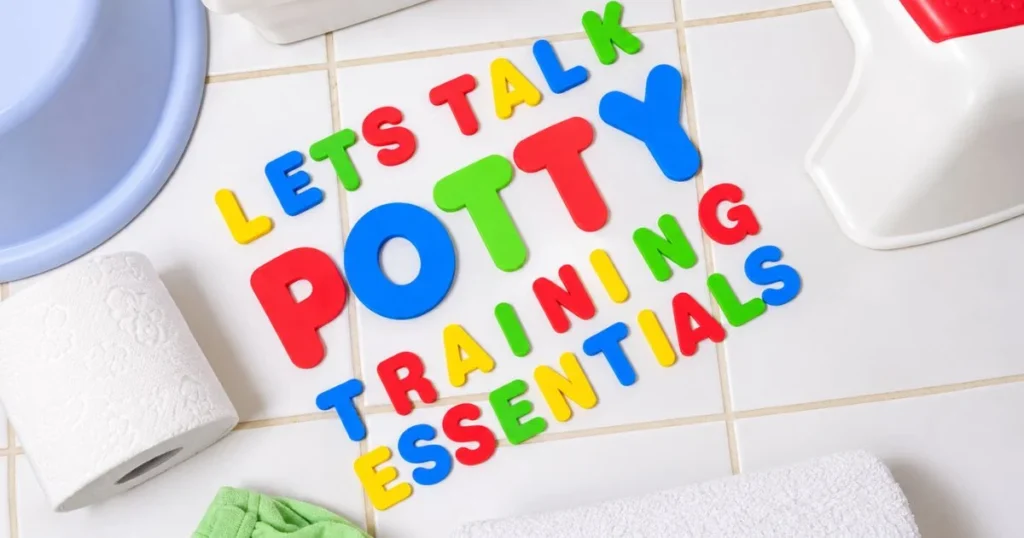
Discover essential potty training tools, signs of readiness, toilet setup, consistent routines, and positive encouragement for young children.
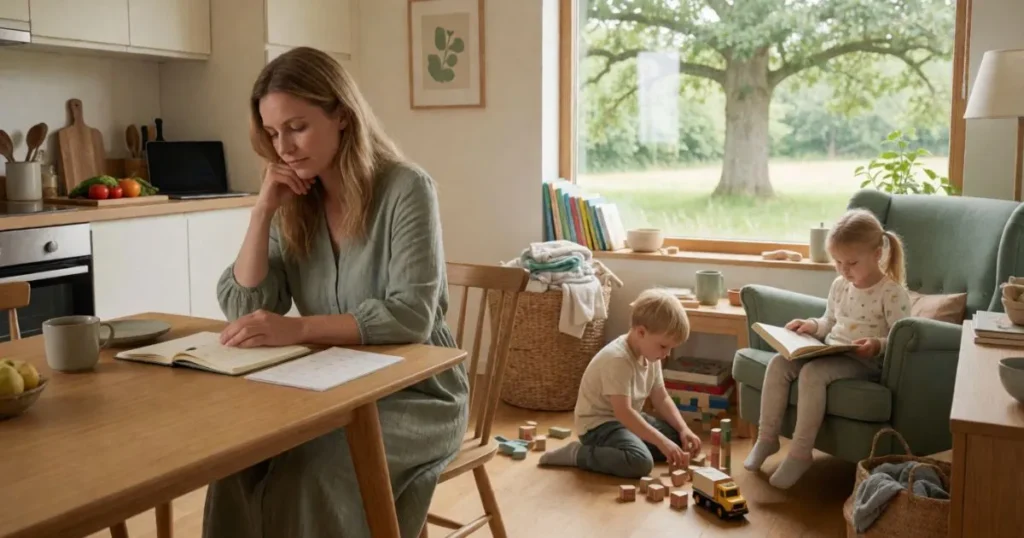
Parenting is often described as a full-time job, but that description barely scratches the surface. The hardest part isn’t always the diaper changes, the school runs, or the endless piles of laundry. The mental load is the ongoing mental effort of planning, organizing, remembering, and anticipating the countless tasks that keep daily life running smoothly.
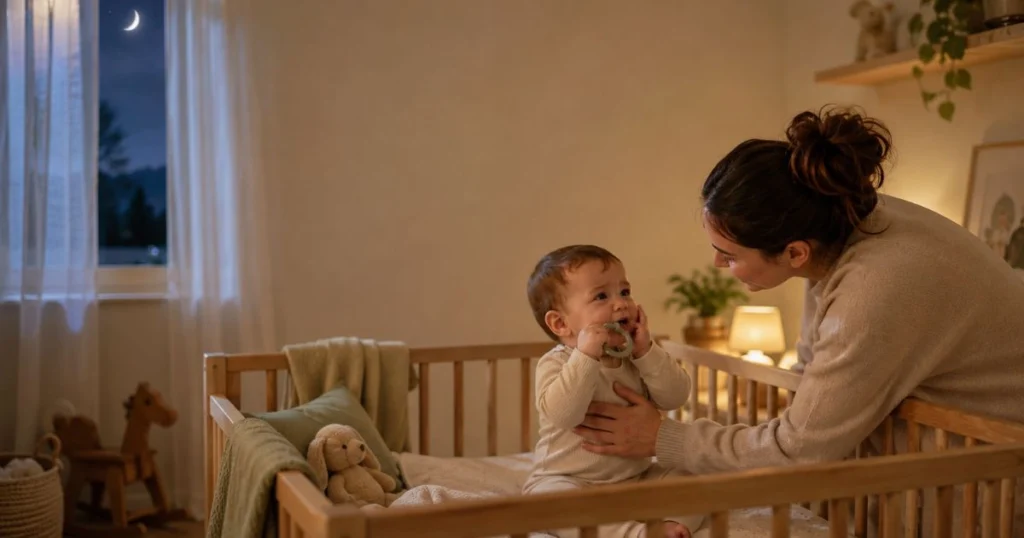
Sleep regression vs. teething is one of the biggest reasons babies suddenly start waking at night again. Just when your little one’s sleep seems to be improving, the night wakings return, bedtime becomes a struggle, and naps grow unpredictable. One night your baby wakes crying. The next night they refuse to settle at bedtime. Naturally,

Discover how parenting styles influence your child’s confidence, behavior, emotional well-being, and future relationships—and learn practical ways to build a stronger parent-child connection. Every Parent Wonders If They’re Getting It Right Your toddler has just tossed their spoon across the kitchen—for the second time today. Your preschooler refuses to put on their shoes. Your teenager
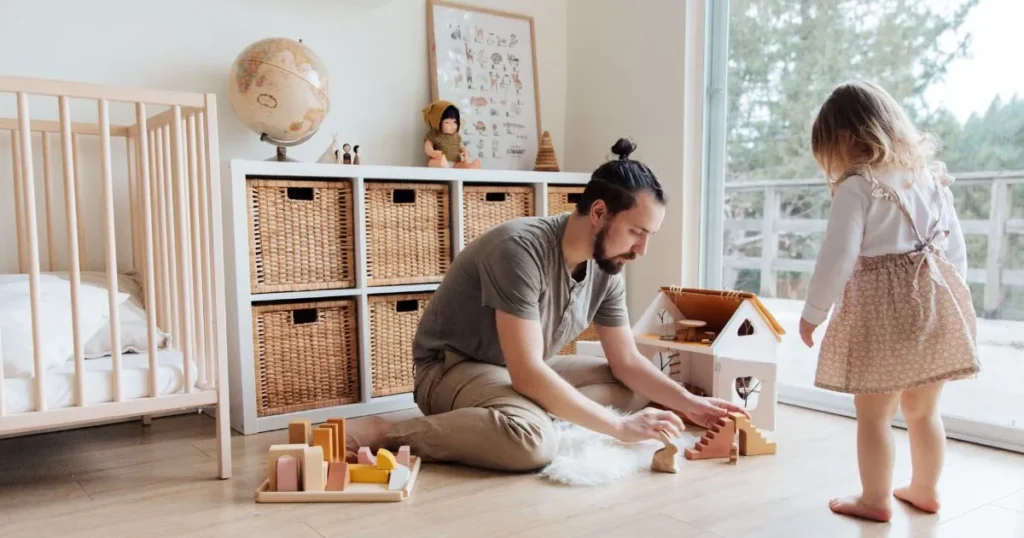
Discover how positive parenting helps you build a stronger relationship with your child through connection, respect, and guidance—not fear or punishment. Learn practical, research-backed strategies you can use every day to encourage confidence, responsibility, and emotional well-being. Every parent experiences times when they wish they had responded in a different way: Your toddler is crying

Parenting styles have a lasting impact on how children grow, learn, and build relationships. If you’ve been researching modern parenting approaches, you’ve likely come across gentle parenting and authoritative parenting. While these two styles share many similarities, they also have important differences that can influence your daily interactions with your child. So, which approach is