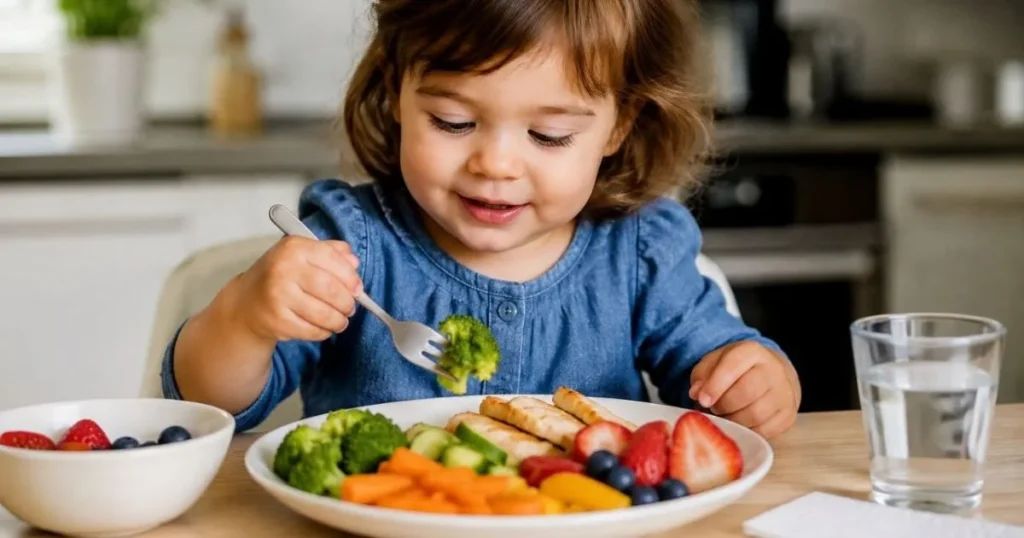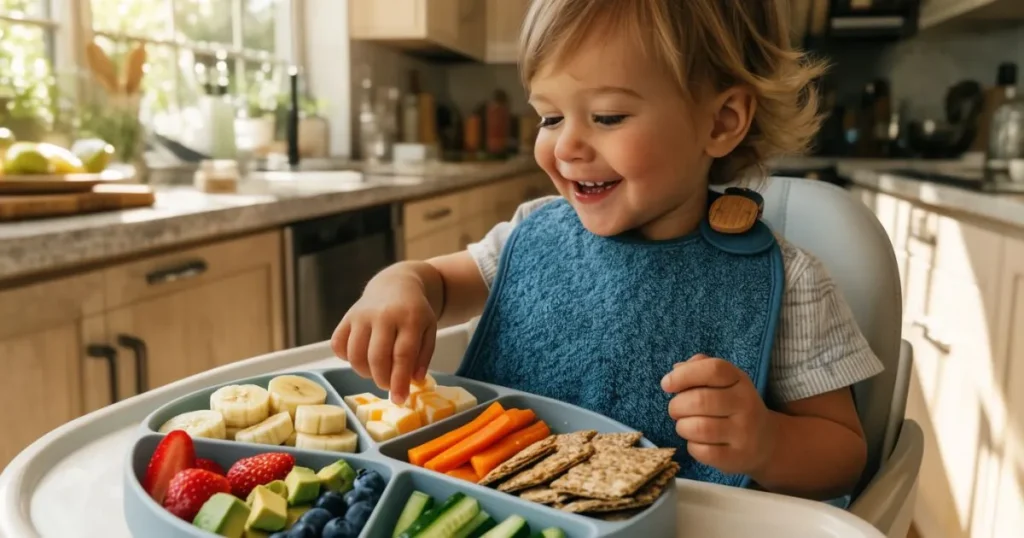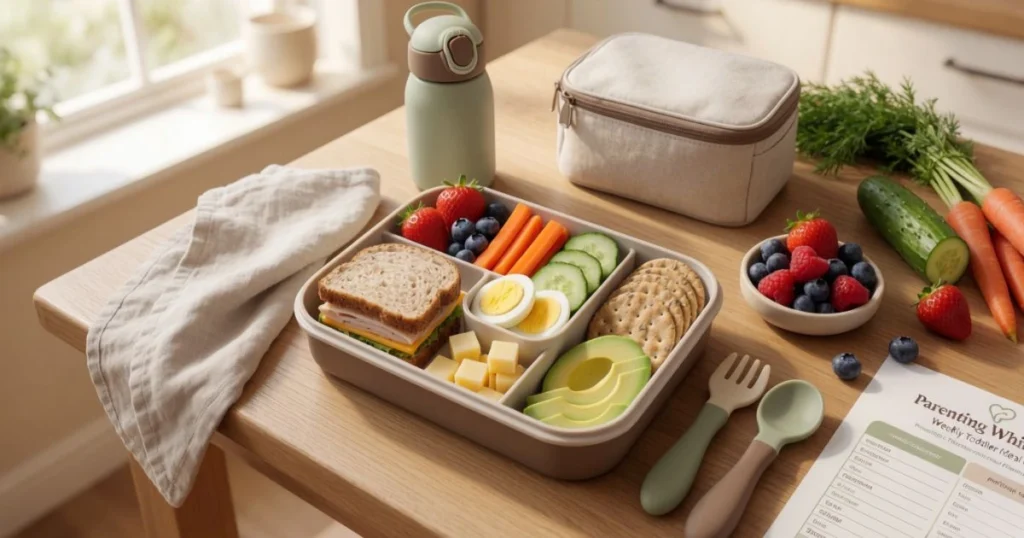
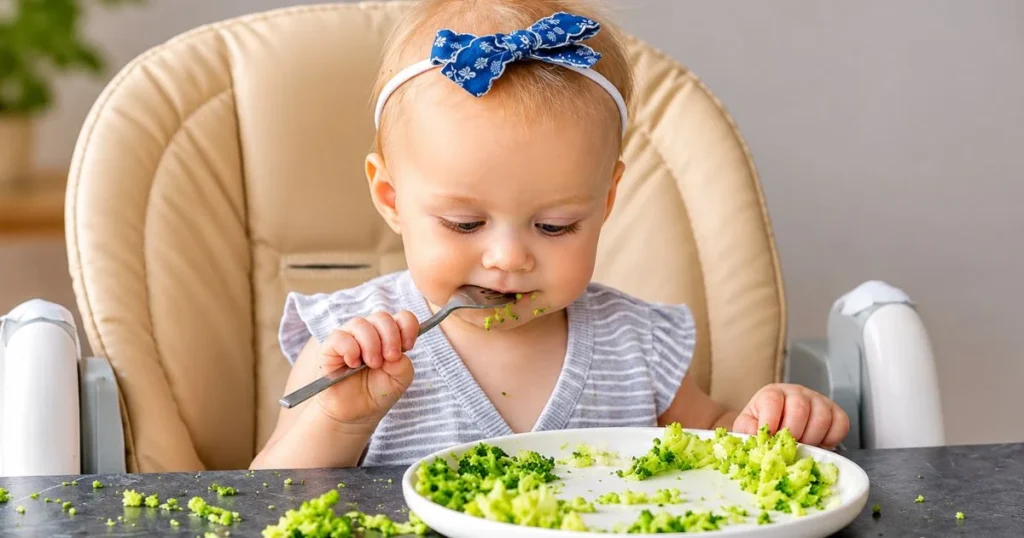
Watching your baby reach for a piece of food, explore its texture, and take that first little bite is an exciting milestone. But when you’re introducing solid foods, excitement often comes with questions. Is your baby ready? Which foods are safe? What if your little one gags or chokes?
If you’re considering baby led weaning, you’re probably looking for a way to introduce solids that encourages independence while keeping your baby safe. The good news is that getting started with baby led weaning doesn’t require complicated recipes or expensive feeding equipment. What matters most is understanding your baby’s developmental readiness, preparing foods appropriately, and creating a calm environment where your little one can learn.
Baby led weaning allows your baby to explore appropriately prepared foods and practise self-feeding rather than relying entirely on spoon-fed purées. In this guide, you’ll discover when to start baby led weaning, which first foods to offer, how to prepare easy meals, and what you need to know about choking prevention and nutrition.
Let’s explore how you can make your baby’s first food experiences safe, enjoyable, and stress-free.
What Is Baby Led Weaning (BLW)?
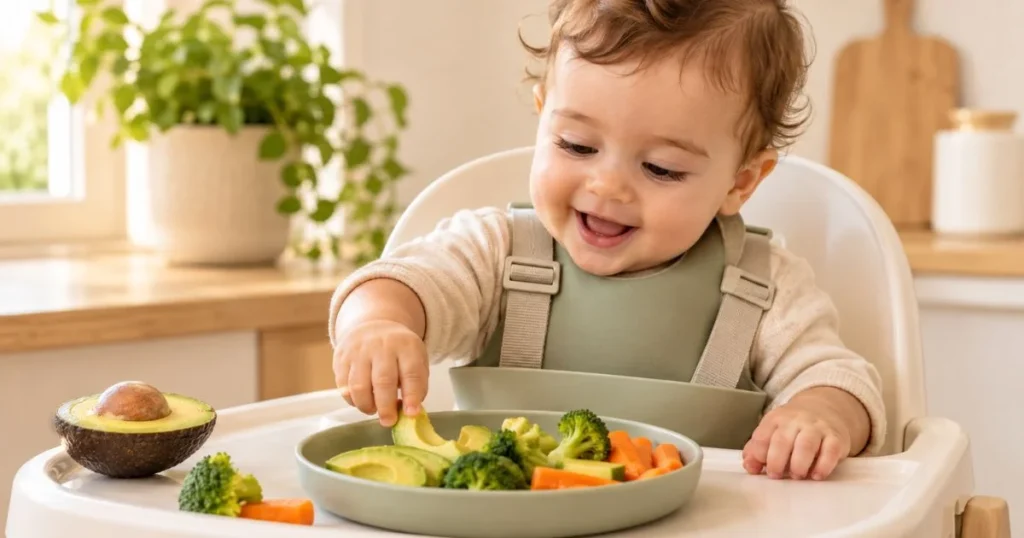
Baby led weaning (BLW) is an approach to introducing complementary foods that encourages babies to feed themselves from the beginning. Instead of relying primarily on spoon-fed purées, baby led weaning involves offering appropriately prepared foods that your baby can pick up, explore, and bring to their mouth.
The term is associated with Gill Rapley, a British health visitor and author who helped popularize the approach. It’s important to understand that the British use of weaning generally means introducing complementary foods, rather than completely stopping breastfeeding. In other words, baby led weaning focuses on helping your little one develop independent eating skills while continuing breast milk or infant formula.
Understanding the Baby-Led Feeding Approach
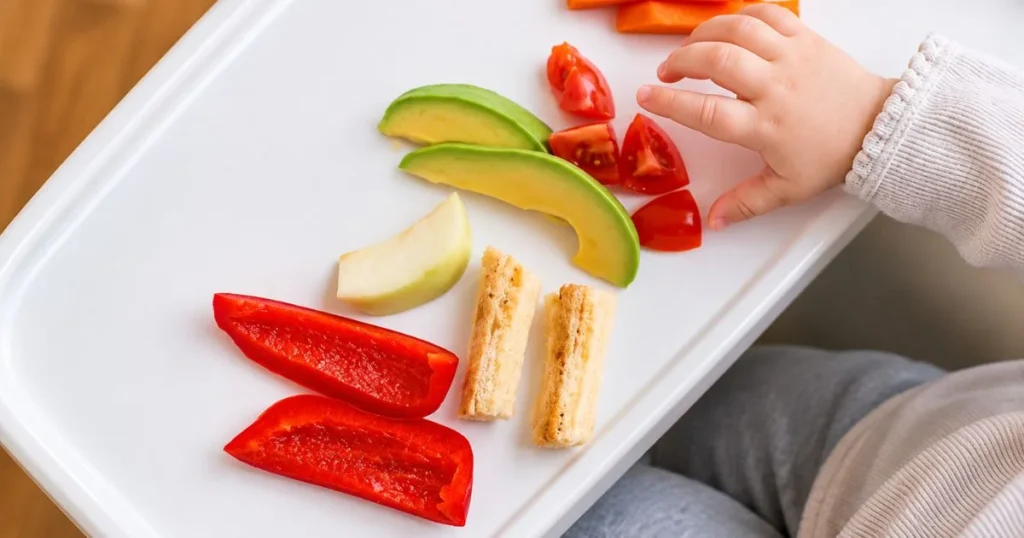
With baby-led feeding, your baby becomes an active participant during mealtimes. You offer nutritious foods in suitable textures and shapes, while your little one decides whether to explore or eat them.
For example, you might offer:
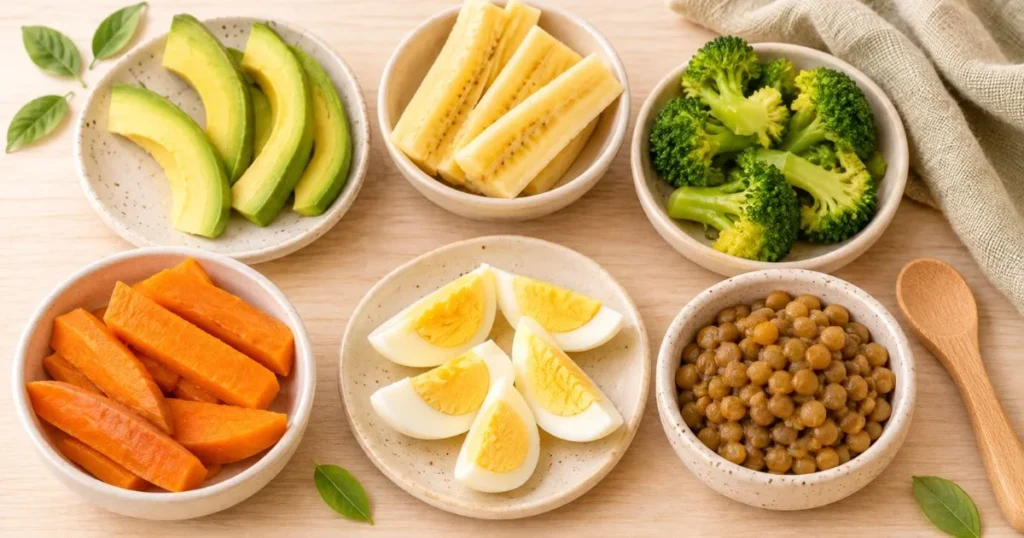
- Soft avocado pieces.
- Steamed sweet potato wedges.
- Ripe banana.
- Well-cooked broccoli florets.
- Soft, appropriately prepared egg.
Your baby can touch, smell, squeeze, taste, and gradually learn to manage different foods.
For more inspiration, explore our guide to [baby finger foods] for simple ideas you can prepare according to your baby’s developmental stage.
The Philosophy Behind Baby Led Weaning
One helpful concept is the Division of Responsibility in Feeding, developed by feeding expert Ellyn Satter.
The approach encourages parents to decide:
- What: Which nutritious foods are offered.
- When: When meals and snacks are served.
- Where: Where eating takes place.
Your baby decides whether to eat and how much to eat from the foods provided.
This approach supports responsive feeding, which means recognizing your baby’s hunger and fullness signals instead of pressuring them to finish a meal.
Baby Led Weaning vs. Traditional Spoon-Feeding
Both approaches can introduce nutritious foods. The main difference is how your baby participates in eating.
| Feature | Baby-Led Weaning | Traditional Spoon-Feeding |
| Feeding method | Baby self-feeds | Caregiver offers food |
| Initial textures | Soft finger foods | Often smooth purées |
| Baby participation | Active exploration | Caregiver guides feeding |
| Independence | Practised from the beginning | Develops gradually |
| Flexibility | Can include preloaded spoons | Can include finger foods |
You don’t have to choose one method exclusively. Combining finger foods, mashed foods, and preloaded spoons can work well when you follow your baby’s abilities and hunger cues.
When to Start Baby Led Weaning
Choosing the right time is one of the most important parts of introducing solid foods. Your baby needs more than an interest in what you’re eating; they also need the developmental skills required to manage food.
What Is the Best Age to Start?
Most babies are ready to begin complementary feeding at around 6 months of age. Introducing solid foods before 4 months is not recommended.
According to the CDC and American Academy of Pediatrics, developmental readiness is just as important as age.
Breast milk or infant formula remains an important part of your baby’s nutrition during the first year, but complementary foods become increasingly important for providing nutrients such as iron.
Signs Your Baby Is Developmentally Ready
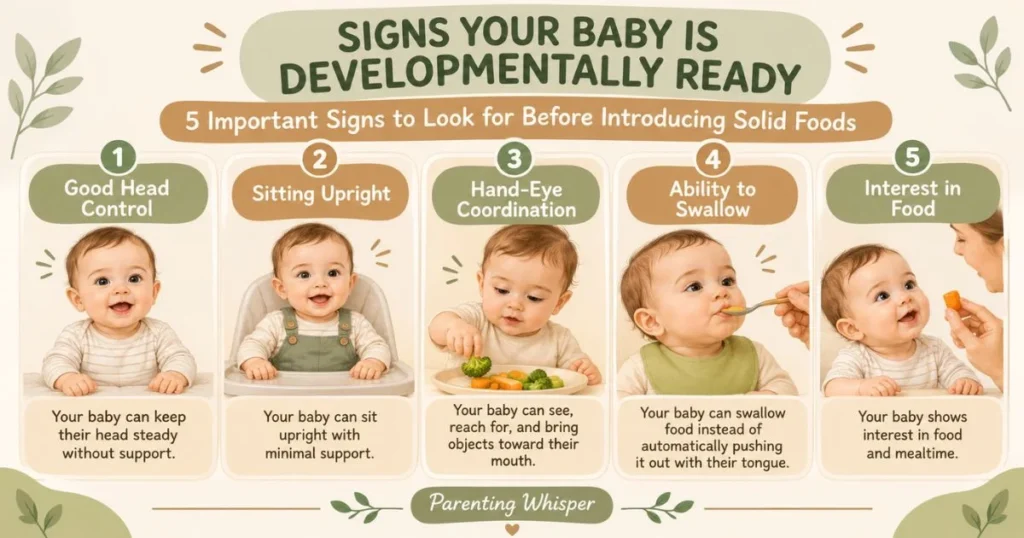
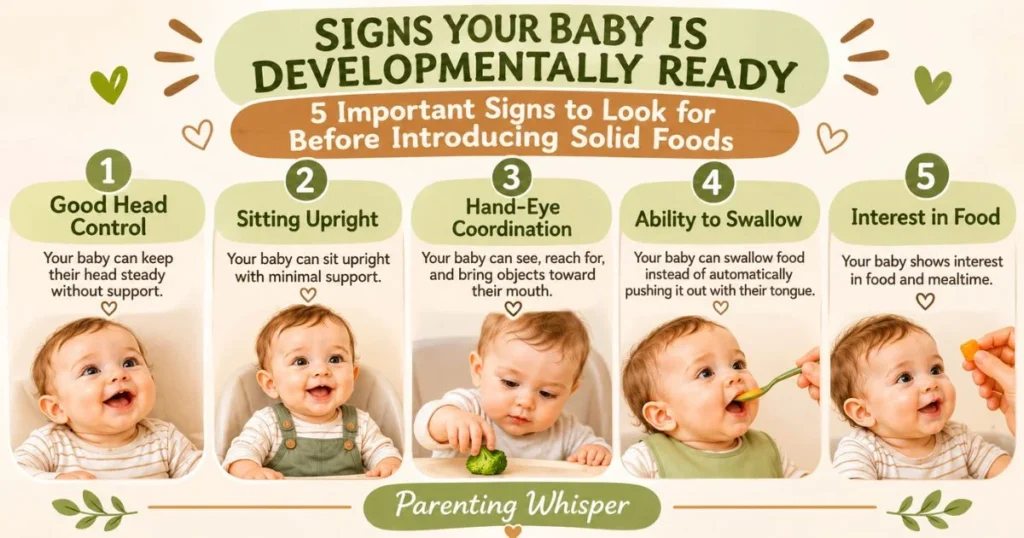
Before starting baby led weaning, look for these signs:
- Good head and neck control: Your baby can hold their head steady.
- Upright sitting ability: Your baby can sit independently or with appropriate support while maintaining a stable position.
- Hand-eye-mouth coordination: Your baby can look at food, reach for it, pick it up, and bring it toward their mouth.
- Ability to swallow food: Your baby can move food toward the back of their mouth and swallow rather than consistently pushing it out.
- Interest in food: Your baby watches you eat and shows curiosity about mealtimes.
Remember that watching you eat, waking more frequently at night, or wanting extra milk doesn’t automatically mean your baby is ready for solids.
What If Your Baby Is Not Ready at 6 Months?
Babies develop at different rates. If your little one struggles to maintain an upright position, control their head, or manage food safely, don’t rush the process.
Continue breast milk or formula and discuss your concerns with your pediatrician. Babies born prematurely or those with developmental or swallowing difficulties may need individualized feeding advice.
Benefits of Baby Led Weaning
Baby-led feeding gives your little one opportunities to explore food actively. Although research does not establish that BLW is superior to every other feeding approach, several potential benefits make it an appealing option for families.
Encourages Self-Feeding and Motor Development
Picking up food and bringing it toward the mouth gives babies opportunities to practise hand-eye coordination, grasping, and fine motor movements.
As your baby develops, they gradually become more comfortable handling different food shapes and textures.
Babies don’t need teeth to begin exploring appropriately prepared soft foods. Their gums can manage many foods that are cooked until tender.
Helps Babies Explore Different Textures and Flavors
Offering a variety of foods allows your baby to experience different tastes, smells, colors, and textures.
For example, your little one might discover the creamy texture of avocado, the softness of cooked sweet potato, and the slightly different consistency of mashed lentils.
Repeated, pressure-free exposure can help babies become more familiar with different foods.
Encourages Responsive Feeding
Allowing your baby to participate in meals gives you opportunities to observe hunger and fullness cues.
Rather than encouraging your baby to finish a particular portion, you can offer nutritious choices and let them decide how much to eat.
Supports Family Mealtimes
Your baby can join the family at the table with appropriately prepared versions of the foods everyone else enjoys.
You may also save preparation time by adapting suitable family meals rather than making separate purées for every feeding.
However, always adjust ingredients, seasoning, texture, and food shapes to meet your baby’s needs.
How to Start Baby Led Weaning Safely: A Step-by-Step Guide
Starting doesn’t need to be complicated. A few simple preparations can make your baby’s first meals more comfortable and manageable.
Step 1: Prepare a Safe Eating Environment
Choose a stable high chair with appropriate support and a secure harness.
Before offering food:
- Position your baby upright.
- Make sure their head and neck are stable.
- Keep them seated throughout the meal.
- Stay close and supervise actively.
- Remove distractions such as screens and toys.
Never allow your baby to eat while lying down, crawling, or moving around.
Step 2: Choose the Right Time for the First Meal
Offer food when your baby is alert, comfortable, and not extremely hungry or tired.
Choose a calm moment when you have enough time to supervise without rushing.
You don’t need to offer several new foods immediately. Begin with one or two suitable options and observe how your baby responds.
Step 3: Offer Soft and Nutritious First Foods
Start with foods that match your baby’s developmental abilities.
Good examples include:
- Soft avocado.
- Cooked sweet potato.
- Steamed broccoli.
- Mashed lentils.
- Fully cooked egg.
- Iron-fortified infant oatmeal.
Include iron-rich foods regularly because your baby’s iron requirements increase during this stage.
Step 4: Let Your Baby Explore and Self-Feed
Your baby might spend more time touching or squeezing food than actually eating it.
That’s normal during the learning process.
Allow your little one to:
- Pick up food independently.
- Explore different textures.
- Bring food toward their mouth.
- Take breaks when needed.
- Stop eating when they’re full.
Avoid forcing food into your baby’s mouth or pressuring them to finish.
Step 5: Continue Breast Milk or Formula Feeding
Introducing solids doesn’t mean stopping milk feeds.
Continue breastfeeding or offering infant formula while gradually introducing complementary foods. Your baby’s intake of solid foods will develop over time.
The World Health Organization recommends starting complementary foods around 6 months while continuing breastfeeding.
Best First Foods for Baby Led Weaning
Choosing nutritious foods from different food groups helps your baby become familiar with a variety of flavors while receiving important nutrients.
Best Fruits for Baby Led Weaning
| Fruit | Preparation |
| Avocado | Offer ripe, soft, appropriately sized pieces |
| Banana | Serve as soft spears or mashed |
| Pear | Use ripe soft pieces or cook until tender |
| Apple | Peel and cook until easily mashed |
| Mango | Remove the pit and offer soft, suitable pieces |
Avoid hard raw apple chunks and other firm fruit pieces that may be difficult for your baby to manage.
Best Vegetables for Baby Led Weaning
| Vegetable | Preparation |
| Sweet potato | Steam or roast until very soft |
| Broccoli | Cook florets until tender |
| Carrots | Steam until easily mashed |
| Zucchini | Cook until soft |
| Pumpkin | Roast or steam until tender |
Always check the texture before serving.
Iron-Rich First Foods for Babies
Iron is particularly important during infancy because it supports healthy growth and development.
Include options such as:
- Iron-fortified infant cereal.
- Well-cooked, tender meat.
- Mashed lentils.
- Soft beans.
- Fully cooked eggs.
- Soft tofu.
Offer iron-rich foods regularly rather than relying mainly on fruits and vegetables.
Protein-Rich Foods for Babies
Other suitable options include:
- Fully cooked eggs.
- Soft fish with all bones removed.
- Tender, appropriately prepared chicken.
- Well-cooked beans.
- Plain, pasteurized, full-fat yogurt.
Offer a variety of protein sources as your baby becomes familiar with complementary foods.
If you’re just beginning solids, explore our guide to [first foods for baby] to discover nutritious options and how to introduce them safely.
How to Prepare Baby Led Weaning Foods Safely
The way you prepare food matters as much as the ingredients you choose. A nutritious food can still present a choking risk if its texture or shape isn’t appropriate.
How to Cut Foods for Different Developmental Stages
For babies who are just beginning to self-feed, appropriately sized soft pieces that they can grasp may be easier to manage.
As your baby develops a pincer grasp, you can gradually introduce smaller, soft pieces.
There isn’t one universal cutting size for every baby or every food. Consider the shape, firmness, and texture of each ingredient.
How Soft Should Baby Led Weaning Foods Be?
A useful preparation check is whether a cooked food can be easily squashed between your fingers.
This is a practical guide, not a guarantee that a food is completely safe.
Cook firm ingredients until tender, remove hard pits and bones, and avoid foods that are hard, sticky, or difficult to manage.
How to Prepare Different Food Groups
- Fruits: Remove pits and hard seeds. Cook firm fruits when necessary.
- Vegetables: Steam or roast firm vegetables until soft.
- Meat: Cook thoroughly and remove bones, tough skin, and excess fat.
- Fish: Cook thoroughly and check carefully for bones.
- Eggs: Cook thoroughly and prepare in manageable pieces.
- Beans: Cook until soft and mash or prepare appropriately.
How to Store Baby Food Safely
Wash your hands and use clean preparation surfaces before preparing food.
Refrigerate perishable foods promptly, freeze suitable portions when needed, and follow safe storage and reheating guidance.
Discard food that has been in contact with your baby’s saliva rather than saving it for another meal.
Easy Baby Led Weaning Recipes for Beginners
You don’t need elaborate recipes to create nutritious meals. These simple combinations use familiar ingredients and can be adapted to your baby’s developmental abilities.
1. Soft Avocado and Banana Mash
| Ingredients | Quantity |
| Ripe avocado | ½ |
| Ripe banana | ½ |
Preparation:
- Remove the avocado skin and pit.
- Peel the banana.
- Mash both ingredients with a fork.
- Serve on a preloaded spoon or in an appropriate self-feeding form.
2. Soft Sweet Potato Wedges
| Ingredients | Quantity |
| Sweet potato | 1 small |
| Olive oil | A little, optional |
Preparation:
- Wash and peel the sweet potato.
- Cut it into suitable finger-shaped pieces.
- Steam or bake until very soft.
- Allow it to cool before serving.
- Check that the pieces are easy to squash between your fingers.
3. Banana Oat Baby Pancakes
| Ingredients | Quantity |
| Ripe banana | 1 |
| Egg | 1 |
| Finely ground oats | 3 tablespoons |
Preparation:
- Mash the banana in a bowl.
- Add the egg and ground oats.
- Mix until combined.
- Cook small pancakes thoroughly in a nonstick pan.
- Allow them to cool and cut into manageable strips.
Allergen note: This recipe contains egg and oats. Introduce potential allergens appropriately and follow your baby’s medical guidance.
4. Broccoli and Sweet Potato Combination
| Ingredients | Quantity |
| Broccoli florets | A few |
| Sweet potato | ½ small |
| Olive oil | A few drops, optional |
Preparation:
- Wash the broccoli and sweet potato.
- Steam the vegetables until very soft.
- Mash the sweet potato if desired.
- Serve the vegetables separately or together.
- Allow everything to cool before offering it.
5. Soft Lentil and Vegetable Patties
| Ingredients | Quantity |
| Well-cooked lentils | ½ cup |
| Cooked sweet potato | ¼ cup |
| Cooked zucchini | 2 tablespoons |
Preparation:
- Cook the lentils until very soft.
- Mash them with the sweet potato.
- Add the cooked zucchini.
- Form small, soft patties.
- Bake until thoroughly heated and cooked.
- Cool and check the texture before serving.
For every recipe, adjust the consistency and shape to your baby’s abilities. Avoid adding salt or honey, and remember that recipe ingredients may introduce allergens.
If you’re looking for more meal inspiration, discover our collection of [baby led weaning recipes] with easy combinations to try at home.
Baby Led Weaning and Choking: What Parents Need to Know
Choking prevention is one of the most important parts of introducing finger foods. Understanding the difference between gagging and choking can help you respond appropriately.
Gagging vs. Choking: What’s the Difference?
Gagging is a protective reflex that helps move food forward when your baby is learning to manage different textures.
Choking happens when food blocks the airway and prevents normal breathing.
| Gagging | Choking |
| Usually noisy | May be silent |
| Baby may cough or retch | Baby may be unable to cough effectively |
| Protective reflex | Medical emergency |
| Baby may turn red | Skin or lips may become blue or pale |
Gagging can happen during early feeding experiences. However, never assume that a baby who appears to be struggling is simply gagging.
Common Choking Hazards for Babies
Avoid offering foods in dangerous forms, including:
- Whole grapes.
- Whole cherry tomatoes.
- Whole nuts.
- Popcorn.
- Hard raw carrot pieces.
- Hard apple chunks.
- Sausage rounds.
- Large chunks of meat.
- Thick spoonfuls of nut butter.
- Hard candies.
Some foods can be made more appropriate through cooking, mashing, or careful cutting.
How to Prevent Choking During Baby Led Weaning
Follow these important precautions:
- Keep your baby seated upright.
- Supervise every meal closely.
- Prepare foods according to your baby’s developmental abilities.
- Avoid hard, sticky, and round foods.
- Allow your baby to eat at their own pace.
- Never put food into your baby’s mouth by force.
- Learn infant choking first aid and CPR from a certified provider.
What Should You Do If Your Baby Is Choking?
Severe choking requires immediate action.
If your baby cannot breathe, cough effectively, or make sounds, ask someone to call emergency services and begin age-appropriate infant choking first aid if you are trained.
For infants under one year, first-aid techniques differ from those used for older children. Never perform blind finger sweeps.
Consider taking an infant first-aid course before introducing solid foods so you know how to respond in an emergency.
Foods to Avoid During Baby Led Weaning
Knowing which foods to avoid is essential for protecting your baby while introducing a varied diet.
Foods That Can Cause Choking
Avoid whole nuts, popcorn, whole grapes, hard raw vegetables, and other foods with dangerous shapes or textures.
Some foods, such as grapes and cherry tomatoes, can be offered when appropriately quartered and prepared. Always consider your baby’s developmental abilities.
Foods Babies Should Avoid Before 12 Months
- Honey: Avoid completely before 12 months because of the risk of infant botulism.
- Unpasteurized dairy: Avoid products that may contain harmful bacteria.
- Excessive salt: Babies need very little sodium, so avoid adding salt to their meals.
- Added sugars: There’s no nutritional need to add sugar to infant foods.
- Undercooked animal products: Cook meat, fish, and eggs according to appropriate food-safety guidance.
Can Babies Drink Cow’s Milk Before 12 Months?
Cow’s milk should not replace breast milk or infant formula as your baby’s main drink before 12 months.
However, suitable pasteurized dairy products, such as plain yogurt and cheese, can be introduced as complementary foods when prepared appropriately.
Introducing Allergens During Baby Led Weaning
Introducing common allergens is another important part of starting solids. Delaying allergenic foods without a medical reason does not necessarily prevent food allergies.
Common Food Allergens for Babies
Common allergens include:
- Eggs.
- Peanuts.
- Tree nuts.
- Milk.
- Wheat.
- Soy.
- Fish.
- Shellfish.
- Sesame.
How to Introduce Allergens Safely
Start with small amounts in forms your baby can safely manage.
For example:
- Mix smooth peanut butter with water or infant cereal until thin.
- Offer fully cooked egg in an appropriate texture.
- Use plain yogurt made from pasteurized milk.
- Offer wheat in a suitable, soft food.
Introduce new allergenic foods individually so you can identify possible reactions.
If your baby has severe eczema, an existing food allergy, or another relevant medical concern, speak with your pediatrician before introducing peanuts or other allergens.
Once an allergenic food is tolerated, continue offering it regularly as part of a varied diet.
Signs of a Food Allergy in Babies
Possible symptoms include:
- Hives or an unusual rash.
- Swelling around the lips or face.
- Vomiting.
- Coughing or wheezing.
- Difficulty breathing.
Breathing difficulties, swelling of the tongue or throat, or other signs of a severe allergic reaction require emergency medical attention.
How Much Should Your Baby Eat During Baby Led Weaning?
One common concern is whether your baby is actually eating enough.
At the beginning, your little one may touch, taste, and explore food without swallowing much. This is part of learning.
How Much Food Does a 6-Month-Old Need?
Begin with small amounts and gradually offer more as your baby becomes comfortable.
Avoid strict portion expectations. Appetite varies, and your baby’s milk intake, growth, and development all matter.
How Often Should You Offer Meals?
The WHO provides general complementary feeding guidance:
| Age | General meal frequency |
| 6–8 months | 2–3 meals daily |
| 9–11 months | 3–4 meals daily |
| 12–23 months | 3–4 meals, with 1–2 nutritious snacks as needed |
These are general recommendations, not a schedule every baby must follow from the first day. Adapt feeding opportunities to your baby’s needs.
To understand how feeding routines change as your baby grows, check out our [baby feeding schedule by age] for a month-by-month overview.
Understanding Hunger and Fullness Cues
Signs your baby may be hungry:
- Reaching toward food.
- Opening their mouth.
- Showing interest in meals.
Signs your baby may be full:
- Turning their head away.
- Closing their mouth.
- Pushing food away.
- Losing interest in eating.
Respecting these signals helps create a more positive feeding experience.
Baby Led Weaning Meal Plan for Beginners
A simple meal plan can help you introduce variety without spending hours preparing separate dishes.
A Simple One-Day Baby Led Weaning Meal Plan
| Meal | Food ideas | Nutritional value |
| Breakfast | Banana oat pancakes | Energy and protein |
| Lunch | Soft avocado and sweet potato | Healthy fats and fiber |
| Dinner | Soft lentils and broccoli | Plant-based iron and fiber |
| Milk feeds | Breast milk or infant formula | Important infant nutrition |
This is an example rather than a prescribed schedule. Adjust foods, portions, and meal frequency to your baby’s age, appetite, and development.
Tips for Planning Nutritious Baby Meals
- Include iron-rich foods regularly.
- Offer different fruits and vegetables.
- Include suitable protein sources.
- Introduce new textures gradually.
- Avoid unnecessary added salt and sugar.
- Prepare suitable family foods whenever possible.
Baby Led Weaning vs. Combination Feeding
You don’t have to follow a strict feeding method to help your baby learn to eat.
Can You Combine BLW With Purées?
Yes. Combination feeding allows you to offer finger foods alongside mashed foods and purées.
For example, you might offer soft broccoli pieces with a preloaded spoon of thick vegetable mash.
Your baby can hold the spoon, explore the food, and practise self-feeding.
When Might Traditional Spoon-Feeding Be More Appropriate?
Some babies need additional feeding support because of:
- Swallowing difficulties.
- Significant prematurity.
- Neurological conditions.
- Developmental delays.
- Difficulties managing particular food textures.
If your baby has any of these concerns, consult your pediatrician or a qualified feeding specialist. A personalized approach may be more appropriate than following standard BLW instructions.
Common Baby Led Weaning Mistakes to Avoid
Even with careful preparation, it’s easy to make mistakes when you’re learning a new feeding approach.
Watch out for these common problems:
- Starting too early: Wait until your baby is developmentally ready, generally around 6 months.
- Offering hard foods: Cook firm ingredients until they are soft enough to manage.
- Using unsafe food shapes: Avoid round, coin-shaped, or large hard pieces.
- Leaving your baby unattended: Always supervise meals.
- Confusing gagging with choking: Learn the warning signs and infant first aid.
- Expecting large portions: Your baby needs time to learn.
- Avoiding iron-rich foods: Include suitable sources of iron regularly.
- Stopping milk feeds too early: Continue breast milk or infant formula during the first year.
- Forcing your baby to eat: Respect hunger and fullness cues.
- Avoiding allergens unnecessarily: Introduce appropriate allergenic foods safely, following medical advice when needed.
Frequently Asked Questions About Baby Led Weaning
What Is Baby Led Weaning and How Does It Work?
Baby led weaning is an approach to introducing complementary foods that encourages babies to feed themselves using appropriately prepared foods. Instead of relying entirely on spoon-fed purées, your baby can explore different textures, pick up food, and gradually develop self-feeding skills.
When Should I Start Baby Led Weaning?
Most babies are ready to begin complementary feeding around 6 months. Look for developmental signs such as stable head control, the ability to sit upright with support, hand-eye-mouth coordination, and the ability to swallow food.
What Are the Best First Foods for Baby Led Weaning?
Good first foods include ripe avocado, soft banana, cooked sweet potato, steamed broccoli, well-cooked eggs, mashed lentils, and iron-fortified infant cereal. Choose nutritious foods that match your baby’s developmental abilities.
Is Baby Led Weaning Safe for Babies?
Baby led weaning can be practised with appropriate developmental readiness, safe food preparation, upright positioning, and active supervision. However, no feeding method eliminates choking risks. Learning infant choking first aid is an important precaution.
Can Babies Choke During Baby Led Weaning?
Yes. Choking can happen when babies eat foods with unsafe shapes, textures, or sizes. Proper preparation and supervision help reduce risks. Remember that gagging is a protective reflex, while choking is a medical emergency.
Does My Baby Need Teeth for Baby Led Weaning?
No. Babies can manage many appropriately prepared soft foods using their gums. Cook vegetables until tender and offer foods that match your baby’s developmental abilities.
Can I Mix Baby Led Weaning With Purées?
Absolutely. You can combine finger foods, mashed foods, and preloaded spoons. This flexible approach allows your baby to explore different textures while practising self-feeding.
How Much Should a 6-Month-Old Eat During Baby Led Weaning?
Start with small amounts and allow your baby to explore. Your baby may initially swallow very little, and that’s normal. Gradually increase food opportunities while continuing breast milk or infant formula.
What If My Baby Refuses Solid Foods?
Don’t force your baby to eat. Continue offering suitable foods without pressure and give your little one time to become familiar with different tastes and textures. If feeding difficulties persist, discuss them with your pediatrician.
Can I Introduce Eggs and Peanut Butter During Baby Led Weaning?
Yes, appropriately prepared eggs and peanuts can generally be introduced around 6 months once your baby is ready for complementary foods. Eggs should be fully cooked, and peanut butter should be thinned or mixed into another food rather than offered as a thick spoonful. Seek medical advice for babies at higher allergy risk.
Should I Give My Baby Water With Baby Led Weaning?
You can offer small amounts of water in an open or free-flow cup with meals from around 6 months. Breast milk or infant formula should remain your baby’s main milk drink during the first year.
Conclusion: Making Baby Led Weaning a Safe and Positive Experience
Your baby’s first food experiences don’t have to be perfect. Some days, your little one may happily explore new flavors; on other days, most of the food might end up on the high-chair tray. Both are part of learning.
With baby led weaning, your goal is to offer nutritious foods, prepare them safely, and give your baby opportunities to develop confidence around eating. A successful baby led weaning journey starts with paying attention to developmental readiness, including iron-rich foods, introducing allergens appropriately, and always supervising meals.
Most importantly, remember that every baby develops at their own pace. Take things one meal at a time, celebrate the small milestones, and avoid comparing your baby’s progress with someone else’s.
Looking for more practical feeding inspiration? Explore Parenting Whisper’s baby finger food and toddler nutrition guides to discover simple ways to make family mealtimes more enjoyable.
Where parents feel supported, not judged.
References and Further Reading
For additional guidance on infant nutrition and feeding safety, consult these authoritative resources:
- CDC – When, What, and How to Introduce Solid Foods
- CDC – Foods and Drinks to Encourage
- NHS – Preparing Food Safely
- NHS – Choking and Gagging on Food
- American Academy of Pediatrics – Baby-Led Weaning: Is It Safe?
- WHO – Complementary Feeding Guidelines
- AAP – Introducing Egg, Peanut Butter and Other Common Allergens
Medical disclaimer: This article provides general educational information and does not replace individualized advice from your pediatrician or a qualified healthcare professional.