
Potty Training Tips for Toddlers: How to Make Training Easier From Day One
Use these potty training tips for toddlers to spot readiness signs, build positive routines, choose rewards, and handle setbacks with confidence and care!
Use these potty training tips for toddlers to spot readiness signs, build positive routines, choose rewards, and handle setbacks with confidence and care!
Discover essential potty training tools, signs of readiness, toilet setup, consistent routines, and positive encouragement for young children.

If your child has ever kicked you during a tantrum, lashed out at a sibling over a toy, or suddenly used their feet when you said “no,” you may have wondered, Why does my child behave this way? You might also feel frustrated, embarrassed, or unsure about what to do next. You know this behavior
If your child seems to have a running list of everyone else’s mistakes, you’re not alone. One minute they’re happily playing; the next, they rush over with an urgent announcement: “He took my toy!” “She didn’t clean up!” “He got two cookies!” After the tenth report, it can be tempting to say, “Stop tattling.” But
There are parenting moments when you know what you should do, but doing it feels completely different. Your toddler is screaming because you said no. Your child hits when a toy is taken away. You ask for shoes, pajamas, or cleanup for what feels like the tenth time, and suddenly your own patience is disappearing.
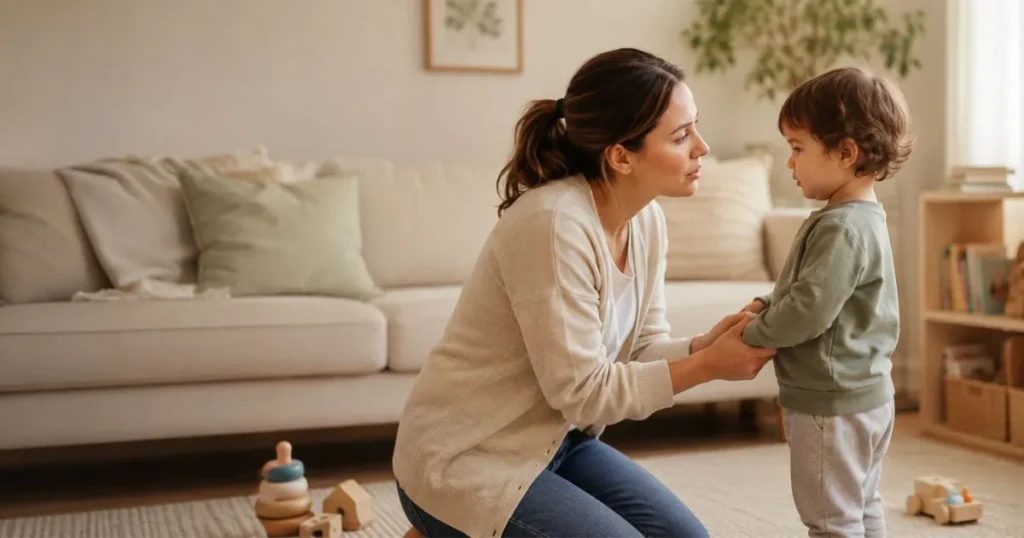
Few parenting moments feel as uncomfortable as watching your toddler raise a hand and hit you, a sibling, or another child. Toddler hitting can leave you feeling angry, embarrassed, confused, or even wondering whether you’re somehow failing as a parent. Then comes the question: How do you stop toddler hitting without punishment? The good news
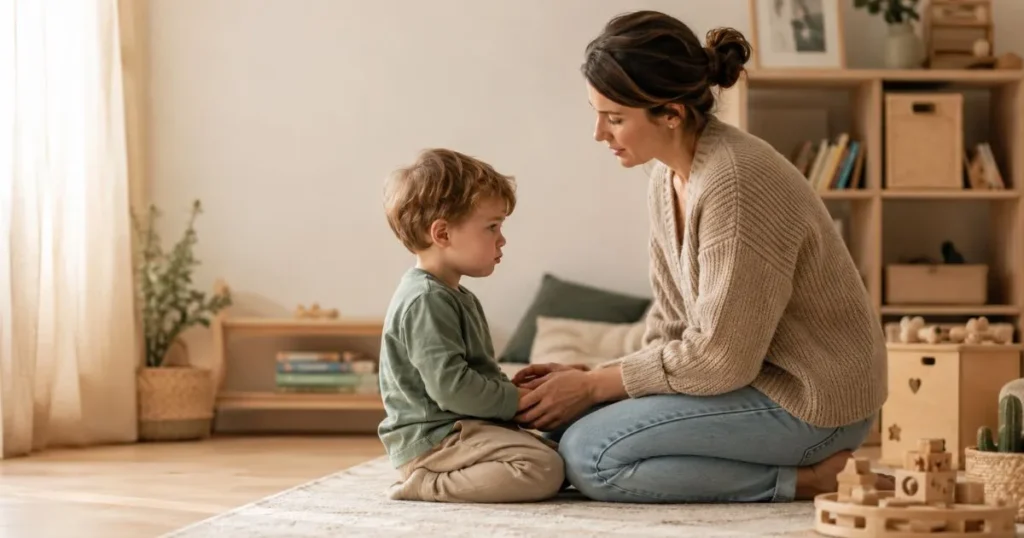
Parenting can put you in some surprisingly difficult situations. Your toddler refuses to get dressed. Your preschooler screams because you said no. Your child hits when frustrated, throws a toy, or melts down in the middle of the grocery store. In those situations, you might wonder: How can you honor your child’s feelings while still
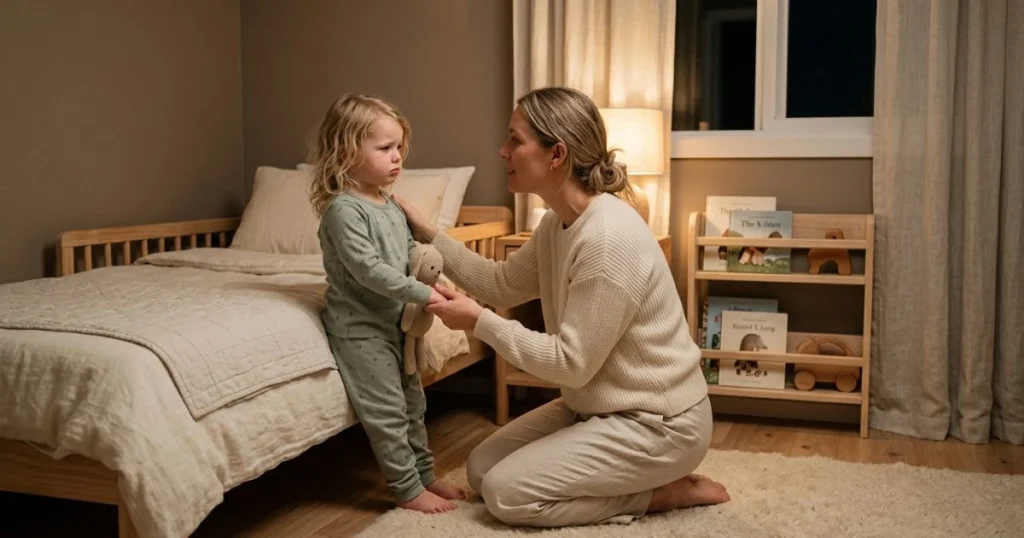
Few things can catch you off guard as quickly as seeing your toddler sink their teeth into another child—or feeling a bite yourself. One moment, your child may be happily playing. The next, there are tears, confusion, and a room full of worried adults. If it happens at daycare or in front of other parents,
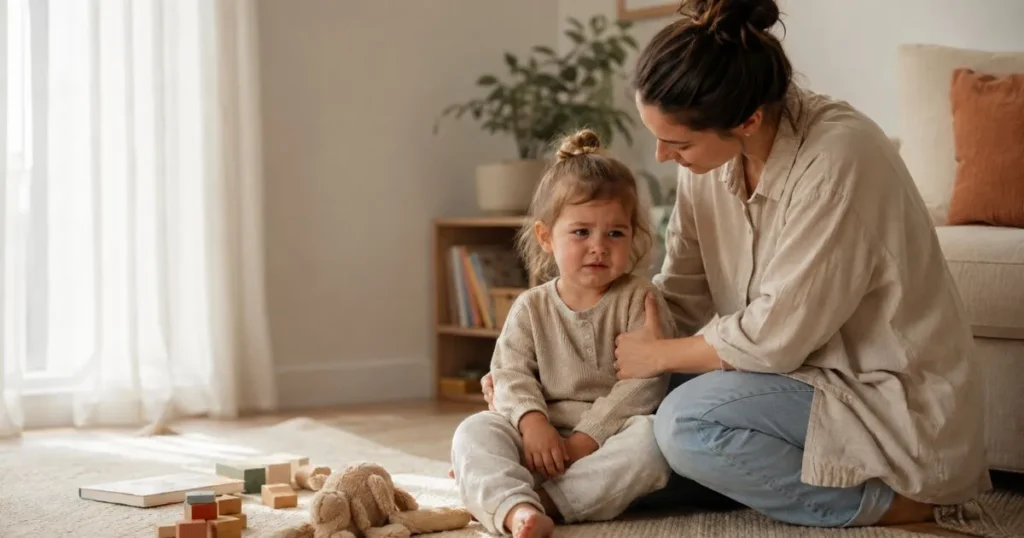
Toddlers can seem perfectly happy one minute and completely overwhelmed the next. A spilled cup, a broken cracker, leaving the playground, getting dressed, or hearing the word “no” can suddenly lead to crying, screaming, hitting, or a full-blown tantrum. These everyday moments are often closely connected to Toddler Emotions, which are still developing at this
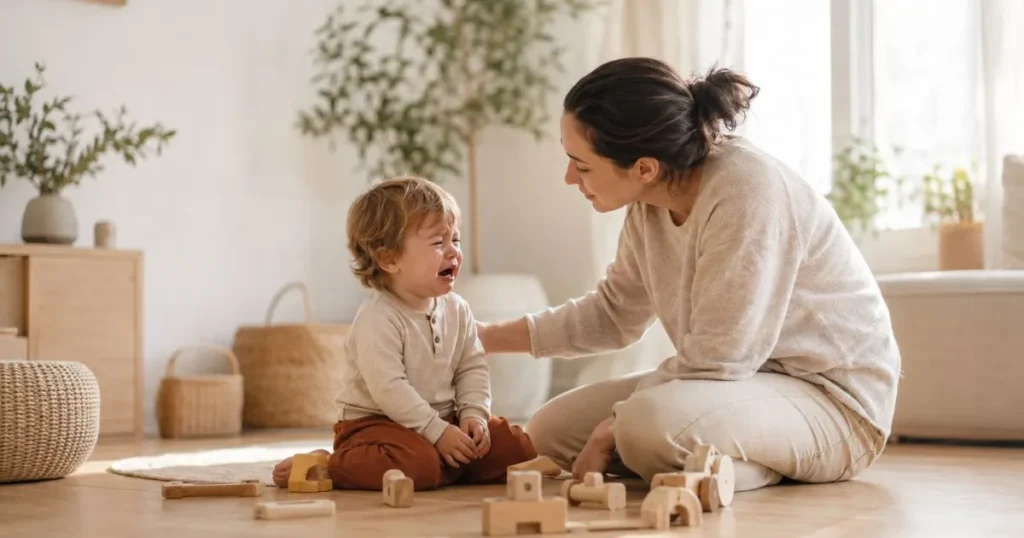
You’re Not a Bad Parent—Toddler Tantrums Are a Normal Part of Growing Up One minute, your toddler is happily nibbling on a snack. The next, they’re crying on the kitchen floor because you peeled their banana instead of letting them do it themselves. If you’ve ever found yourself standing in the middle of a grocery