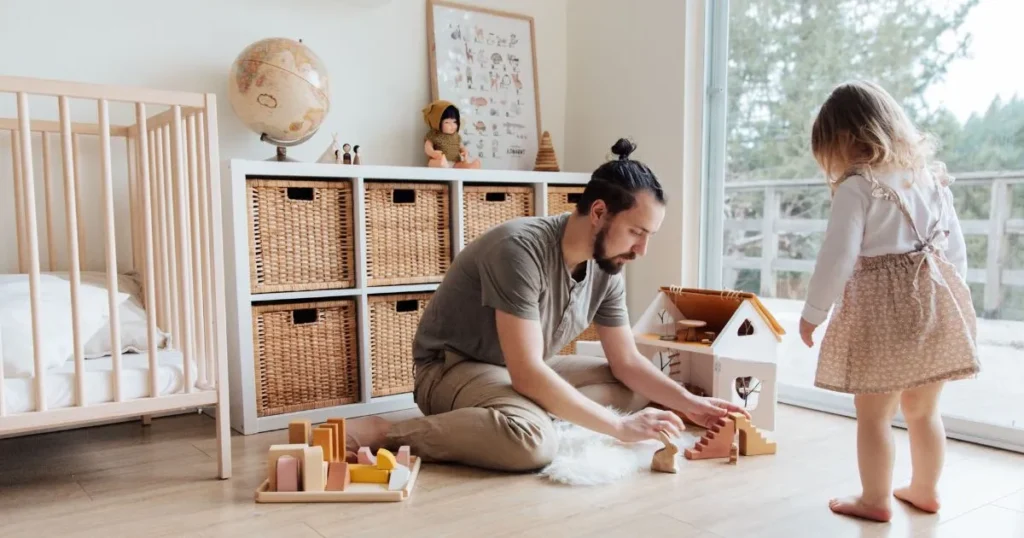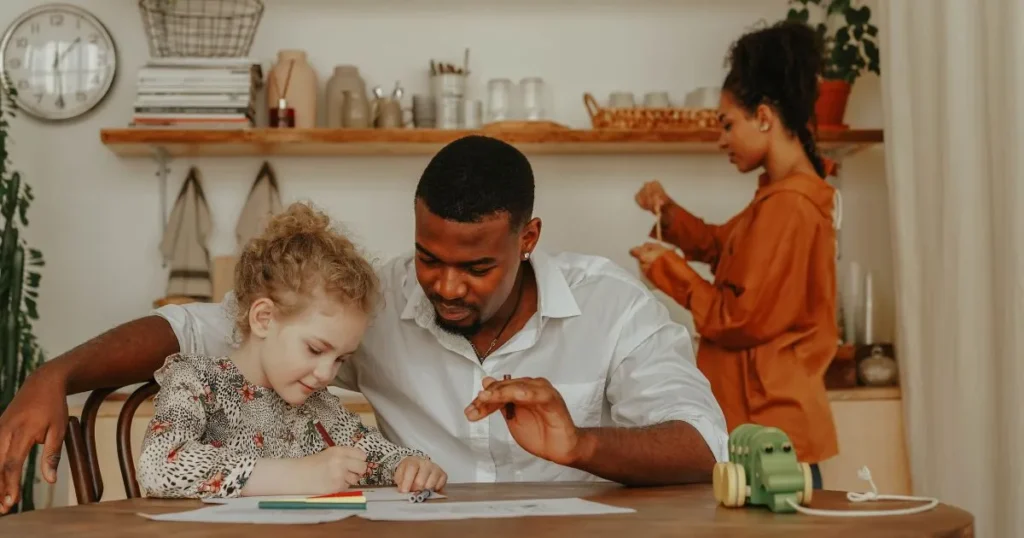

Have You Ever Wondered If There’s a Better Way to Parent?
Parenting rarely goes exactly as you imagined.
One moment, your child is laughing in your arms. The next, they’re crying because you cut their sandwich the “wrong” way or refusing to put on their shoes before leaving the house. In those stressful moments, it’s easy to react with frustration—even when your intention is to stay calm.
If you’ve ever found yourself raising your voice and then instantly regretting it, you’re definitely not alone. Every parent loses patience sometimes. What matters isn’t being perfect; it’s learning how to respond in ways that help your child grow instead of simply stopping a behavior.
That’s one reason gentle parenting has become increasingly popular among modern families. Parents are looking for an approach that encourages cooperation without relying on yelling, fear, or harsh punishment.
But gentle parenting is also one of the most misunderstood parenting styles. Some people believe it means never saying “no.” Others assume children raised this way become spoiled or lack discipline.
The truth is very different.
Gentle parenting combines empathy with clear boundaries. It teaches children how to understand their emotions, solve problems, and make thoughtful choices while helping you build a stronger relationship with them.
Whether you’re parenting a curious toddler, an energetic preschooler, or an independent teenager, the principles of gentle parenting can help create a calmer, more respectful home.
In this complete beginner’s guide, you’ll discover:
- What gentle parenting really means
- The four principles behind the approach
- How gentle parenting works in everyday situations
- The benefits and challenges you can expect
- Practical techniques you can start using today
- Common myths that often discourage parents
- Answers to frequently asked questions
By the end of this guide, you’ll have a clear understanding of how gentle parenting works—and whether it’s the right fit for your family.

What Is Gentle Parenting?
At its heart, gentle parenting is an approach that focuses on teaching rather than controlling. Instead of relying on punishment or fear to gain obedience, it encourages you to guide your child with empathy, respect, understanding, and consistent boundaries.
Children still need guidance and limits—gentle parenting simply changes how those limits are taught.
In fact, one of the biggest misconceptions about gentle parenting is that it’s permissive. While permissive parenting avoids limits, gentle parenting recognizes that children need structure to feel safe and secure.
The difference lies in how those limits are enforced.
Rather than saying:
“Stop crying or you’ll be punished.”
A gentle parenting approach might sound like:
“I can see you’re upset. It’s okay to feel angry, but hurting others isn’t an acceptable way to express those feelings. Let’s figure this out together.”
Notice what changes.
The behavior is still addressed, but the child’s emotions aren’t dismissed or punished.
Rather than only trying to stop unwanted behavior, gentle parenting encourages a different approach by asking a new question:
“What is my child trying to learn or express in this moment?”
That shift in mindset changes everything.
Instead of viewing difficult behavior as defiance, you begin to see it as communication. A toddler who throws toys may be overwhelmed. A preschooler who resists going to bed might simply be looking for connection after a long, busy day. A school-age child who argues constantly may be struggling to express frustration appropriately.
This perspective doesn’t excuse inappropriate behavior—but it helps you respond in ways that teach rather than simply react.
The Philosophy Behind Gentle Parenting
Gentle parenting is built on the understanding that children are still developing the skills adults often take for granted.
Young children are learning how to:
- Manage big emotions
- Solve problems
- Wait patiently
- Handle disappointment
- Communicate respectfully
- Make thoughtful decisions
- Understand consequences
These abilities don’t appear overnight. They develop gradually with guidance, practice, and supportive relationships.
When you expect age-appropriate behavior instead of perfection, parenting often becomes less stressful for both you and your child.

The Four Core Principles of Gentle Parenting
Every gentle parenting decision is guided by four essential principles.
Together, they create a parenting style that balances kindness with consistency.
Respect
Respect is the foundation of every healthy relationship—including the one you have with your child.
Children deserve to be spoken to with kindness, even when they’ve made a mistake.
Respect doesn’t mean treating your child like an adult or allowing disrespectful behavior. Instead, it means recognizing that every child has thoughts, emotions, and needs worth acknowledging.
When you model respectful communication, your child learns how to communicate respectfully in return.
Examples include:
- Listening without interrupting
- Explaining rules calmly
- Avoiding insults or labels
- Speaking politely, even during conflict
- Giving age-appropriate choices whenever possible
Respect is something children learn by experiencing it.
Children often experience emotions more intensely than adults.
Imagine having a terrible day but lacking the words to explain what you’re feeling. That’s how many young children experience frustration, disappointment, fear, or exhaustion.
Empathy means trying to understand the emotion behind the behavior before correcting the behavior itself.
For example, if your toddler cries because playtime is over, empathy doesn’t mean giving them another hour to play.
It simply means acknowledging their feelings:
“You’re disappointed because you were having fun. I understand. Now it’s time to go home.”
Feeling understood often helps children calm down more quickly than being told to “stop crying.”
Understanding
Understanding goes beyond empathy.
It means recognizing what your child is capable of based on their stage of development.
A two-year-old isn’t being manipulative when they have a tantrum. Their brain is still learning emotional regulation.
A four-year-old may struggle with impulse control.
Even older children sometimes need reminders and support while developing executive functioning skills.
When you understand child development, your expectations become more realistic.
Instead of asking:
“Why won’t my child listen?”
You begin asking:
“What support does my child need right now?”
That shift creates opportunities for teaching instead of constant conflict.

Healthy Boundaries
Kindness without boundaries becomes permissiveness.
Boundaries without kindness become authoritarian.
Gentle parenting combines both.
Children need predictable rules because they create safety.
Examples include:
- Bedtime routines
- Screen time limits
- Respectful language
- Family safety rules
- Household responsibilities
The boundary remains firm, but your delivery stays calm.
Instead of threatening punishment, you confidently enforce expectations while helping your child understand why the limit exists.
This combination of warmth and consistency is what makes gentle parenting so effective over the long term.
How Does Gentle Parenting Work?
Many parents understand the philosophy behind gentle parenting but wonder how it looks during everyday challenges.
The process is surprisingly practical.
Step 1: Regulate Yourself First
Before helping your child regulate their emotions, take a moment to regulate your own.
Pause.
Take a deep breath.
Lower your voice.
Children are highly influenced by the emotions they see in the adults who care for them. Your calm presence becomes one of the most powerful parenting tools you have.
Step 2: Connect Before Correcting
Children are much more open to learning when they feel heard and understood.
A simple statement like:
“I know you’re frustrated.”
can help lower resistance and encourage a more cooperative response.
Connection isn’t rewarding bad behavior—it’s creating the emotional safety needed for learning.
Step 3: Set a Clear Boundary
Validation doesn’t replace limits.
If your child throws blocks, you might calmly say:
“I won’t allow you to throw the blocks because someone could get hurt.”
The limit is clear, respectful, and consistent.
Step 4: Teach a Better Choice
Children need alternatives.
Rather than focusing only on what they shouldn’t do, guide them toward a better way to respond.
For example:
- “Throw this soft ball instead.”
- “Use your words if you’re angry.”
- “Let’s stomp our feet instead of hitting.”
Teaching replacement behaviors builds skills that last long after the moment has passed.
Step 5: Stay Consistent
Gentle parenting isn’t about finding magical words that instantly stop tantrums.
It’s about responding consistently, day after day.
Over time, your child begins to understand expectations, trust your guidance, and develop the emotional tools they’ll use throughout life.
Gentle Parenting vs. Traditional Parenting
If you’re exploring different parenting styles, you’ve probably noticed that gentle parenting is often compared with traditional parenting. While both approaches aim to raise responsible, respectful children, they take very different paths to get there.
Traditional parenting generally emphasizes obedience and authority. Parents are expected to be in charge, and children are expected to follow instructions with little discussion. Discipline often relies on rewards, punishments, or consequences designed to stop unwanted behavior quickly.
Gentle parenting, on the other hand, focuses on teaching the skills behind good behavior. Instead of asking, “How can I respond in a way that helps my child learn?” you shift to, “What is my child trying to communicate through this behavior, and how can I guide them to learn from it?”
Neither approach means parents should give up authority. The difference lies in how authority is used.
Key Differences
| Gentle Parenting | Traditional Parenting |
| Builds cooperation through connection | Seeks obedience through authority |
| Uses empathy before correction | Often corrects behavior immediately |
| Encourages emotional expression | May expect children to suppress emotions |
| Focuses on long-term life skills | Focuses on immediate compliance |
| Discipline is teaching | Discipline may rely on punishment |
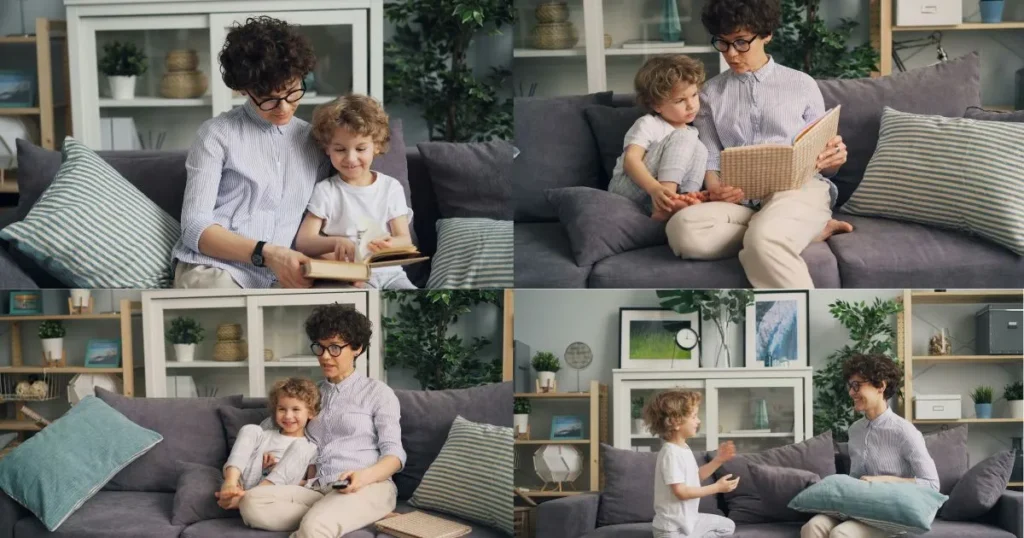
A Real-Life Example
Here’s a situation many parents know well: you ask your six-year-old to clean up their toys after playtime, and they flatly refuse.
A traditional response might be:
“You need to clean up your toys before you can watch TV.”
A gentle parenting response could sound like this:
“I can see you’re not ready to stop playing yet. We still need to tidy up the toys. Would you like us to clean up together, or would you rather start with the cars or the blocks?”
No matter which option they choose, the toys still need to be cleaned up.
The difference is that the second approach encourages cooperation instead of creating a power struggle.
Over time, children learn not only what to do but also why it matters.
Gentle Parenting vs. Positive Parenting
Another common question is whether gentle parenting and positive parenting are the same thing.
The short answer is: they’re very similar, but not identical.
Both approaches reject harsh punishment and encourage respectful communication. Both aim to build a healthy parent-child relationship while helping children develop confidence and responsibility.
However, their primary focus differs slightly.
| Gentle Parenting | Positive Parenting |
| Strong emphasis on emotional connection | Strong emphasis on encouragement |
| Rooted in empathy and attachment | Rooted in positive reinforcement |
| Focuses on understanding behavior | Focuses on reinforcing desired behavior |
| Prioritizes emotional coaching | Prioritizes motivation and praise |
Many families naturally blend techniques from both styles.
For example, you might validate your child’s frustration (gentle parenting) while also praising their effort to solve a problem calmly (positive parenting).
The most important takeaway is that both approaches encourage kindness, consistency, and mutual respect.
The Benefits of Gentle Parenting
Parents often ask whether gentle parenting actually works.
While no parenting method guarantees perfect behavior, decades of child development research suggest that warm, responsive parenting combined with consistent boundaries supports healthy emotional and social development.
Here are some of the most meaningful benefits.
1. A Stronger Parent-Child Relationship
Children thrive when they feel emotionally safe.
When they know you’ll listen without immediately judging or punishing them, they’re more likely to come to you with problems as they grow older.
That trust becomes especially valuable during adolescence, when communication often becomes more challenging.
A strong relationship is built through thousands of everyday interactions:
- Listening without interrupting
- Comforting difficult emotions
- Keeping promises
- Spending quality time together
- Repairing after conflict
Connection isn’t created during perfect parenting moments.
It’s built through consistent, caring responses over time.
2. Better Emotional Regulation
Learning how to manage big emotions is a skill that young children develop over time.
They develop emotional regulation by observing the adults around them.
When you remain calm during stressful situations, your child gradually learns to do the same.
They begin to recognize that emotions like anger and sadness are a normal part of life, and that there are healthy ways to handle them.
These skills can support children throughout their lives, helping them at school, in friendships, and well into adulthood.
3. Increased Confidence and Independence
Children become more confident when they feel heard.
When you involve your child in age-appropriate decisions, offer choices, and encourage problem-solving, they develop trust in their own abilities.
Confidence grows from experience—not from perfection.
Rather than rescuing your child from every difficulty, gentle parenting encourages you to guide them through challenges while allowing them to practice new skills.
4. Improved Communication
Respectful communication works both ways.
Children who experience respectful conversations at home are more likely to communicate openly themselves.
Instead of hiding mistakes out of fear, they learn that honesty leads to guidance rather than shame.
You’re offering a choice within the limits you’ve already decided on.
5. Fewer Power Struggles
Many daily battles happen because both parent and child become locked into a cycle of control.
Gentle parenting helps reduce these conflicts by replacing demands with collaboration whenever possible.
That doesn’t mean negotiating every decision.
It means looking for opportunities to give children a sense of autonomy while maintaining necessary boundaries.
For example:
Instead of:
“Put your shoes on now.”
You might say:
“Do you want to wear your blue shoes or your white ones today?”
The limit remains unchanged.
They get to make a small decision, while you continue leading the overall direction.
6. Stronger Social Skills
Children learn empathy by experiencing empathy.
When children consistently feel understood, they become more able to understand others.
Over time, this can lead to:
- Better friendships
- Greater cooperation
- Improved conflict resolution
- Increased kindness toward others
These skills extend far beyond childhood.
7. Long-Term Self-Discipline
Punishment often teaches children to avoid getting caught.
Teaching helps them understand why a behavior matters.
Gentle parenting focuses on developing an inner sense of responsibility instead of relying on external rewards or fear of punishment.
That internal motivation becomes increasingly valuable as children grow older and make more decisions independently.

The Challenges of Gentle Parenting
Although gentle parenting offers many benefits, it isn’t always easy.
Like any parenting approach, it requires patience, consistency, and practice.
Staying Calm During Difficult Moments
Remaining calm while your child screams in the grocery store is easier said than done.
You may still lose your patience from time to time.
The goal isn’t perfection.
It’s recovering more quickly and showing your child that everyone can repair relationships after making mistakes.
If you yell, you can always return later and say:
“I’m sorry I shouted. I was feeling frustrated, and next time I want to respond in a calmer, more helpful way.”
That apology teaches accountability better than pretending nothing happened.
Being Consistent
Children feel secure when expectations stay predictable.
Children are more likely to follow bedtime routines when the expectations remain steady each night.
Consistency doesn’t require rigid perfection.
It simply means responding in a consistent and predictable way over time.
Small, predictable routines often reduce challenging behavior before it starts.
Handling Outside Criticism
Not everyone understands gentle parenting.
You may hear comments like:
- “You’re too soft.”
- “Kids need tougher discipline.”
- “We would have never gotten away with that when I was growing up.”
Remember that every family chooses the parenting approach that aligns with its values.
You don’t need to convince everyone else.
Focus on building the relationship you want with your child.
Parent Burnout
Gentle parenting asks a lot of parents emotionally.
Supporting a child through big feelings while managing your own responsibilities can be exhausting.
That’s why self-care isn’t selfish.
Simple habits can make a big difference:
- Getting enough sleep whenever possible
- Asking for help
- Taking short breaks
- Spending time on hobbies you enjoy
- Talking with supportive friends or family
When you’re calm, you’re better equipped to help your child work through their big emotions.
Common Myths About Gentle Parenting
Because the name sounds soft, many myths have developed around gentle parenting.
Let’s take a closer look at some of the most common misconceptions.
| Myth | Reality |
| Gentle parenting means never saying “no.” | Parents set clear, consistent boundaries. |
| Gentle parenting creates spoiled children. | Children learn responsibility alongside empathy. |
| Gentle parenting has no consequences. | It encourages logical and natural consequences instead of punishment. |
| Children always get what they want. | Parents remain the leaders in the relationship. |
| Gentle parenting ignores bad behavior. | Behavior is addressed through teaching and guidance. |
| It only works with calm children. | The approach is especially valuable during challenging behaviors. |
| Gentle parenting is permissive parenting. | They are different parenting styles with different goals. |
| You don’t need to respond perfectly every time to practice gentle parenting. | Most parents can think of moments they’d approach differently if given another chance. What truly shapes your relationship is how you move forward afterward. |
Perhaps the biggest myth of all is that gentle parenting is easy.
It isn’t.
It asks parents to pause before reacting, manage their own emotions, and model the behaviors they hope to see in their children.
That takes practice.
But for many families, the stronger relationships and long-term emotional skills make the effort worthwhile.
Gentle Parenting by Age
One of the things that makes gentle parenting so effective is that it can adapt as your child grows. While the core principles remain the same, the way you apply them changes as your child grows.
A baby doesn’t need the same guidance as a preschooler, and a teenager needs more independence than a toddler. Understanding what is developmentally appropriate helps you respond with realistic expectations instead of unnecessary frustration.
Gentle Parenting with Babies (0–12 Months)
During the first year of life, your baby’s brain is developing at an incredible pace.They aren’t trying to manipulate you or misbehave. At this age, crying is simply how they communicate their needs and feelings.
Your main goal during this stage is to build trust and security.
What to Focus On
- Respond to your baby’s cries consistently.
- Create predictable feeding and sleep routines.
- Use a calm voice and gentle touch.
- Make eye contact during everyday interactions.
- Spend time talking, singing, and reading together.
These everyday interactions help your baby build a secure attachment, creating a strong foundation for healthy emotional development as they grow.
Parent Tip: You cannot spoil a young baby by responding to their needs. Consistent care helps them feel safe and supported.
Gentle Parenting with Toddlers (1–3 Years)
Toddlerhood is often where parents first discover gentle parenting.
Toddlers are curious, energetic, and determined to do things on their own. At the same time, the part of the brain responsible for self-control is still developing.
This explains why tantrums, hitting, throwing, and saying “no” are so common.
Instead of seeing these behaviors as acts of defiance, gentle parenting encourages you to view them as opportunities to teach.
Helpful Strategies
- Offer two simple choices.
- Keep routines predictable.
- Use distraction and redirection.
- Stay calm during tantrums.
- Set short, clear boundaries.
For example, instead of saying:
“Stop running!”
Try:
“Walking feet inside, please. We can run outside.”
The message is clear, positive, and easier for a young child to understand.
Gentle Parenting with Preschoolers (3–5 Years)
Preschoolers are becoming more independent and imaginative. They’re also learning empathy, problem-solving, and self-control—but these skills are still developing.
This is the perfect age to coach emotions instead of simply correcting behavior.
Encourage Emotional Vocabulary
Help your child name what they’re feeling.
For example:
- “You seem disappointed.”
- “You look frustrated.”
- “Were you feeling left out?”
The more children understand their emotions, the easier it becomes to express them appropriately.
Involve Them in Problem-Solving
Instead of solving every conflict yourself, ask questions such as:
- “What do you think would help?”
- “How can we fix this together?”
- “What could we try next time?”
These conversations build confidence and resilience.
Gentle Parenting with School-Age Children (6–12 Years)
As children grow, they begin to understand fairness, responsibility, and consequences more deeply.
This is an ideal time to encourage independence while maintaining clear expectations.
Focus On
- Collaborative problem-solving
- Household responsibilities
- Respectful communication
- Emotional regulation
- Accountability
Rather than rescuing your child from every mistake, guide them toward finding solutions.
For example, if they forget their homework, resist the urge to immediately fix the problem. Instead, talk with them about what they could try differently the next time a similar situation comes up.
Natural consequences often become powerful teachers.
Gentle Parenting with Teenagers
Teenagers crave independence, but they still need guidance.
Gentle parenting during adolescence means shifting from controlling behavior to coaching decision-making.
Ways to Stay Connected
- Listen more than you lecture.
- Respect their opinions.
- Maintain family expectations.
- Encourage open conversations.
- Solve problems together.
A teenager who feels respected is more likely to seek your advice when facing difficult situations.
Practical Gentle Parenting Techniques You Can Start Today

Reading about gentle parenting is helpful.
The real transformation happens when you start applying these ideas in everyday parenting.
Here are twelve techniques you can start using today.
1. Pause Before Reacting
When emotions run high, your first reaction isn’t always your best one.
Before responding:
- Take one deep breath.
- Lower your voice.
- Slow your movements.
A calm parent helps create a calm child.
2. Connect Before You Correct
Children are more willing to cooperate when they feel understood.
Instead of immediately correcting behavior, acknowledge the emotion first.
For example:
“I know you’re disappointed because playtime is over.”
Then set the boundary.
3. Validate Feelings Without Changing the Limit
Validation doesn’t mean agreeing with every request.
It simply tells your child:
“Your feelings make sense.”
For example:
“You’re angry because your brother took the toy. It’s okay to feel angry. It’s not okay to hit.”
This teaches that all feelings are acceptable, but not all behaviors are.
4. Offer Limited Choices
Giving children small choices increases cooperation while keeping you in charge.
Examples include:
- “Which would you like today—the red cup or the blue cup?”
- “Would you like to get into your pajamas first, or would you rather brush your teeth first?”
- “Do you want to walk to bed or pretend to hop like a bunny?”
The boundary stays the same.
Your child simply has some control over how it’s completed.
5. Replace Punishment with Natural Consequences
Whenever it’s safe, let real-life consequences become the teacher.
Examples:
- A forgotten toy stays at home.
- Water spilled on purpose gets cleaned up.
- A broken crayon can’t be used anymore.
Natural consequences often teach responsibility more effectively than unrelated punishments.
6. Model the Behavior You Want to See
Children are influenced much more by your actions than by your words.
If you want respectful communication:
- Speak respectfully.
- Apologize when you’re wrong.
- Handle frustration calmly.
- Show empathy toward others.
You are your child’s earliest role model and one of their greatest influences.
7. Focus on Teaching Instead of Winning
Parenting isn’t about winning arguments.
The goal is to help your child develop lifelong skills they can rely on as they grow.
Ask yourself:
“What do I hope my child takes away from this experience?”
That simple question often changes your response.
8. Create Predictable Routines
Children feel safer and more confident when they know what to expect next.
Simple routines reduce conflict around:
- Bedtime
- Mealtimes
- Morning preparations
- Homework
- Screen time
Consistency reduces stress for everyone.
9. Notice Positive Behavior
Children often repeat behaviors that receive attention.
Instead of only commenting when something goes wrong, notice what they’re doing well.
For example:
- “You shared your toy so kindly.”
- “I noticed you cleaned up without being asked.”
- “You kept trying even when it was difficult.”
Specific encouragement is more meaningful than general praise.
10. Repair After Difficult Moments
Every parent loses patience sometimes.
What matters most is repairing the relationship afterward.
A sincere apology teaches children:
- Accountability
- Humility
- Emotional honesty
Saying,
“I’m sorry I shouted. I was frustrated, and I’ll try to handle it differently next time,”
models exactly the kind of responsibility you hope your child will develop.
11. Stay Curious
Instead of asking:
“What’s wrong with my child?”
Try asking:
“What’s happening for my child?”
Curiosity often leads to understanding, while judgment can create distance.
12. Celebrate Progress, Not Perfection
Gentle parenting is a journey.
Some days will feel easy.
Others won’t.
Celebrate the small victories:
- One less power struggle.
- One calmer bedtime.
- One repaired conversation.
Those moments add up over time.
Everyday Gentle Parenting Scripts
Many parents understand the principles of gentle parenting but struggle to find the right words in stressful situations.
These simple scripts can help.
During a Tantrum
“I can see you’re really upset. I’m staying with you. When your body feels calmer, we’ll figure this out together.”
When Your Child Hits Someone
“I won’t let you hit. You’re angry, and that’s okay. Let’s use words or squeeze this pillow instead.”
At Bedtime
“I know you’d like to keep playing. It’s bedtime now because your body needs rest. Would you like one story or two short stories?”
When They Refuse to Listen
“I hear that you don’t want to leave the park. It’s hard to stop having fun. It’s time to go now. Would you like to walk to the car or hold my hand?”
During Sibling Arguments
“It seems like you both want to play with the same toy. Let’s slow down and think of a solution that feels fair.”
When Your Child Whines
“I want to understand you. Can you try asking again using your regular voice?”
After You’ve Lost Your Temper
“I’m sorry I yelled earlier. That wasn’t the way I wanted to handle the situation. Let’s talk about what happened together.”
This kind of repair teaches children that healthy relationships include honesty, forgiveness, and growth.
Common Gentle Parenting Mistakes Beginners Make
Starting gentle parenting can feel refreshing, but it’s also normal to make mistakes as you learn. The good news is that gentle parenting isn’t about being perfect—it’s about being intentional and willing to grow alongside your child.
Here are a few common mistakes parents make—and simple ways to avoid them.
1. Confusing Gentle Parenting with Permissive Parenting
Being gentle doesn’t mean saying “yes” to everything.
Children still need limits to feel safe and secure. Without clear boundaries, they may become confused about expectations.
Instead of avoiding conflict, calmly enforce family rules while showing empathy for your child’s feelings.
2. Expecting Immediate Results
Gentle parenting is a long-term investment.
Your child won’t suddenly stop having tantrums or start listening perfectly after a few days. Just as learning to read takes practice, learning emotional regulation takes time.
Celebrate progress instead of expecting perfection.
3. Trying to Stay Calm Every Single Time
Even experienced parents lose their patience.
The goal isn’t to remain calm 100% of the time. The goal is to recognize when you’ve made a mistake, repair the relationship, and try again.
Your child learns resilience by watching you handle your own imperfections.
4. Talking Too Much During Big Emotions
When children are overwhelmed, they aren’t ready for long explanations.
Keep your words short and calm.
Instead of giving a lecture, offer comfort, acknowledge the emotion, and save teaching for later when everyone is calm.
5. Ignoring Your Own Needs
You cannot consistently respond with patience if you’re exhausted, overwhelmed, or running on empty.
Looking after yourself isn’t selfish—it’s part of being the parent you want to be.
Even small moments of rest can make a difference.
6. Comparing Yourself to Other Parents
Every child is different.
Every family is different.
What works for another family may not work for yours, and that’s okay.
Focus on building the relationship that feels right for you and your child.
How to Start Gentle Parenting Today
You don’t need to change everything overnight.
Small, consistent changes often have the greatest impact.
Week 1: Observe Before You React
This week, simply notice your parenting habits.
Ask yourself:
- What situations trigger my frustration?
- When does my child struggle the most?
- How do I usually respond?
Awareness is the first step toward change.
Week 2: Practice Emotional Validation
Before correcting your child’s behavior, acknowledge their feelings.
Try phrases such as:
- “I understand you’re upset.”
- “That was disappointing.”
- “It’s okay to feel angry.”
Remember, validating emotions doesn’t mean approving every behavior.
Week 3: Focus on Connection
Make it a habit to spend 10 to 15 minutes each day focused entirely on your child, with no phones, chores, or other distractions.
You might:
- Read a book together.
- Build with blocks.
- Go for a walk.
- Draw pictures.
- Play a simple game.
Even short periods of uninterrupted connection can strengthen your relationship.
Week 4: Set Calm, Consistent Boundaries
Choose one area to improve, such as bedtime, screen time, or toy clean-up.
Keep your expectations clear, your tone calm, and your response consistent.
Over time, consistency helps children understand what’s expected.
Gentle Parenting Beginner Checklist
Use this simple checklist as a daily reminder.
- □ Pause before reacting.
- □ Stay calm whenever possible.
- □ Listen before correcting.
- □ Validate your child’s feelings.
- □ Set clear, respectful boundaries.
- □ Offer limited choices.
- □ Teach instead of punish.
- □ Model the behavior you want to see.
- □ Repair after difficult moments.
- □ Celebrate progress instead of perfection.
You don’t need to check every box every day. Gentle parenting is a journey, not a test.

Frequently Asked Questions About Gentle Parenting
What is gentle parenting?
Gentle parenting is a parenting approach based on empathy, respect, understanding, and healthy boundaries. It helps children learn emotional regulation and responsible behavior without relying on fear or harsh punishment.
Does gentle parenting really work?
Many parents find that gentle parenting leads to stronger relationships, better communication, and improved emotional regulation. While it requires consistency and patience, the long-term focus on teaching life skills can benefit both children and parents.
Is gentle parenting the same as permissive parenting?
No. Permissive parenting often lacks boundaries, while gentle parenting combines warmth with firm, respectful limits. Children are given guidance and structure rather than complete freedom.
Can gentle parenting be used with toddlers?
Absolutely. Toddlerhood is an excellent time to begin gentle parenting because toddlers are learning how to manage emotions, communicate their needs, and develop self-control.
At what age should you start gentle parenting?
You can begin from birth. Responding to your baby’s needs, creating secure attachment, and communicating respectfully are all early examples of gentle parenting.
Does gentle parenting mean never saying “no”?
No. Saying “no” is sometimes necessary for safety and healthy boundaries. Gentle parenting focuses on how limits are communicated, not on avoiding them.
What are natural consequences?
Natural consequences are the results that happen naturally because of a child’s actions. For example, if a child refuses to wear a coat on a chilly day, they may feel cold and choose to wear it later. Whenever safe and appropriate, these experiences can be valuable learning opportunities.
What can I do if I lose my temper?
Every parent loses patience occasionally.
When it happens:
- Calm yourself.
- Apologize sincerely.
- Repair the relationship.
- Think about what you’ll try differently next time.
Repairing after conflict teaches accountability and emotional maturity.
Is gentle parenting backed by research?
Many of its core principles—such as secure attachment, responsive caregiving, emotional coaching, and authoritative parenting—are supported by decades of child development research.
Can gentle parenting work for strong-willed children?
Yes. Strong-willed children often respond well to respectful communication, consistent boundaries, and opportunities to make age-appropriate choices. While challenges won’t disappear overnight, gentle parenting can reduce power struggles over time.
Final Thoughts
There isn’t a perfect parenting method, and there isn’t a perfect parent.
There are only parents who love their children and keep learning along the way.
Gentle parenting invites you to replace fear with trust, punishment with teaching, and control with connection. It encourages you to see challenging behavior not as a sign that your child is “bad,” but as an opportunity to guide, support, and teach.
Some days will feel easy. Others will test your patience. That’s part of parenting.
What matters most isn’t whether you always get it right—it’s whether your child knows they are loved, respected, and safe, even after difficult moments.
Remember, every calm response, every repaired conversation, and every consistent boundary is helping your child develop the emotional skills they’ll carry into adulthood.
Start small. Choose just one gentle parenting strategy from this guide and practice it this week. As your confidence grows, you’ll likely discover that gentle parenting changes not only your child’s behavior but also the relationship you share.
Continue Your Parenting Journey
If you enjoyed this guide, explore more articles on Parenting Whisper to help you navigate every stage of your parenting journey. You may also enjoy:
- Positive Discipline: How to Teach Without Punishment
- Toddler Tantrums: Why They Happen and How to Respond
- Healthy Toddler Sleep Habits
- Parenting Styles Explained
- Natural Consequences vs. Punishment
- Emotional Regulation Activities for Kids
Every article is written to equip you with practical, evidence-informed parenting tips that you can confidently apply in everyday family life. Small, consistent changes today can help you build a calmer home, a stronger bond with your child, and a healthier family for years to come.