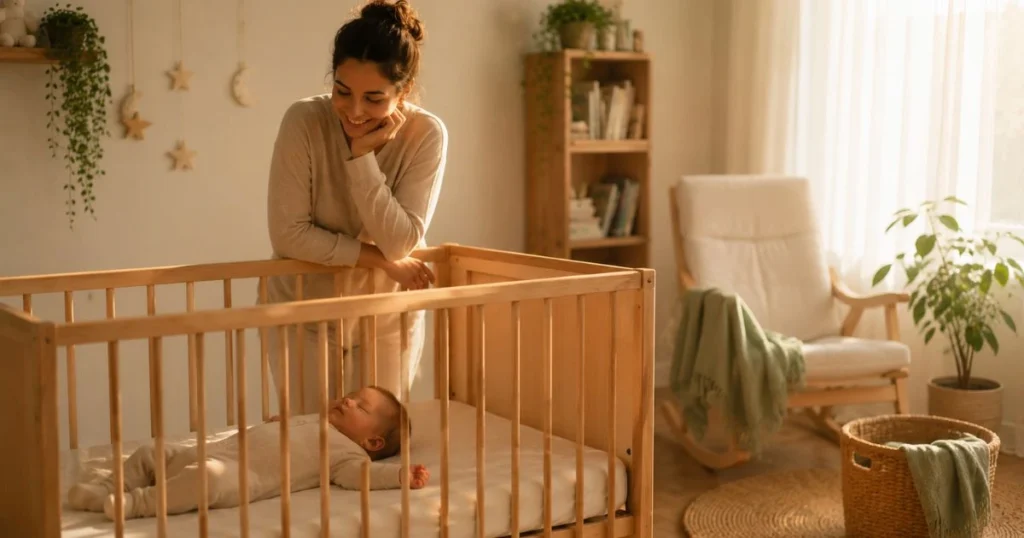
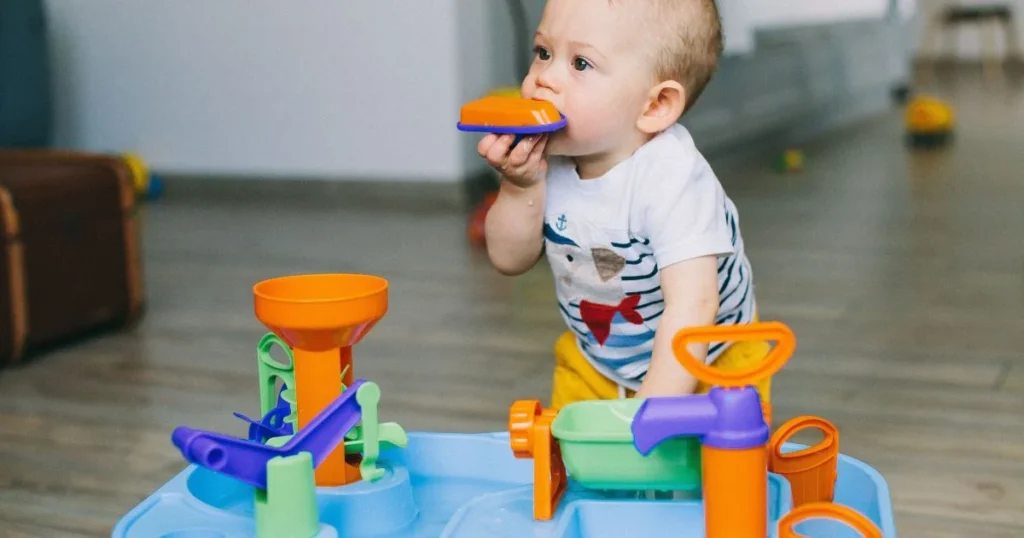
Watching your baby grow from a tiny newborn into a curious little explorer is an experience filled with unforgettable moments. At nine months, you may notice your little one sitting without support, reaching for favorite toys, making adorable babbling sounds, or reacting excitedly when you enter the room. Every day seems to bring something new.
This stage is an exciting part of your baby’s first year. Their movements are becoming more coordinated, their personality is becoming easier to recognize, and their curiosity about the world continues to grow.
But what should a 9-month-old actually be doing? Should your baby already be crawling, pulling up to stand, or saying recognizable words?
The truth is that babies develop at different rates. Some skills appear gradually, while others may take a little longer to emerge. Understanding 9 month old milestones can help you recognize your baby’s progress, encourage healthy development, and know when to ask your pediatrician questions.
Let’s explore what you can expect during this important stage, including physical development, communication, feeding, sleep, and everyday activities that help your baby learn. Understanding these 9 month old milestones will also help you discover simple ways to support your baby’s growth.
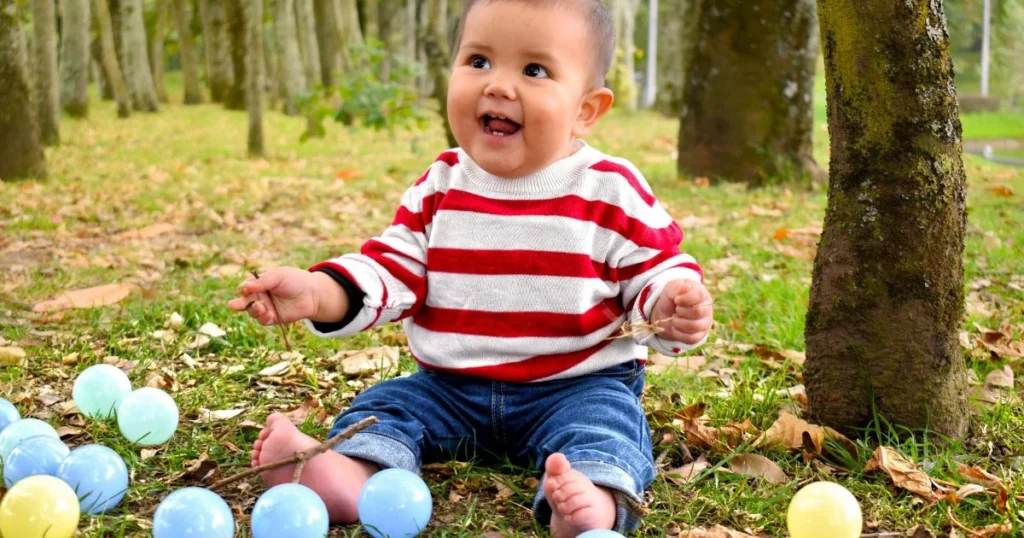
Understanding 9 Month Old Milestones
Developmental milestones are skills that children develop as they grow. They include the ways babies move, communicate, interact with others, learn, and respond to their surroundings.
According to the Centers for Disease Control and Prevention (CDC), developmental milestones describe skills that at least 75% of children can do by a particular age. They provide a helpful starting point for observing your baby’s development, although they are not a substitute for professional developmental screening.
At nine months, 9 month old milestones generally include four main areas:
- Physical development: Sitting independently, transferring objects between hands, and developing coordination.
- Cognitive development: Looking for dropped objects, exploring toys, and learning through repetition.
- Language development: Babbling different sounds and communicating through gestures.
- Social and emotional development: Recognizing familiar people, expressing different emotions, and reacting when caregivers leave.
If you’re following your baby’s development month by month, explore these [6 month old milestones] to understand earlier developmental changes.
Do All Babies Reach Milestones at the Same Time?
No. Your baby may develop certain skills earlier than others, and that is perfectly possible.
For example, one baby may become comfortable sitting independently before showing much interest in moving around. Another may spend more time exploring toys and practicing new sounds.
If your baby was born more than three weeks prematurely, the CDC recommends using corrected age when checking developmental milestones. Your pediatrician can explain how this applies to your child’s development and 9 month old milestones.
The most important thing is to observe your baby’s progress rather than compare them with other children.
9 Month Old Developmental Milestones by Category
Nine months brings exciting changes across several developmental areas. Here are some of the skills you may notice as your baby reaches important 9 month old milestones.
Physical Development and Motor Skills
Your baby’s muscles are becoming stronger, and their coordination is improving. Everyday activities such as reaching for toys, sitting during playtime, and exploring food provide opportunities to practice these abilities.
According to the CDC, important physical 9 month old milestones include:
- Getting into a sitting position independently.
- Sitting without support.
- Moving an object from one hand to the other.
- Using their fingers to rake food toward themselves.
You may also notice your baby reaching for objects, holding toys with both hands, or experimenting with different ways to move across the floor.
Gross motor skills involve larger muscle groups, such as those used for sitting and moving. Fine motor skills involve smaller movements, particularly those involving the hands and fingers.
Both areas develop through everyday exploration and play.
As your baby becomes more active, understanding [baby wake windows by age] can help you create a balanced daily routine.
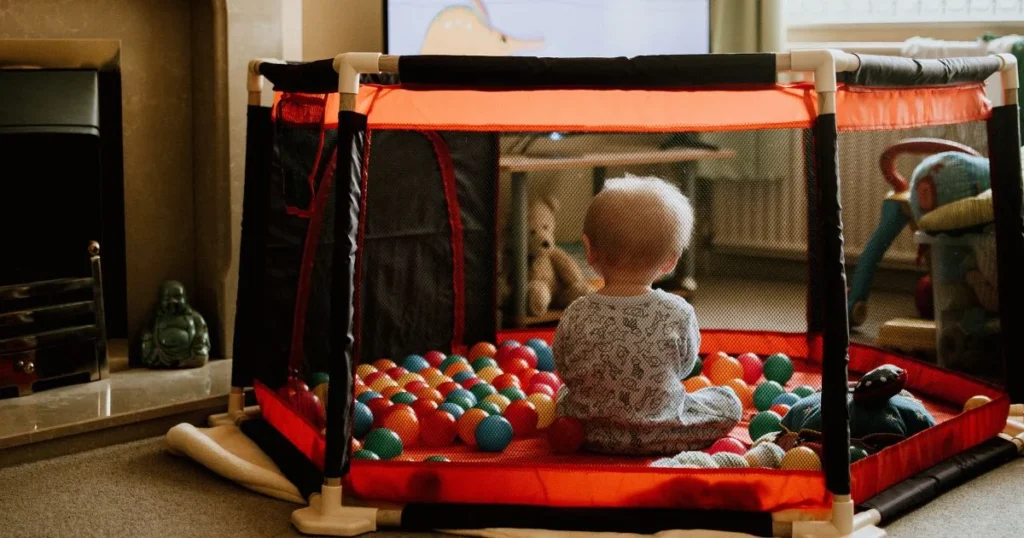
Cognitive Development: How Your Baby Learns
Your baby’s curiosity is growing. They are becoming more interested in how objects work and what happens when they interact with their surroundings.
Some examples of cognitive 9 month old milestones include:
- Looking for a toy after dropping it.
- Watching an object disappear and trying to find it.
- Banging two toys together to make sounds.
- Repeating an action because they enjoy its result.
- Exploring safe objects by touching, shaking, and mouthing them.
These experiences help develop early problem-solving skills and an understanding of cause and effect.
Object permanence is another important concept at this stage. It refers to understanding that an object continues to exist even when it is no longer visible. Games such as peekaboo can make this concept fun to explore.
Language and Communication Milestones
YYour baby’s curiosity is growing. They are becoming more interested in how objects work and what happens when they interact with their surroundings.
Some examples of cognitive 9 month old milestones include:
- Looking for a toy after dropping it.
- Watching an object disappear and trying to find it.
- Banging two toys together to make sounds.
- Repeating an action because they enjoy its result.
- Exploring safe objects by touching, shaking, and mouthing them.
These experiences help develop early problem-solving skills and an understanding of cause and effect.
Object permanence is another important concept at this stage. It refers to understanding that an object continues to exist even when it is no longer visible. Games such as peekaboo can make this concept fun to explore.
Social and Emotional Development
Your baby’s personality may become more noticeable as they develop stronger relationships with familiar people.
Common social and emotional 9 month old milestones include:
- Becoming shy, clingy, or fearful around strangers.
- Showing different facial expressions, including happiness, sadness, anger, and surprise.
- Reacting when you leave the room.
- Smiling or laughing during peekaboo.
- Looking toward you when you call their name.
Separation anxiety may also become more noticeable. Your baby might cry when you leave, reach for you, or become uncomfortable around unfamiliar people.
These reactions are common during this stage and reflect developing social awareness and attachment.
What Should a 9 Month Old Be Doing? A Milestone Checklist
If you are wondering what your baby should be doing at nine months, the CDC checklist offers a useful reference.
Use this table to observe some of the main developmental milestones.
| Developmental area | Milestone |
| Social | Shows several facial expressions |
| Social | May become shy or clingy around strangers |
| Social | Reacts when a caregiver leaves |
| Communication | Makes repeated babbling sounds |
| Communication | Raises arms to be picked up |
| Communication | Looks when their name is called |
| Cognitive | Looks for objects that disappear from sight |
| Cognitive | B bangs two objects together |
| Physical | Sits without support |
| Physical | Gets into a sitting position independently |
| Fine motor | Transfers objects between hands |
| Feeding-related motor skill | Uses fingers to rake food toward themselves |
Remember that this 9 month old milestones checklist is a guide, not a test your baby must pass. If you are unsure whether your baby has reached a milestone, observe them during different activities and discuss any concerns with your pediatrician.

Physical Development: Crawling, Sitting, and Standing
One of the biggest questions parents ask about 9 month old milestones concerns movement. You may see other babies crawling or pulling themselves up and wonder whether your little one should be doing the same.
Let’s look at some common questions.
Should a 9 Month Old Be Crawling?
Not necessarily. Crawling is not a required CDC milestone at nine months.
Some babies crawl on their hands and knees, while others prefer scooting, rolling, or moving backward before figuring out how to move forward. Some children skip traditional crawling altogether.
You can encourage movement and support 9 month old milestones by:
- Giving your baby supervised floor-play opportunities.
- Placing a favorite toy within comfortable reach.
- Providing a safe, open space for exploration.
- Allowing your baby to practice different movements.
Avoid forcing your baby into crawling positions. Give them time to explore at their own pace.
Can a 9 Month Old Sit Independently?
Yes. Sitting without support is one of the CDC’s nine-month 9 month old milestones.
Your baby may now be able to sit while playing with toys, looking around, or interacting with you. They may also begin getting into a sitting position without your assistance.
Supervised floor play gives your baby opportunities to practice balance and coordination.
Should a 9 Month Old Be Pulling Up to Stand?
Some babies begin pulling themselves up using furniture during this stage. Others are still developing the strength and coordination needed for standing as part of their 9 month old milestones.
Pulling to stand and cruising are not required CDC nine-month milestones.
If your baby is showing interest in standing, make sure nearby furniture is stable and secured. Avoid using unstable objects as support.
Cognitive and Sensory Development at 9 Months
Your baby’s brain is constantly processing information from the environment. Every sound, texture, movement, and interaction provides an opportunity to learn and develop important 9 month old milestones.
Understanding Object Permanence
Your baby may begin looking for toys that disappear from sight. For example, if a toy falls beside them, they may turn their head or look down to find it. This is one of the cognitive 9 month old milestones you may notice during everyday play.
You can encourage this learning through simple games:
- Show your baby a favorite toy.
- Hide it partially under a cloth.
- Pause and allow your baby to look for it.
- Celebrate when they discover it.
Learning Through Cause and Effect
Babies enjoy repeating actions that produce interesting results.
Your little one may discover that shaking a toy creates a sound or that dropping an object makes you pick it up. These simple discoveries help develop cognitive 9 month old milestones through repetition and exploration.
Offer safe toys that encourage exploration, such as soft blocks, stacking cups, and simple activity toys.
Exploring Through the Senses
Your baby learns about the world through their senses. These everyday experiences also support important cognitive 9 month old milestones.
You may notice them:
- Touching different fabrics.
- Listening carefully to familiar sounds.
- Looking closely at picture books.
- Exploring safe toys with their hands and mouth.
- Watching people and objects move around them.
Always choose age-appropriate objects without small detachable parts, sharp edges, or other hazards.
9 Month Old Baby Feeding and Nutrition
Mealtimes become increasingly interesting at nine months. Your baby may be more willing to explore different textures, reach for food, and practice feeding independently. These experiences are also part of the feeding-related 9 month old milestones.
Breast milk or infant formula remains an important source of nutrition throughout the first year. Complementary foods provide additional nutrients and opportunities to develop eating skills.
What Foods Can a 9 Month Old Eat?
Most babies who are developmentally ready for solids can enjoy a variety of appropriately prepared foods. Exploring different foods also supports feeding-related 9 month old milestones.
Good options include:
- Soft cooked vegetables such as carrots, zucchini, and sweet potatoes.
- Mashed or soft ripe fruits such as bananas, pears, and avocados.
- Fully cooked eggs.
- Soft beans and lentils.
- Finely prepared meat and fish without bones.
- Iron-fortified infant cereals.
- Plain, unsweetened yogurt.
Offer different flavors and textures gradually. Include iron-rich foods regularly because iron is particularly important during infancy.
Finger Foods and Self-Feeding
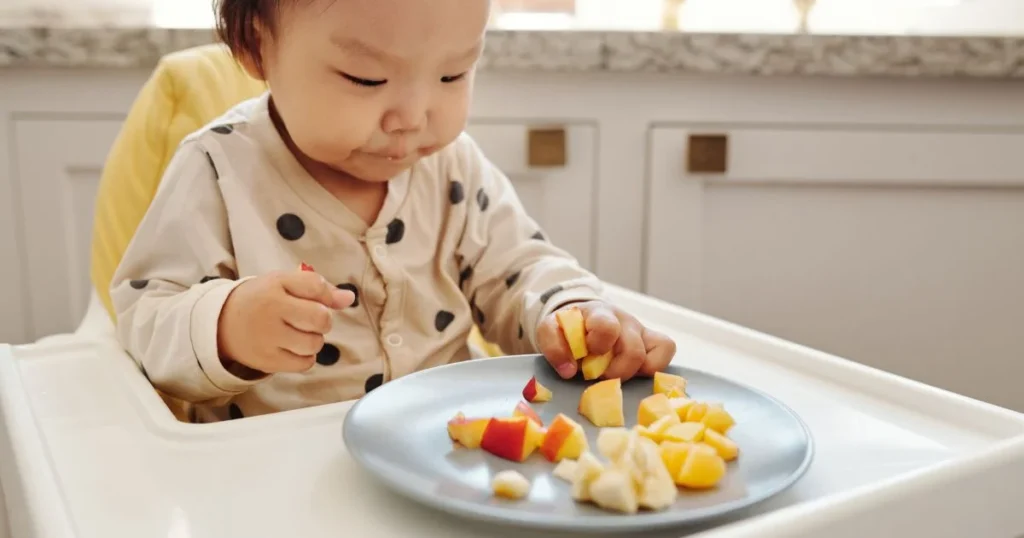
At nine months, your baby may be interested in picking up food and bringing it to their mouth. This is one of the feeding-related 9 month old milestones you may notice during mealtimes.
You can offer appropriately prepared finger foods, such as:
- Soft cooked vegetable pieces.
- Soft ripe fruit.
- Small pieces of suitable bread.
- Well-cooked pasta.
- Soft foods that can be easily mashed between your fingers.
Always adapt food shapes and textures to your baby’s abilities.
Easy 9 Month Old Meal Ideas
Here are a few simple meal ideas you can prepare at home.
| Recipe | Ingredients | Preparation |
| Banana oatmeal | Oats, mashed banana, water or prepared formula | Cook oats until soft and mix with banana |
| Sweet potato mash | Sweet potato, water | Steam until tender and mash |
| Avocado toast | Ripe avocado, suitable soft bread | Mash avocado and spread a thin layer on bread |
| Lentil and carrot mash | Red lentils, carrot, water | Cook until completely soft and mash |
| Egg and zucchini mash | Fully cooked egg, soft cooked zucchini | Mash together into an age-appropriate texture |
Avoid adding salt, sugar, or honey to your baby’s meals. Introducing common allergens in safe forms is also an important part of supporting healthy feeding habits alongside 9 month old milestones. Consult your pediatrician if your baby has a history of food allergies or other relevant concerns.
Breast Milk, Formula, and Solid Foods
At nine months, your baby still needs breast milk or infant formula as a major source of nutrition. Maintaining appropriate milk feeds is an important part of supporting healthy growth alongside 9 month old milestones.
Continue offering regular milk feeds while gradually expanding complementary foods. Your baby’s appetite and milk intake may vary from day to day.
There is no single milk-volume target that suits every baby. Follow your baby’s hunger and fullness cues and discuss feeding concerns with your pediatrician.
You can also introduce small amounts of water with meals.
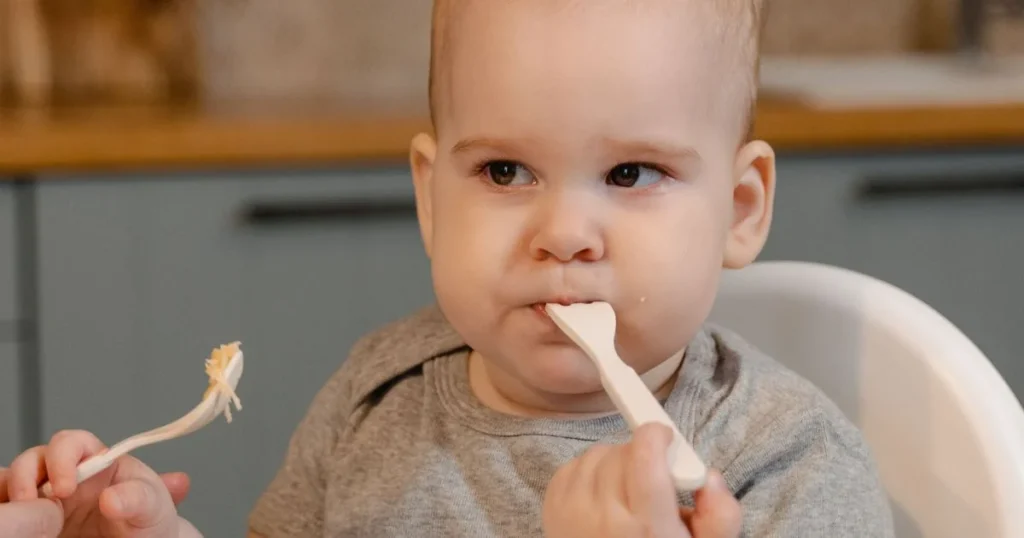
Learning to Drink From a Cup
Around nine months, babies can begin practicing drinking from an open cup with your help. This new skill can support the feeding and independence aspects of 9 month old milestones.
Start with a small amount of water and hold the cup while your baby learns. Spills are completely normal.
Foods to Avoid and Choking Prevention
Food preparation matters as much as food choice when supporting healthy feeding habits and 9 month old milestones.
Avoid common choking hazards, including:
- Whole grapes.
- Whole nuts.
- Popcorn.
- Hard raw vegetables.
- Large chunks of meat.
- Whole hot dogs or sausage rounds.
- Thick spoonfuls of nut butter.
- Hard candies.
Never give honey before your baby turns 12 months.
Always seat your baby upright in a high chair during meals, stay within arm’s reach, and supervise eating closely.
At this stage, introducing suitable textures and foods becomes important, so discover these [baby finger foods] for simple feeding inspiration.
For more guidance on age-appropriate meals, explore this [baby feeding chart by age].
9 Month Old Sleep: Naps and Night Wakings
Sleep patterns may change as your baby becomes more active and develops new skills. These developmental changes are also part of the broader picture of 9 month old milestones.
According to the American Academy of Sleep Medicine, babies aged 4–12 months generally need 12–16 hours of sleep over 24 hours, including naps.
Your baby’s sleep needs continue to change, so check this [8 month sleep schedule] for guidance on age-appropriate routines.
How Many Naps Should a 9 Month Old Take?
Many nine-month-olds take two daytime naps, although individual sleep patterns differ. Changes in sleep may also accompany the physical and cognitive 9 month old milestones your baby is practicing.
Your baby may have:
- A morning nap.
- An afternoon nap.
- A longer stretch of nighttime sleep.
Rather than following a rigid schedule, pay attention to your baby’s tiredness cues and overall sleep needs.
Why Is My 9 Month Old Waking Up at Night?
There are several possible reasons for night waking during the 9 month old milestones stage:
- Separation anxiety.
- New physical skills and increased activity.
- Teething discomfort.
- Changes in daily routines.
- Hunger or illness.
Night waking does not automatically mean something is wrong.
Tips for Supporting Healthy Sleep
- Establish a predictable bedtime routine.
- Keep nighttime interactions calm and comforting.
- Offer age-appropriate daytime naps.
- Maintain a comfortable sleeping environment.
- Follow safe sleep recommendations to support healthy 9 month old milestones.
Always place your baby on their back at the beginning of sleep, on a firm, flat sleep surface without pillows, loose blankets, or soft toys.
You can also explore this complete guide to a [baby nap schedule] to understand how daytime naps change as your baby grows.
Teething and Dental Care at 9 Months
Teething may become more noticeable during this stage of 9 month old milestones. Your baby may drool more, chew on toys, or seem uncomfortable when their gums are sore.
The first teeth often appear during the first year, although timing varies.
Common Signs of Teething
You may notice:
- Increased drooling.
- Chewing on safe objects.
- Tender or swollen gums.
- Temporary irritability.
- Changes in feeding behavior.
These changes may appear alongside other 9 month old milestones as your baby continues to grow and develop.
A clean, cool teething ring or gentle gum massage with a clean finger may help soothe discomfort.
Avoid teething necklaces and numbing gels containing benzocaine or other medications unless specifically advised by a healthcare professional.
How to Care for Your Baby’s First Teeth
Once the first tooth appears, begin brushing twice daily using:
- A soft-bristled baby toothbrush.
- A rice-grain-sized smear of fluoride toothpaste.
- Gentle brushing along the teeth and gumline.
The American Academy of Pediatrics recommends fluoride toothpaste from the appearance of the first tooth. Establishing these healthy habits supports your baby’s oral health as they continue reaching important 9 month old milestones. Arrange dental care according to your local pediatric dental recommendations.
9 Month Old Activities to Encourage Development
You do not need expensive toys or complicated activities to support your baby’s development. Everyday play offers wonderful opportunities to practice new skills and encourage 9 month old milestones.
Here are seven simple activities to try.
1. Play Peekaboo
Hide your face behind your hands, then reveal it with a smile.
This activity encourages interaction, anticipation, and shared attention.
2. Encourage Movement Through Play
Place a favorite toy nearby during supervised floor time. Give your baby opportunities to reach, roll, or move toward it.
3. Read Picture Books Together
Choose sturdy baby books with colorful pictures.
Point to objects, name familiar animals, and make simple sounds. Your baby may respond with smiles, babbling, or reaching.
4. Practice Passing Toys Between Hands
Offer lightweight toys that are easy to grasp. Allow your baby to explore holding and transferring them.
5. Play With Blocks and Containers
Give your baby large, age-appropriate blocks and containers. Let them explore putting toys inside and taking them out.
6. Talk, Sing, and Respond to Babbling
When your baby makes sounds, respond with words and facial expressions. Pause to give them an opportunity to communicate again.
7. Explore Different Textures Safely
Offer safe toys with different textures, such as soft fabric books and textured baby toys.
Stay close and supervise your baby throughout playtime.
Everyday play can encourage exploration and coordination. Discover these [gross motor activities] for more activity inspiration.
9 Month Old Growth: Weight, Height, and Head Circumference
Alongside developmental milestones, parents often wonder whether their baby is growing as expected.
Weight, length, and head circumference are important measurements that pediatricians use to monitor infant growth.
However, there is no single ideal weight or length for every nine-month-old.
Average Weight and Length
Growth patterns differ between boys and girls, and individual babies naturally vary.
Pediatricians use WHO growth standards to compare measurements with reference patterns for children of the same age and sex.
Why Growth Charts Matter
A single measurement does not tell the whole story.
Your pediatrician looks at growth over time, including:
- Weight-for-age.
- Length-for-age.
- Head circumference.
- Changes in your baby’s growth pattern.
If you are concerned about slow weight gain, feeding difficulties, or unusual changes in growth, discuss them with your child’s healthcare provider.
Home Safety and Baby-Proofing at 9 Months
As your baby becomes more curious and mobile, your home needs to become a safer place for exploration as they work toward new 9 month old milestones.
Even if your baby is not crawling yet, preparing your home early can prevent accidents.
Essential Baby-Proofing Tips
- Install safety gates at the top and bottom of stairs.
- Secure heavy furniture, bookcases, and televisions to walls.
- Cover or secure accessible electrical outlets.
- Keep cleaning products and medications locked away.
- Move small objects and choking hazards out of reach.
- Keep window blind cords inaccessible.
- Never leave your baby unattended on a bed, sofa, or changing table.
Car Seat Safety
Use a rear-facing car seat in the back seat. Keep your child rear-facing until they reach the maximum height or weight limit allowed by the car seat manufacturer. Do not switch to forward-facing simply because your baby reaches their first birthday.
9 Month Old Milestones: When Should You Be Concerned?
Every baby develops at their own pace, but it is important to recognize when a developmental concern deserves attention.
The CDC recommends discussing developmental concerns with your child’s doctor rather than waiting and hoping that a skill will appear.
Developmental Signs to Discuss With Your Pediatrician
Consider discussing your baby’s progress if they:
- Do not sit without support.
- Do not get into a sitting position independently.
- Do not make repeated babbling sounds.
- Do not look when their name is called.
- Do not transfer objects between hands.
- Do not look for objects that disappear from sight.
These are examples from the CDC’s nine-month milestone checklist. They are not a diagnosis of developmental delay.
What If Your Baby Loses Previously Acquired Skills?
Loss of a skill your baby previously demonstrated deserves prompt medical attention.
For example, if your baby previously sat independently but can no longer do so, contact your pediatrician.
What Should You Do If You Have Concerns?
You can take practical steps:
- Write down the skills you have noticed and any concerns.
- Share your observations with your pediatrician.
- Ask about a standardized developmental screening.
- Follow recommendations for further assessment or early intervention if needed.
You know your baby best. Trust your instincts and ask questions whenever something concerns you.
Frequently Asked Questions About 9 Month Old Milestones
What are the most important 9 month old milestones?
Important milestones include sitting without support, getting into a sitting position independently, transferring objects between hands, making repeated babbling sounds, looking when their name is called, and searching for dropped objects.
Should my 9 month old be crawling?
Not necessarily. Crawling is not a required CDC nine-month milestone. Some babies crawl, scoot, roll, or develop other movement patterns.
How many words should a 9 month old say?
Your baby does not need to say recognizable words at nine months. Repeated babbling sounds and gestures are important communication skills at this stage.
Can a 9 month old understand their name?
Many babies look when their name is called. This is one of the CDC’s nine-month social and communication milestones.
What should a 9 month old eat in a day?
A nine-month-old can enjoy a variety of soft, safely prepared complementary foods, including vegetables, fruits, eggs, beans, and iron-rich foods, alongside breast milk or infant formula.
How much should a 9 month old sleep?
Babies aged 4–12 months generally need 12–16 hours of sleep in 24 hours, including daytime naps. Individual sleep patterns vary.
Is separation anxiety normal at 9 months?
Yes. Your baby may become clingy, cry when you leave, or show fear around unfamiliar people. These behaviors are common at this age.
What if my baby is not meeting 9 month old milestones?
Discuss your concerns with your pediatrician. Share your observations and ask whether developmental screening or further evaluation is appropriate.
Conclusion: Celebrate Every Little Milestone
Your baby’s ninth month is filled with new discoveries, growing curiosity, and little moments that make you smile. From sitting independently and exploring toys to babbling and discovering new foods, each experience contributes to their development and reflects the exciting journey of 9 month old milestones.
Remember that your baby does not need to master every skill at the same time. Some babies develop certain abilities earlier, while others need more practice. What matters is providing a safe, loving environment where your little one can explore and learn.
Keep talking, playing, reading, and celebrating those small achievements. And if you have concerns about your baby’s progress, your pediatrician is there to help.
At Parenting Whisper, we believe every baby’s journey deserves patience, encouragement, and support—not comparison.
Have you noticed a new skill or adorable habit in your nine-month-old lately? Share your experience in the comments. Your story might reassure another parent going through the same stage. Help.