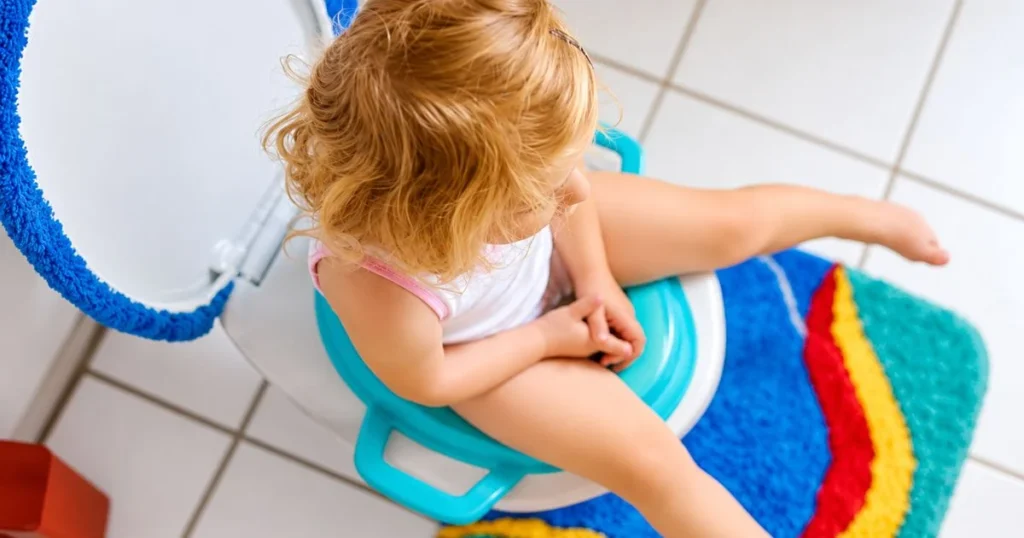
Potty training your little girl can be an exciting milestone. You may be looking forward to the day she no longer needs diapers, chooses her favorite underwear, and confidently tells you when she needs to use the bathroom. But getting there isn’t always as simple as you imagined.
Some days, your daughter may happily sit on the potty. On other days, she might refuse to go, have several accidents, or become upset when you suggest using the toilet. You may even wonder whether you’re doing something wrong.
If this sounds familiar, take a breath. Learning to use the potty is a new skill, and your daughter needs time to understand her body’s signals, build confidence, and become comfortable with the routine.
When it comes to potty training girls, small mistakes can sometimes make the process more frustrating than it needs to be. Starting before your child is ready, reacting negatively to accidents, or creating a routine that feels too demanding can affect her willingness to participate.
The good news is that you can make potty training girls easier by understanding what your daughter needs and adjusting your approach along the way.
Let’s look at the most common potty training mistakes parents make with girls and how you can avoid them.
Best Amazon Picks :
- Potty Training Toilet for Toddlers, 2-in-1 Potty Training seat, Anti-Slip
- Potty Training Seat, Toddler Toilet Seat for Kids Boys Girls, 2 in1 Potty Training Toilet with Step Stool, 6 Adjustable Height, Splash Guard, Stable Triangular Anti-Slip Design(Grey)
- COOSEYA Toilet Seat, Potty Training Seat for Toddler, Upgraded 2-in-1 Potty Toilet Training for Boys and Girls, Waterproof Cushioned Mat with Non-Slip Step Stool
- Potty Training Seat, Upgrade 2 in 1 Potty Training Toilet for Toddler, Toddler Toilet Seat for Boys Girls with Support Bar, Anti-Slip Pad and Step Stool (Pink)
- MooMoo Baby Potty Training Pants Cotton Training Underwear for Boy and Girl
Starting Potty Training Before Your Girl Is Ready
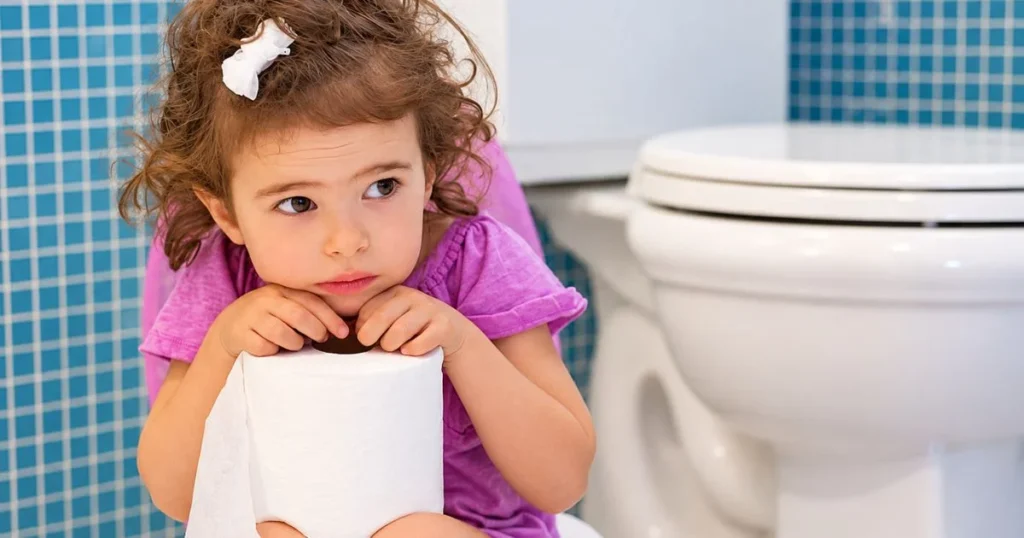
One of the most common mistakes parents make is starting potty training girls because they believe their daughter has reached the right age.
Although age can provide a general indication, it doesn’t tell you whether your child is physically, emotionally, and developmentally ready.
Some toddlers show interest in the potty relatively early, while others need more time. Starting potty training girls before your daughter can recognize or communicate her bathroom needs may lead to unnecessary frustration.
Signs Your Daughter May Be Ready for Potty Training
InInstead of focusing only on her age, pay attention to changes in her behavior.
Your little girl may be showing signs of readiness for potty training girls when she:
- Stays dry for longer periods: Her diaper remains dry for approximately two hours or after a nap.
- Recognizes bathroom needs: She tells you when she needs to pee or poop, or shows signs that she is about to go.
- Shows interest in the toilet: She watches family members use the bathroom or asks questions about the potty.
- Dislikes wet or dirty diapers: She wants you to change her after using her diaper.
- Follows simple instructions: She understands basic directions, such as sitting down or pulling her pants up.
- Shows growing independence: She wants to dress herself or choose her own underwear.
Your daughter doesn’t need to show every sign before you introduce the potty. These behaviors simply help you understand whether she may be ready to begin potty training girls.
How to Avoid This Mistake
Give your daughter opportunities to become familiar with the potty without expecting immediate results during potty training girls.
You can place a potty chair in the bathroom, explain what it’s used for, and allow her to explore it at her own pace.
If she consistently becomes distressed or strongly resists using it, consider whether she needs more time.
The goal is to help her develop confidence, not meet a deadline.
Expecting Potty Training to Happen Too Quickly
You might hope that your daughter will understand everything after a few successful potty visits. However, potty training girls involves learning several skills that develop gradually.
Your toddler needs to recognize the feeling of a full bladder, understand what that sensation means, communicate her needs, and reach the potty in time.
These skills don’t always develop together.
She may successfully pee in the potty one morning and have an accident later that afternoon. This doesn’t mean she has forgotten everything she learned.
Why Every Child Learns at a Different Pace
Several factors can influence how quickly your daughter becomes comfortable with potty training girls:
- Her developmental readiness.
- Her ability to recognize and communicate bodily signals.
- Her confidence using the toilet.
- Her daily routine and environment.
- Whether she experiences constipation or discomfort.
Daytime toilet learning also differs from nighttime dryness, which depends on additional developmental and physiological factors.
How to Avoid This Mistake
Try to focus on progress rather than speed during potty training girls.
For example, if your daughter tells you she needs the potty but doesn’t reach it in time, recognize that she has made an important step.
You can say:
“Thank you for telling me. Next time, we’ll try to get to the potty together.”
Give her opportunities to practice, and avoid expecting every attempt to be successful.
Comparing Your Daughter With Other Children
Perhaps your friend’s daughter stopped wearing diapers several months ago, or your older child learned potty training girls much faster.
It’s natural to notice these differences, but comparing your daughter with other children can create unnecessary pressure.
Even children growing up in the same household may develop potty-training skills at different rates.
Your daughter may need more time to feel comfortable sitting on the toilet, while another child may become interested almost immediately.
Neither experience means one child is doing better than the other.
How to Avoid This Mistake
Focus on your daughter’s individual progress during potty training girls.
Instead of asking whether she is learning as quickly as other children, notice the small changes happening in her own development.
Perhaps she is now telling you when her diaper is wet, sitting on the potty willingly, or beginning to recognize when she needs to poop.
These are meaningful steps worth celebrating.
Remember, your daughter doesn’t need to follow another child’s timeline to learn successfully.
Choosing the Wrong Potty or Uncomfortable Clothing
Sometimes, potty training girls becomes difficult because the bathroom setup isn’t comfortable for your toddler.
Imagine being asked to sit on a large toilet with your feet dangling above the floor. Your daughter may feel unstable or afraid, making her less willing to try again.
The equipment you choose and the clothes she wears can make a noticeable difference.
Choosing Between a Potty Chair and a Toilet Seat Reducer
You generally have two practical options:
- A child-sized potty chair: It sits close to the floor and allows your daughter to place her feet comfortably.
- A toilet seat reducer: It fits over a regular toilet seat and should be paired with a sturdy footstool.
Both options can work. The important thing is making sure your daughter feels secure and comfortable.
Choose Clothing That Is Easy to Remove
During the early stages of potty training girls, complicated clothing can make bathroom visits more difficult.
Choose:
- Elastic-waist pants.
- Comfortable leggings.
- Loose-fitting shorts.
- Underwear she can pull down easily.
Avoid complicated buttons, tight clothing, and outfits that take too long to remove.
How to Avoid This Mistake
During potty training girls, let your daughter become familiar with the potty before expecting her to use it regularly.
You can also allow her to choose her favorite underwear or decorate her potty chair with stickers.
Small choices help her feel involved and more comfortable with the new routine.
Not Teaching Proper Wiping and Bathroom Hygiene
Teaching your daughter healthy habits during potty training girls involves more than learning where to pee and poop.
She also needs to develop healthy bathroom habits that will help her stay clean and comfortable.
One important skill is learning how to wipe properly.
Teach Her to Wipe From Front to Back
During potty training girls, teach your daughter to wipe from front to back after using the toilet.
This helps prevent bacteria from the anal area from spreading toward the urinary opening, reducing the risk of infection.
You can help your daughter learn by:
- Explaining the direction of wiping in simple words.
- Showing her how to reach comfortably.
- Encouraging her to use clean toilet paper.
- Supervising until she can manage the process more independently.
For younger toddlers, you may need to help with wiping for some time.
Don’t expect her to master this skill immediately.
Teach Her to Wash Her Hands
During potty training girls, handwashing should become part of every bathroom visit.
Show your daughter how to:
- Wet her hands with clean running water.
- Apply soap.
- Rub her palms and the backs of her hands.
- Clean between her fingers.
- Rinse thoroughly.
- Dry her hands with a clean towel.
How to Avoid This Mistake
Use the same simple instructions every time during potty training girls.
For example, you can say, “Wipe from front to back, then wash your hands.”
With repetition and gentle supervision, your daughter will gradually become more independent.
Forcing Your Daughter to Sit on the Potty
You may think that asking your daughter to sit on the potty every few minutes during potty training girls will help her learn faster.
However, constantly reminding her or insisting that she sit down can turn bathroom visits into an unpleasant experience.
Some toddlers become resistant when they feel that using the potty is something they must do rather than a skill they are learning.
Why Pressure Can Create Toilet Resistance
During potty training girls, your daughter may:
- Refuse to enter the bathroom.
- Cry when you suggest using the potty.
- Get up immediately after sitting down.
- Hide when she needs to poop.
- Become upset when you interrupt her playtime.
These reactions don’t necessarily mean she isn’t ready. She may simply need a more relaxed approach.
How to Create a Gentle Potty Routine
During potty training girls, offer predictable opportunities throughout the day.
For example, you can suggest using the potty:
- After waking up.
- After breakfast or other meals.
- Before leaving the house.
- Before naps.
- Before bedtime.
Keep visits short and relaxed. If your daughter doesn’t need to go, allow her to get up.
How to Avoid This Mistake
During potty training girls, use gentle reminders rather than repeated demands.
You might say:
“Would you like to try the potty before we go outside?”
This gives your daughter an opportunity to participate without feeling pressured.
Punishing or Scolding Her for Potty Accidents
Accidents can be frustrating during potty training girls, especially when you feel that your daughter has already learned to use the potty.
However, reacting with anger or disappointment can make her feel embarrassed or anxious about something that is still new to her.
Your daughter isn’t having an accident to upset you. She is learning to recognize her body’s signals and respond to them.
What Should You Say When Your Daughter Has an Accident?
Your reaction can help her feel safe enough to keep practicing.
| Avoid saying | Try saying instead |
| “Why didn’t you use the potty?” | “That’s okay. Accidents happen.” |
| “You’re too big for diapers!” | “You’re learning something new.” |
| “You made a mess again!” | “Let’s clean up together.” |
| “You should know better.” | “Next time, we can try the potty.” |
How to Avoid This Mistake
When an accident happens:
- Stay calm and avoid showing disappointment.
- Help your daughter change into clean clothes.
- Explain that she can try the potty again next time.
- Continue with your normal routine.
You can also encourage her to tell you when she feels the need to go.
The more comfortable she feels discussing bathroom needs, the easier it becomes for you to support her.
Relying Too Much on Rewards and Treats
Many parents use stickers, sweets, or small gifts to encourage successful potty visits during potty training girls.
Rewards can be motivating for some toddlers, but they shouldn’t become the main reason your daughter uses the toilet.
If she expects a treat every time she sits on the potty, she may become more interested in the reward than in learning the skill itself.
Better Ways to Encourage Your Daughter
Positive attention can be just as meaningful during potty training girls.
You can:
- Praise her for telling you when she needs the potty.
- Celebrate her attempts, even when nothing happens.
- Read a favorite story together.
- Let her choose her underwear.
- Encourage her to pull up her pants independently.
- Recognize her efforts with a smile and a hug.
For example, say:
“You remembered to tell me you needed the potty. That’s wonderful!”
How to Avoid This Mistake
During potty training girls, keep rewards simple and optional.
If your daughter enjoys sticker charts, you can use one to celebrate progress. However, avoid making her feel that she has disappointed you when she doesn’t earn a sticker.
The most important reward is helping her feel proud of what she is learning.
Ignoring Your Daughter’s Fear of the Toilet
Some toddlers refuse to use the potty during potty training girls even when they show other signs of readiness.
Your daughter may be afraid of the flushing sound, uncomfortable sitting on an unfamiliar toilet, or worried about falling inside.
For others, the bathroom simply feels unfamiliar.
Understanding the reason behind her fear is more helpful than repeatedly asking her to try.
Common Reasons Girls May Be Afraid of the Potty
- The toilet looks too large.
- She dislikes the sound of flushing.
- She feels unstable when sitting.
- She is uncomfortable being alone.
- She has previously experienced a painful bowel movement.
How to Help Your Daughter Feel Comfortable
Introduce the bathroom gradually.
You might begin by:
- Letting her explore the bathroom with you.
- Showing her the potty chair without asking her to use it.
- Allowing her to sit fully clothed if she wants to.
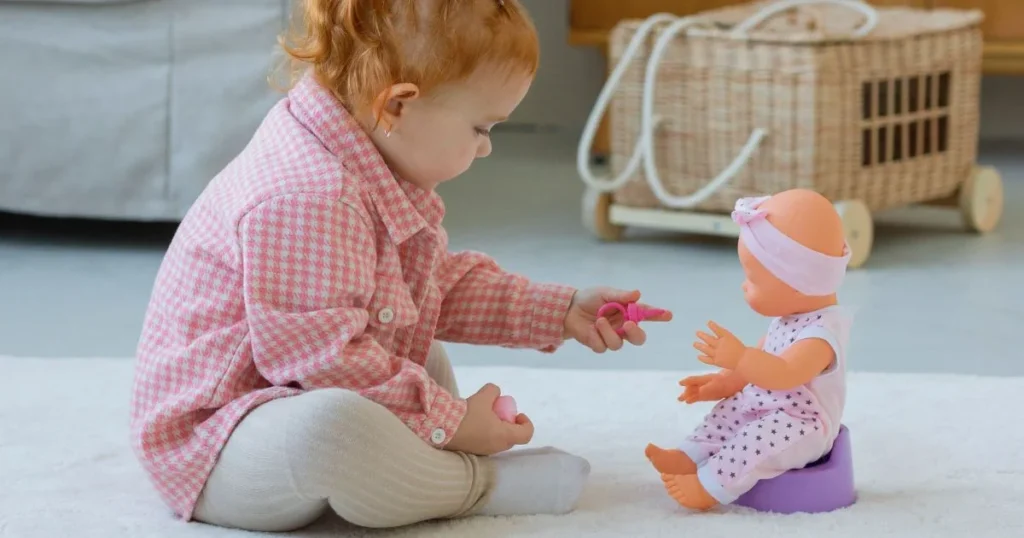
- Using a favorite doll to demonstrate the routine.
- Providing reassurance while she practices.
Never force her to sit on the toilet when she is frightened.
How to Avoid This Mistake
Give your daughter time to become familiar with each step.
If she becomes uncomfortable, pause and try again later.
Building confidence is more important than completing the routine quickly.
Ignoring Constipation or Painful Bowel Movements
Sometimes, what looks like resistance during potty training girls is actually physical discomfort.
Constipation is common during childhood and can become particularly challenging when toddlers are learning to use the toilet.
If your daughter experiences a painful bowel movement, she may begin avoiding the potty because she associates it with discomfort.
This can lead to stool withholding, which may make constipation worse.
Signs Your Daughter May Be Constipated
Watch for:
- Hard, dry, or pellet-like stools.
- Pain or straining during bowel movements.
- Fewer bowel movements than usual.
- Hiding or stiffening her body when she needs to poop.
- Stomach discomfort or bloating.
- Avoiding the potty when she needs to have a bowel movement.
How to Avoid This Mistake
Help your daughter develop comfortable bathroom habits.
You can:
- Offer water regularly throughout the day.
- Include fiber-rich foods such as pears, apples, vegetables, beans, and oats.
- Encourage active play and movement.
- Provide a footstool so her feet are supported while sitting.
- Offer relaxed opportunities to use the bathroom after meals.
If your daughter has persistent constipation or painful bowel movements, contact her pediatrician.
Don’t give laxatives or other constipation medication without medical guidance.
Addressing constipation early can make potty training more comfortable and prevent a difficult cycle of pain and withholding.
Switching Potty-Training Methods or Caregivers Too Often
Consistency helps your daughter understand what is expected during potty training girls.
However, if she hears different instructions from you, another parent, grandparents, or daycare staff, the routine may become less predictable.
For example, you may encourage her to use the potty before leaving home, while another caregiver waits until she asks.
Different approaches aren’t necessarily harmful, but having a shared routine can make learning easier.
Why Consistency Matters
Your daughter benefits from:
- Familiar bathroom words.
- Similar expectations at home and daycare.
- Calm responses to accidents.
- Regular opportunities to use the potty.
- Consistent hygiene instructions.
How to Avoid This Mistake
Talk with everyone involved in your daughter’s care.
Agree on a simple plan that explains:
- When to offer potty breaks.
- What words to use for bathroom activities.
- How to respond to accidents.
- How to help with wiping and handwashing.
- How to encourage your daughter without pressure.
You don’t need a complicated schedule. A few shared habits can make the experience more predictable.
Expecting Nighttime Dryness Too Soon
One common misunderstanding about potty training girls is assuming that daytime success means your daughter should immediately stop wearing diapers at night.
However, staying dry while awake and staying dry during sleep involve different developmental processes.
Some children become comfortable using the toilet during the day but continue wetting their diapers or beds at night.
This is normal and doesn’t mean daytime potty training has failed.
Why Nighttime Potty Training Is Different
Nighttime dryness depends on factors such as bladder development, nighttime urine production, and the ability to wake up when the bladder is full.
Your daughter cannot always control these processes consciously.
How to Support Nighttime Dryness
You can help by:
- Encouraging her to use the potty before bedtime.
- Keeping the bathroom accessible.
- Using waterproof mattress protection.
- Maintaining normal hydration throughout the day.
- Responding calmly when nighttime accidents happen.
There is no need to restrict her normal fluid intake after a particular hour to prevent bedwetting.
How to Avoid This Mistake
Continue using nighttime diapers or training pants while your daughter is learning daytime toilet skills during potty training girls.
When she regularly wakes up with a dry diaper, you can consider trying nighttime underwear if she is comfortable.
Remember that nighttime dryness often develops naturally over time rather than through a separate training schedule.
What to Do When Potty Training Your Girl Isn’t Working
Even when you follow a gentle approach to potty training girls, you may experience days when your daughter refuses the potty or seems to lose interest.
Instead of assuming that you need a completely different method, take a moment to understand what might be making the process difficult.
Identify What’s Making Potty Training Difficult
Ask yourself:
- Is my daughter showing signs of readiness?
- Does she feel comfortable sitting on the potty?
- Is she afraid of using the toilet?
- Could constipation be making bowel movements painful?
- Have there been recent changes in her routine?
- Am I offering too many reminders?
Identifying the problem can help you choose a more appropriate response.
When Should You Take a Break From Potty Training?
If your daughter becomes consistently distressed during potty training girls or bathroom visits turn into daily struggles, a temporary pause may help.
During this time:
- Stop insisting that she sit on the potty.
- Keep the potty visible and accessible.
- Continue talking about bathroom habits naturally.
- Avoid criticizing her for wearing diapers again.
- Reintroduce potty practice when she seems more comfortable.
A break isn’t a failure. Sometimes, taking pressure away gives your daughter the space she needs to become interested again.
When Should You Contact Your Pediatrician?
Some potty training girls difficulties may be connected to physical health concerns.
Speak with your daughter’s pediatrician if you notice:
- Pain or burning when she urinates.
- Frequent or sudden urgency to pee.
- Blood in her urine.
- Persistent constipation or painful bowel movements.
- New daytime accidents after a period of established dryness, especially with other symptoms.
These symptoms shouldn’t automatically be attributed to potty-training difficulties. A healthcare professional can help determine whether an underlying problem needs attention.
Frequently Asked Questions About Potty Training Girls
What Is the Best Age to Start Potty Training Girls?
There isn’t one perfect age for every child. Many toddlers begin learning between 18 months and 3 years, although readiness varies. Rather than following a strict deadline, observe your daughter’s behavior, communication skills, and ability to participate in simple bathroom routines.
Is Potty Training Girls Easier Than Potty Training Boys?
Some research has found that girls may acquire certain toilet-training skills earlier than boys. However, individual differences are important. Your daughter’s readiness, temperament, comfort, and daily routine matter more than assumptions based on gender.
How Long Does It Take to Potty Train a Girl?
The process varies from child to child. Some girls learn basic daytime toilet skills relatively quickly, while others need several months of practice. Nighttime dryness may take longer. Focus on steady progress instead of expecting your daughter to complete every stage within a particular timeframe.
How Do You Teach a Little Girl to Wipe Properly?
Teach your daughter to wipe from front to back after using the toilet. Show her how to reach comfortably, use clean toilet paper, and avoid wiping from back to front. Supervise her until she can manage the process safely and confidently.
What Should You Do If Your Daughter Refuses to Use the Potty?
First, try to understand why she is refusing. She may be frightened, uncomfortable, distracted, or simply not ready. Reduce pressure, make the bathroom inviting, and offer opportunities without forcing her to sit. If she becomes consistently distressed, consider taking a temporary break.
Should Girls Use a Potty Chair or a Toilet Seat Reducer?
Both can work well. A potty chair may feel less intimidating because it is designed for toddlers. A toilet seat reducer is another option, provided you use a stable footstool so your daughter can support her feet. Choose whichever option makes her feel secure.
Is It Normal for a Potty-Trained Girl to Have Accidents?
Yes. Occasional accidents can happen even after your daughter has learned to use the potty. Changes in routine, illness, distraction, and constipation may contribute. Respond calmly, but consult her pediatrician if accidents begin suddenly or are accompanied by pain or urinary symptoms.
Should You Use Rewards When Potty Training Your Daughter?
You can use simple rewards if your daughter enjoys them, but they aren’t necessary for every child. Verbal encouragement, positive attention, and celebrating small achievements can also help build confidence. Avoid making rewards a condition for using the toilet.
How Do You Know If Your Daughter Has a UTI During Potty Training?
Possible symptoms include pain or burning during urination, frequent urination, sudden urgency, and changes in usual bathroom habits. Some children may also develop fever or abdominal discomfort. If you suspect a urinary tract infection, contact her healthcare professional for assessment.
When Should Girls Stop Wearing Diapers at Night?
There is no universal age or deadline. Nighttime dryness often develops after daytime toilet learning and depends on physical development. If your daughter regularly wakes up dry and feels comfortable trying underwear at night, you can consider making the transition. Otherwise, nighttime diapers or training pants are perfectly reasonable.
Conclusion: Potty Training Girls Takes Patience, Not Perfection
Potty training girls is a learning experience for both of you. There may be successful mornings, unexpected accidents, moments of resistance, and days when progress seems slower than you hoped.
That’s all part of the process.
By avoiding common mistakes such as starting too early, creating unnecessary pressure, reacting negatively to accidents, or overlooking physical discomfort, you can make the experience more positive for your little girl.
Remember to pay attention to her readiness, keep bathroom routines simple, teach proper hygiene, and celebrate the small steps she takes toward independence.
Most importantly, let your daughter know that she doesn’t have to get everything right the first time. She can learn at her own pace, with your patience and encouragement along the way.
At Parenting Whisper, we believe that every parenting milestone deserves patience, understanding, and support. If you’re navigating potty training right now, explore our other gentle parenting guides for practical ideas to support your toddler’s growing independence. And remember, you’re not alone in this journey.
References and Further Reading
- American Academy of Pediatrics – Potty Training: 12 Tips to Keep the Process Positive
- NHS – Potty Training Your Child
- NHS – Constipation in Children
- National Institute of Diabetes and Digestive and Kidney Diseases – Constipation in Children
- American Academy of Pediatrics – Bedwetting: 3 Common Reasons and What Families Can Do
This article provides general parenting information and is not a substitute for individualized medical advice. Consult your child’s healthcare professional about persistent symptoms or concerns.