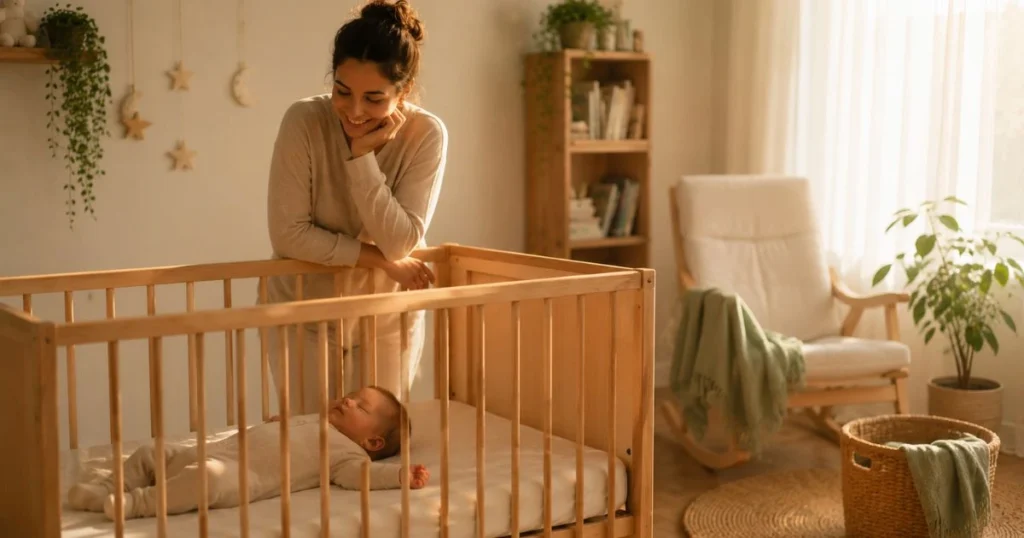

Watching your toddler grow from a little baby into an increasingly independent child is an experience filled with surprises. At 18 months, you may notice new words appearing, little feet moving more confidently, and a growing desire to do things without your help. Even everyday activities, such as eating with a spoon or putting toys away, can become exciting opportunities to learn.
This stage also comes with its challenges. Your toddler may become frustrated when something does not go as planned, resist your help, or struggle when you leave the room. You might find yourself wondering whether these behaviors and new abilities are part of typical development.
Understanding the 18 month milestones can help you recognize your child’s progress and discover simple ways to encourage learning. These 18 month milestones cover everything from physical and language development to emotional growth, helping you understand what to expect and how to support your toddler during this important stage.
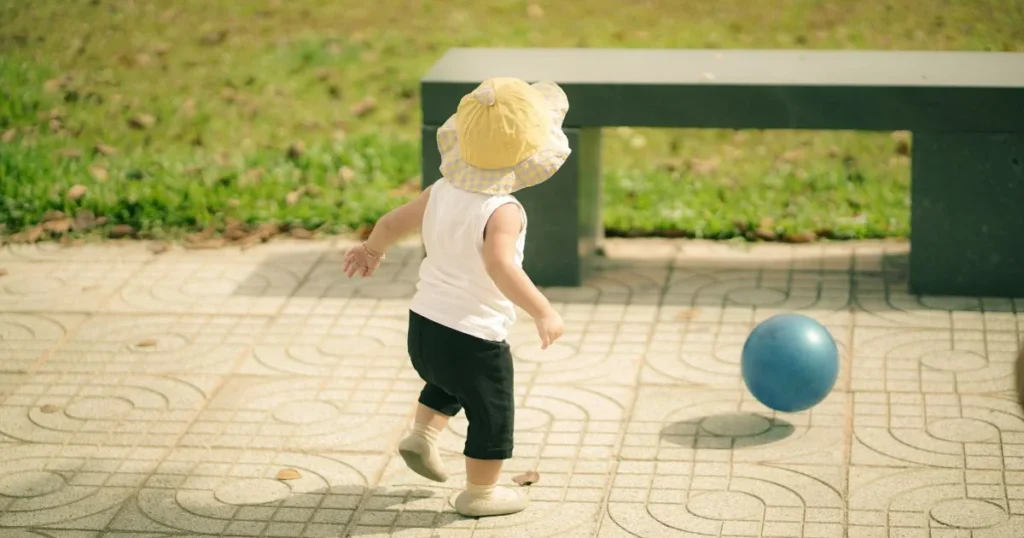
Understanding the Important 18 Month Milestones
Development at 18 months involves several skills that help your toddler communicate, explore the environment, interact with others, and become more independent. Understanding the 18 month milestones can help you recognize these changes as your child grows. Although children develop at different rates, these 18 month milestones offer helpful guidance about the skills many toddlers are learning at this age.
What Are Developmental Milestones?
Developmental milestones are skills that children typically develop as they grow. Understanding the 18 month milestones means looking at four main areas of development:
- Physical development: Walking, climbing, balancing, and using hands to explore objects.
- Language development: Learning words, understanding instructions, and communicating through gestures.
- Cognitive development: Remembering familiar routines, imitating actions, and solving simple problems.
- Social-emotional development: Expressing feelings, interacting with caregivers, and developing independence.
These areas are connected, and the 18 month milestones often involve more than one skill at a time. For example, when your toddler points toward a favorite toy, they are using communication skills while also showing curiosity and social engagement.
How to Understand the CDC 18-Month Milestone Checklist
The Centers for Disease Control and Prevention (CDC) provides developmental milestone checklists to help parents and healthcare professionals monitor children’s progress and understand the 18 month milestones.
The CDC milestones describe skills that at least 75% of children can do by a particular age. This means the 18 month milestones are useful developmental benchmarks, not requirements that every child must meet on an exact date.
If your toddler has not reached a particular milestone, it does not automatically mean there is a developmental problem. However, discussing your concerns with your pediatrician is important. Developmental screening can help identify whether additional support or evaluation may be needed.
If your child was born prematurely, your healthcare provider may also consider corrected age when interpreting early developmental progress.
Physical and Motor Skill Development at 18 Months
One of the most noticeable changes among the 18 month milestones is how much more actively your toddler explores the world. Walking may become more confident, climbing becomes interesting, and little hands become increasingly useful during play and everyday activities. These physical changes are an important part of your toddler’s growing independence and development.
Gross Motor Skills: Walking, Climbing, and Balance
By 18 months, many toddlers are becoming more comfortable moving around independently, which is an important part of the 18 month milestones. You may notice your child:
- Walking without holding onto furniture or another person.
- Squatting to pick up a toy and standing again.
- Climbing on and off a couch or chair.
- Carrying toys while walking.
- Exploring different surfaces and spaces.
Some toddlers may also begin running, although their movements can look unsteady. Climbing stairs with assistance may become another interesting challenge as your child develops new physical abilities.
Remember that running and stair climbing are additional examples of developing movement skills, not requirements on the CDC 18-month checklist.

Fine Motor Skills: Developing Hand and Finger Coordination
Fine motor development involves the small muscles in your toddler’s hands and fingers. These skills help with eating, playing, drawing, and eventAs part of the 18 month milestones, your toddler’s hand and finger coordination continues to develop. At this age, your toddler may begin to:
- Scribble spontaneously with crayons.
- Pick up small pieces of food using their fingers.
- Try to use a spoon during meals.
- Turn pages of a board book.
- Explore stacking blocks and simple toys.
You may notice that your child wants to hold the spoon independently, even when much of the food ends up on the table. This is a normal opportunity to practice coordination and develop greater independence.
Physical Growth and Changes at 18 Months
As you follow the 18 month milestones, remember that your toddler continues growing during the second year, although growth generally slows compared with infancy.
Your pediatrician can monitor height, weight, and overall growth using age-appropriate growth charts. Rather than focusing on a particular number of pounds or inches gained, look at your child’s growth pattern over time.
You may also notice changes in your toddler’s teeth. Primary molars and canine teeth commonly erupt during this period, although timing varies between children.
The soft spot on top of your child’s head, known as the anterior fontanelle, may also close during this general period. Its closure timing varies and is not an 18 month milestones developmental requirement.
How to Encourage Physical Development at 18 Months
You do not need complicated equipment to support your toddler’s physical development and encourage progress through the 18 month milestones. Everyday play offers plenty of opportunities to practice movement and coordination.
Try these activities:
- Stacking blocks: Encourage your toddler to build and knock down a small tower.
- Rolling a ball: Sit opposite your child and gently roll a soft ball back and forth.
- Scribbling: Offer large, age-appropriate crayons and paper while supervising closely.
- Walking practice: Create a safe space where your toddler can walk and explore.
- Picking up toys: Encourage your child to squat, collect objects, and place them in a basket.
These simple activities support coordination while helping your toddler develop physical skills associated with the 18 month milestones and giving them opportunities to explore independently.
Speech, Language, and Communication Milestones at 18 Months
As part of the 18 month milestones, your toddler may be discovering that words, gestures, and sounds can help communicate wants and feelings. Some children begin using several familiar words, while others rely heavily on pointing, facial expressions, and sounds alongside their emerging vocabulary.
Expressive Language: How Many Words Should an 18-Month-Old Say?
According to the CDC, one of the important 18 month milestones in language development is trying to say three or more words besides “mama” or “dada.”
These words do not need to sound perfectly clear. Your toddler might use a simplified version of a familiar word, and you may understand what they mean because you recognize the situation.
For example:
- Saying “ba” when asking for a ball.
- Saying “up” when wanting to be picked up.
- Using “more” during mealtimes.
- Naming a familiar pet or favorite toy.
Children develop vocabulary at different rates, so avoid comparing your toddler’s word count with another child’s. Focus on your child’s overall communication progress as you follow the 18 month milestones.
Receptive Language: Understanding Words and Instructions
Understanding language is another important part of the 18 month milestones. Your toddler may understand more than they can express verbally.
At 18 months, the CDC identifies following a one-step direction without gestures as a language milestone.
For example, you might say, “Give me the ball,” and your toddler understands what you are asking without needing you to point toward it.
Other signs of growing understanding include:
- Recognizing familiar objects.
- Understanding everyday words.
- Responding to simple requests.
- Recognizing familiar people and activities.
These developing skills show how your toddler’s receptive language is growing alongside their ability to communicate through words and gestures.
Gestures and Nonverbal Communication
Communication does not depend on spoken words alone. As part of the 18 month milestones, your toddler may use gestures to share interests, express needs, and interact with you.
Watch for behaviors such as:
- Pointing toward something interesting.
- Waving goodbye.
- Reaching toward a desired object.
- Using facial expressions to show excitement.
- Bringing toys or objects to you.
Pointing to show you something interesting is specifically included in the CDC 18-month checklist and is an important part of the 18 month milestones related to communication and social interaction.
How to Encourage Language Development
Supporting language development is an important way to encourage progress through the 18 month milestones. Your everyday conversations can make a meaningful difference in your toddler’s language learning.
Here are some simple ways to encourage communication:
- Read together: Choose picture books and name the objects you see.
- Describe daily activities: Talk about getting dressed, preparing meals, or going outside.
- Repeat familiar words: If your toddler says “car,” respond with “Yes, that’s a red car!”
- Sing songs: Repeating simple songs helps your child become familiar with sounds and words.
- Give your toddler time: Pause after asking a question so your child has an opportunity to respond.
- Respond to gestures: If your toddler points toward a cup, name it and respond to their request.
These interactions help your toddler connect sounds, words, and meaning while supporting the language and communication skills associated with the 18 month milestones, without turning everyday communication into a lesson.

Cognitive Development and Play Skills at 18 Months
Cognitive development is another important part of the 18 month milestones. At this age, your toddler is becoming a little explorer. Everyday objects can turn into exciting discoveries, and simple activities often involve much more learning than you might expect.
Your child may repeat an action several times, experiment with toys, or watch you carefully before attempting to copy what you do. These experiences help develop memory, problem-solving, and early thinking skills.
Problem-Solving and Exploration
Problem-solving and exploration are important aspects of the 18 month milestones. Toddlers learn by experimenting with the world around them. You may notice your child:
- Trying different ways to reach a favorite toy.
- Putting objects inside containers and taking them out.
- Pushing, pulling, and moving toys to see what happens.
- Repeating activities that produce an interesting result.
- Exploring how everyday objects work.
For example, your toddler might place a toy inside a box, turn the box upside down, and then try to retrieve the toy. Although this looks like simple play, your child is exploring cause and effect and developing thinking skills associated with the 18 month milestones.
Memory and Imitation
Memory and imitation are important parts of the 18 month milestones. Memory develops through familiar experiences and repetition. Your toddler may begin to recognize daily routines and remember where favorite objects are kept.
You might also notice your child copying activities you perform regularly, such as:
- Pretending to sweep the floor.
- Wiping a table with a cloth.
- Holding a toy telephone near the ear.
- Copying simple household movements.
- Repeating actions from familiar songs or games.
Imitation is particularly valuable because it gives your toddler opportunities to learn by watching you, strengthening the cognitive skills associated with the 18 month milestones.
Pretend Play and Early Imagination
Simple prePretend play may become more noticeable as part of the 18 month milestones. Your toddler might pretend to feed a doll, push a toy car, or imitate making a phone call.
These activities encourage imagination and help children explore familiar experiences while developing early thinking and social skills.
You can support this type of play by offering:
- Dolls and stuffed animals.
- Toy kitchen utensils.
- Toy cars and large building blocks.
- Picture books with familiar objects.
You do not need to show your toddler exactly how to use every toy. Give them time to explore and discover their own ways to play as they develop skills related to the 18 month milestones.
Activities to Encourage Cognitive Development
Try these easy activities at home to encourage cognitive development and support the 18 month milestones:
- Shape sorting: Help your toddler explore which shapes fit into different openings.
- Hide-and-find games: Hide a familiar toy under a cloth and encourage your child to find it.
- Stacking blocks: Build a small tower together and let your toddler knock it down.
- Filling and emptying: Provide large, safe containers and objects that are too large to swallow.
- Picture books: Point to familiar animals, objects, and people and name them together.
The goal is not to teach your toddler complicated skills. Instead, give them opportunities to explore, repeat, and enjoy learning while developing abilities associated with the 18 month milestones.
Social and Emotional Development at 18 Months
Social and emotional development is another important part of the 18 month milestones. Your toddler’s personality may become increasingly noticeable around this age. You may see stronger preferences, more affection, and a growing desire to make independent choices.
At the same time, your child is still learning how to manage emotions. This can make everyday situations, such as leaving the playground or getting dressed, more challenging. These experiences are a normal part of learning independence and emotional regulation.
Growing Independence and Stronger Preferences
Growing independence is one of the noticeable changes among the 18 month milestones. You may hear “no” more frequently or notice your toddler trying to complete tasks without your assistance.
For example, your child might:
- Insist on holding the spoon during meals.
- Choose a favorite book or toy.
- Resist help when putting on clothes.
- Become frustrated when a toy does not work.
- Want to walk instead of being carried.
These behaviors are part of growing independence. Your toddler is discovering personal preferences but does not yet have the emotional or communication skills to manage every situation.
You can encourage independence by offering two simple choices, such as, “Would you like the blue cup or the green cup?” This supports decision-making while encouraging the social-emotional skills associated with the 18 month milestones.
Separation Anxiety and Emotional Attachment
YourSeparation anxiety can be another part of the 18 month milestones. Your toddler may become upset when you leave the room or move away during playtime.
This can happen because familiar caregivers provide comfort and security. Your child may want to explore independently but still check that you are nearby.
To make separations easier:
- Keep goodbyes calm and predictable.
- Explain when you are leaving using simple words.
- Offer comfort when your toddler becomes upset.
- Maintain familiar routines.
- Avoid disappearing without saying goodbye whenever possible.
Some children experience separation anxiety more strongly than others. The intensity can also change over time as your toddler develops emotional security and independence.
Understanding and Expressing Emotions
Emotional development is an important part of the 18 month milestones. At this age, toddlers experience many emotions but have limited ways to express them.
Your child may show excitement through laughter, frustration through crying, or affection through hugs and kisses.
Tantrums can also occur when your toddler feels tired, hungry, overwhelmed, or unable to communicate a need.
Rather than expecting your child to calm down independently, help them understand what they are feeling.
For example, you might say:
- “You’re upset because the toy fell.”
- “You wanted to keep playing.”
- “I know you’re frustrated. I’m here to help.”
Using simple emotional language helps your toddler gradually connect feelings with words while supporting the social-emotional development associated with the 18 month milestones.
Early Social Skills and Interaction With Other Children
Social interaction is another aspect of the 18 month milestones. Your toddler may enjoy watching other children, copying their actions, or playing near them.
At this age, children often engage in parallel play, meaning they play alongside other children without necessarily sharing the same activity.
You can encourage positive social experiences by:
- Arranging short play opportunities with familiar children.
- Playing simple turn-taking games.
- Modeling gentle behavior.
- Offering toys that children can explore together.
- Avoiding pressure to share before your toddler is ready.
These experiences help your toddler gradually develop social awareness and interaction skills as part of the 18 month milestones.
How to Support Social and Emotional Development
Supporting emotional growth is an important part of the 18 month milestones. Your response to your toddler’s emotions helps create a sense of security and encourages healthy emotional development.
Try to:
- Acknowledge feelings: Recognize your toddler’s emotions instead of dismissing them.
- Maintain predictable routines: Familiar daily activities can help your child feel secure.
- Offer comfort: Provide reassurance during difficult moments.
- Encourage independence: Let your toddler try small age-appropriate tasks.
- Model calm communication: Show your child how to respond calmly when you feel frustrated.
Your toddler is still learning how to manage big feelings. Patience and consistent guidance are more helpful than expecting perfect behavior, especially during this stage of the 18 month milestones.
Feeding, Nutrition, and Self-Care Skills at 18 Months
Mealtimes become an important learning opportunity as your toddler reaches the 18 month milestones. Your child may want to feed themselves, choose between familiar foods, or explore new textures.
Although meals can become messy, these experiences help develop coordination, independence, and self-feeding skills. These small steps are also part of the 18 month milestones as your toddler becomes more confident and independent.
Eating and Drinking Independently
As part of the 18 month milestones, your toddler may be learning to:
- Pick up food using their fingers.
- Try using a spoon.
- Drink from an open cup, sometimes spilling.
- Participate in family meals.
- Explore different food textures.
You can encourage these 18 month milestones by offering appropriately sized utensils and allowing your toddler enough time to practice.
Expect spills and unfinished meals. Learning to eat independently takes patience, practice, and encouragement.
What Should an 18-Month-Old Eat?
A balanced toddler diet should include different food groups to provide energy and important nutrients for growth.
Here are some examples:
| Food group | Examples | Nutritional benefits |
| Fruits | Banana, pear, berries | Fiber and vitamins |
| Vegetables | Broccoli, carrots, sweet potato | Vitamins and minerals |
| Protein | Eggs, chicken, beans, fish | Protein, iron, and other nutrients |
| Whole grains | Oatmeal, whole-wheat bread | Energy and fiber |
| Dairy | Plain yogurt, cheese, milk | Calcium and protein |
You do not need to make every meal complicated. Simple combinations of familiar foods can provide variety throughout the day.
For example, you might offer scrambled eggs with soft vegetables for breakfast, chicken with vegetables and rice for lunch, and plain yogurt with soft fruit as a snack.
Healthy Eating Habits and Responsive Feeding
Your toddler’s appetite may change from one meal to another. Some days your child may eat enthusiastically, while on other days they may It is common for toddlers reaching the 18 month milestones to refuse familiar foods or suddenly become more selective about what they eat.
To encourage healthy eating habits:
- Offer regular meals and planned snacks.
- Include different food groups throughout the day.
- Introduce unfamiliar foods without pressure.
- Allow your toddler to respond to hunger and fullness.
- Eat together when possible.
- Avoid forcing your child to finish everything on the plate.
Responsive feeding is an important part of the 18 month milestones. It means offering appropriate foods and allowing your toddler to decide whether and how much to eat.
Food safety matters: Always supervise your toddler while eating. Prepare foods in age-appropriate shapes and textures. Whole grapes, whole nuts, popcorn, hard raw vegetables, and other choking hazards should not be offered in their unsafe forms.
Early Self-Care and Independence
As part of the 18 month milestones, your toddler may also begin participating in simple everyday tasks.
For example, your child might:
- Push an arm through a sleeve while getting dressed.
- Lift a foot when you put on shoes.
- Pull off socks or a hat.
- Put toys into a basket.
- Hold out their hands when you wash them.
The CDC includes helping with dressing and putting hands out for washing among its social-emotional 18 month milestones.
Encourage these small attempts, even when they take longer than doing the task yourself. Every opportunity to participate helps your toddler build confidence and independence.
Sleep and Daily Routines for an 18-Month-Old
Sleep is an important part of the 18 month milestones because it supports your toddler’s physical growth, learning, attention, and emotional regulation. However, sleep patterns can change as children become more active, develop new skills, and express stronger preferences. These changes are a normal part of toddler development.
How Much Sleep Does an 18-Month-Old Need?
According to the American Academy of Sleep Medicine, children between 1 and 2 years generally need 11–14 hours of sleep per 24 hours, including naps.
PMC+1
Many toddlers at 18 months take one daytime nap, although individual schedules vary.
The following is an example of a daily routine, not a strict schedule:
| Time | Activity |
| 7:00 AM | Wake up and breakfast |
| 9:00 AM | Outdoor play or activities |
| 12:00 PM | Lunch |
| 12:30 PM | Daytime nap |
| 2:30 PM | Wake up and snack |
| 4:00 PM | Quiet play or family activities |
| 6:00 PM | Dinner |
| 7:00 PM | Bath and bedtime routine |
| 7:30 PM | Bedtime |
Adjust the timing according to your toddler’s sleep needs and family routine.
Common Sleep Challenges at 18 Months
As your toddler progresses through the 18 month milestones, you may notice changes in their sleep habits, such as:
- Resisting bedtime.
- Waking during the night.
- Becoming upset when you leave the bedroom.
- Refusing or shortening daytime naps.
- Taking longer to settle down.
These changes can have several causes, including separation anxiety, changing sleep needs, illness, or an inconsistent routine. Some sleep disruptions may happen alongside the developmental changes associated with the 18 month milestones.
If sleep problems are persistent or accompanied by other concerning symptoms, discuss them with your healthcare provider.
Creating a Healthy Sleep Routine
A predictable bedtime routine can support your toddler’s sleep as they progress through the 18 month milestones. It helps your child understand that the day is coming to an end and prepares them for rest.
Try these simple steps:
- Keep bedtime and wake-up times reasonably consistent.
- Offer a quiet activity before bed.
- Give your toddler a warm bath if it is part of your routine.
- Read a familiar bedtime story.
- Keep the sleeping environment comfortable and safe.
- Reduce stimulating activities before bedtime.
The goal is to create a calm transition rather than force your toddler to fall asleep at an exact time. A consistent routine can make bedtime easier while supporting healthy sleep habits during the 18 month milestones.
Best Activities to Support Your Toddler’s Development at 18 Months
You do not need expensive toys or complicated learning programs to encourage your toddler’s development. At 18 months, children learn through ordinary experiences, repetition, movement, and interaction with the people around them.
The best activities are often the simplest ones you can enjoy together.
Language Development Activities
Encourage your toddler to communicate through playful conversations.
- Picture-book reading: Point to animals and familiar objects and name them together.
- Animal sounds: Make simple sounds such as “moo,” “woof,” and “meow.”
- Naming games: Identify everyday objects during walks or mealtimes.
- Songs with gestures: Sing familiar nursery rhymes and encourage your toddler to copy simple movements.
Physical Development Activities
Movement-based games help your toddler practice balance and coordination.
- Roll a soft ball back and forth.
- Build a small tower with large blocks.
- Encourage supervised walking in a safe space.
- Offer large crayons for scribbling.
- Let your toddler practice picking up and placing toys into a basket.
Cognitive Development Activities
Simple problem-solving activities encourage curiosity and exploration.
- Use age-appropriate shape sorters.
- Hide a favorite toy under a cloth.
- Play filling-and-emptying games with large objects.
- Explore simple puzzles designed for toddlers.
- Read books and ask your toddler to find familiar pictures.
Social and Emotional Activities
Play also gives your toddler opportunities to practice interaction and emotional expression.
- Play simple turn-taking games.
- Pretend to feed a doll or stuffed animal.
- Look through family photographs together.
- Practice gentle interactions with familiar children.
- Name emotions during everyday experiences.
Everyday Activities That Encourage Learning
Some of the most useful learning opportunities happen during ordinary family routines.
For example, you can invite your toddler to:
- Put toys into a storage basket.
- Choose between two shirts.
- Help place clothes into a laundry basket.
- Hold a spoon during mealtimes.
- Turn pages while you read together.
The World Health Organization recommends that children aged 1–2 years spend at least 180 minutes throughout the day in a variety of physical activities at any intensity. This includes light movement and more energetic play, spread across the day.
NCBI Bookshelf+1
You do not need to organize three hours of structured exercise. Walking, dancing, playing, and exploring all contribute to your toddler’s daily movement.
CDC 18-Month Milestones Checklist: What Should Your Toddler Be Doing?
The CDC 18-month milestones checklist is a useful tool for understanding the skills many toddlers develop by this age.
It covers social-emotional development, communication, cognitive abilities, and physical movement. The checklist is intended to help you monitor progress and discuss any concerns with your child’s healthcare provider.
Here is a practical version you can use at home.
Social and Emotional Milestones
- Moves away from you but looks to make sure you are nearby.
- Points to show you something interesting.
- Puts hands out for you to wash them.
- Looks at a few pages in a book with you.
- Helps with dressing by pushing an arm through a sleeve or lifting a foot.
Language and Communication Milestones
- Tries to say three or more words besides “mama” or “dada.”
- Follows a one-step direction without gestures, such as “Give me the toy.”
Cognitive Development Milestones
- Copies you doing chores, such as sweeping with a broom.
- Plays with toys in a simple way, such as pushing a toy car.
Physical Development Milestones
- Walks without holding onto anyone or anything.
- Scribbles.
- Drinks from an open cup, sometimes spilling.
- Feeds themselves with their fingers.
- Tries to use a spoon.
- Climbs on and off a couch or chair without help.
Source: CDC, 18-Month Online Milestone Checklist.
CDC+1
A helpful reminder: These milestones describe skills most children (at least 75%) can do by 18 months. They are not a diagnostic test, and a checklist should not replace a professional developmental assessment.
If you are unsure whether your toddler has reached a particular milestone, observe them during everyday activities and discuss your questions at their next healthcare visit.
Developmental Delays at 18 Months: Warning Signs and When to Seek Help
Every toddler develops differently, but recognizing possible developmental concerns can help you arrange support when it is needed.
Missing one milestone does not automatically mean your child has a developmental disorder. However, it is important not to ignore concerns or assume your toddler will necessarily catch up without support.
Speech and Language Warning Signs
Consider speaking with your pediatrician if your toddler:
- Is not trying to say at least three words besides “mama” or “dada.”
- Does not follow simple one-step directions without gestures.
- Rarely attempts to communicate through sounds, gestures, or words.
- Seems to have difficulty hearing or responding to sounds.
Your healthcare provider may recommend a hearing assessment or further evaluation of communication development.
Physical Development Warning Signs
Walking independently is an important CDC milestone at 18 months.
If your toddler is not walking without support by this age, discuss it with your pediatrician.
You should also mention persistent unusual walking patterns, significant coordination difficulties, or concerns about how your child uses their hands and body.
Avoid diagnosing a physical or neurological condition based on one behavior alone.
Social and Communication Warning Signs
Discuss your concerns if your toddler:
- Does not point to show you something interesting.
- Rarely tries to communicate their needs.
- Shows limited engagement with familiar people.
- Does not appear to understand familiar instructions.
- Rarely imitates familiar actions.
These observations do not establish a diagnosis, but they can help your healthcare provider decide whether further assessment is appropriate.
Developmental Regression: A Sign That Needs Attention
One of the most important concerns is losing skills your toddler previously acquired.
For example, you might notice that your child:
- Stops using words they previously said.
- Loses previously developed movement skills.
- Stops using familiar gestures.
- Shows a noticeable loss of social or communication abilities.
If you notice a loss of previously acquired skills, contact your healthcare provider promptly rather than waiting for the next routine appointment.
What Happens During an 18-Month Developmental Assessment?
At this age, routine developmental screening is particularly important.
The American Academy of Pediatrics recommends general developmental screening at 9, 18, and 30 months. Autism-specific screening is also recommended at 18 and 24 months.
CDC+1
Depending on your child’s needs, an assessment may include:
- Reviewing developmental milestones and medical history.
- Asking about communication, movement, play, and social interaction.
- Using a standardized developmental screening questionnaire.
- Considering hearing or other medical assessments.
- Referring your child for further evaluation or early intervention when appropriate.
You do not need to wait until your toddler misses several milestones before asking for help. Your concerns as a parent are worth discussing.
How to Create a Safe Environment for Your 18-Month-Old
As your toddler becomes more mobile and curious, the home environment needs to support exploration while reducing preventable risks.
Your child may now reach objects that were previously out of reach, open cupboards, climb onto furniture, or investigate unfamiliar spaces.
A few practical safety measures can make everyday exploration safer.
Childproofing Your Home
Check the main areas where your toddler spends time.
- Install appropriate safety gates at the top and bottom of stairs.
- Anchor heavy furniture and televisions securely.
- Keep cleaning products, medications, and chemicals locked away.
- Use appropriate outlet covers and secure electrical cords.
- Keep coins, batteries, small toys, and other choking hazards out of reach.
- Keep hot drinks and cooking equipment away from little hands.
Remember that supervision remains essential, even in a childproofed home.
Safe Play and Exploration
Choose toys designed for your toddler’s age and abilities.
Before offering a toy, check for:
- Small detachable parts.
- Broken or damaged pieces.
- Sharp edges.
- Loose batteries.
- Pieces that could fit into your child’s mouth.
During outdoor play, supervise your toddler closely around roads, stairs, playground equipment, and water.
Screen Time and Learning
At 18 months, your toddler benefits greatly from real-life experiences, conversations, and hands-on play.
The American Academy of Pediatrics advises that if parents introduce digital media between 18 and 24 months, they should choose high-quality content and watch it together with their child rather than allowing independent screen use.
American Academy of Pediatrics+1
You can support healthy habits by:
- Prioritizing interactive play and reading.
- Avoiding screens during meals.
- Keeping devices away during family playtime.
- Choosing age-appropriate content if you introduce media.
- Talking about what your toddler sees on the screen.
A screen should not replace the everyday interactions that help your child learn to communicate and explore.
Frequently Asked Questions About 18 Month Milestones
Here are answers to common questions parents ask about toddler development at 18 months.
What Are the Most Important 18 Month Milestones?
Important 18 month milestones include walking independently, trying to say at least three words besides “mama” or “dada,” following simple one-step directions, pointing to show interest, imitating household activities, and beginning to use a spoon. These skills cover physical, language, cognitive, and social-emotional development.
How Many Words Should an 18-Month-Old Say?
According to the CDC, an 18-month-old should try to say at least three words besides “mama” or “dada.” Pronunciation does not need to be perfect. If your toddler is not attempting these words, discuss their communication development with your pediatrician.
Should an 18-Month-Old Be Talking in Sentences?
No. Speaking in full sentences is not an expected CDC milestone at 18 months. Many toddlers communicate using individual words, sounds, and gestures. You can encourage language development by reading together, naming familiar objects, and responding to your child’s attempts to communicate.
Is It Normal for an 18-Month-Old Not to Talk?
Children develop language at different rates, but limited speech should not automatically be dismissed as a late start. The CDC expects toddlers to try at least three words besides “mama” or “dada” by 18 months. Speak with your pediatrician about speech and hearing assessment if your child is not meeting this milestone.
Should an 18-Month-Old Be Walking Independently?
Walking without holding onto anyone or anything is an 18-month CDC milestone. Some toddlers may already walk confidently, while others are still developing their balance and coordination. If your child is not walking independently by 18 months, discuss it with your healthcare provider.
How Much Should an 18-Month-Old Sleep?
Children aged 1–2 years generally need 11–14 hours of sleep per 24 hours, including naps. Many toddlers at this age take one daytime nap. Consistent sleep routines can help support healthy rest.
What Foods Should an 18-Month-Old Eat?
Offer a variety of fruits, vegetables, whole grains, protein-rich foods, and dairy products or suitable alternatives. Provide regular meals and snacks while respecting your toddler’s hunger and fullness cues. Always prepare foods in age-appropriate shapes and textures to reduce choking risks.
What Activities Help an 18-Month-Old Learn?
Reading picture books, stacking blocks, singing songs, playing with shape sorters, rolling a soft ball, and engaging in pretend play are excellent activities. Everyday experiences, such as helping put toys away or choosing clothes, also provide opportunities to develop new skills.
When Should I Worry About My Toddler’s Development?
Speak with your pediatrician if your toddler misses developmental milestones, has difficulty communicating, or is not walking independently by 18 months. Most importantly, seek prompt evaluation if your child loses previously acquired skills. Early assessment can help identify support that may benefit your child.
Conclusion: Every Little Step Is Part of Your Toddler’s Journey
Watching your toddler grow through the 18 month milestones brings countless little moments worth celebrating. From increasingly confident steps to new words, curious discoveries, and attempts at independence, every experience contributes to your child’s development.
Remember that the 18 month milestones are helpful developmental guides, not a race or a checklist your toddler must complete perfectly. Give your child opportunities to explore, communicate, play, and learn at their own pace.
Your everyday interactions, patience, and encouragement make a meaningful difference in supporting your toddler’s progress through the 18 month milestones. Whenever something about your child’s development concerns you, do not hesitate to speak with your pediatrician.
Your toddler’s journey is unique. Celebrate every little achievement, and remember that small steps can lead to wonderful progress.
At Parenting Whisper, we believe parents deserve support, not judgment. Which new skill has surprised you most since your toddler turned 18 months? Share your experience in the comments!