
How long do sleep regressions last? Just when you think your baby’s sleep is finally improving, another difficult phase begins.
More night wakings. Shorter naps. Bedtime battles. A baby who suddenly refuses to sleep the way they used to.
Many exhausted parents ask:
“How long is this going to last?”
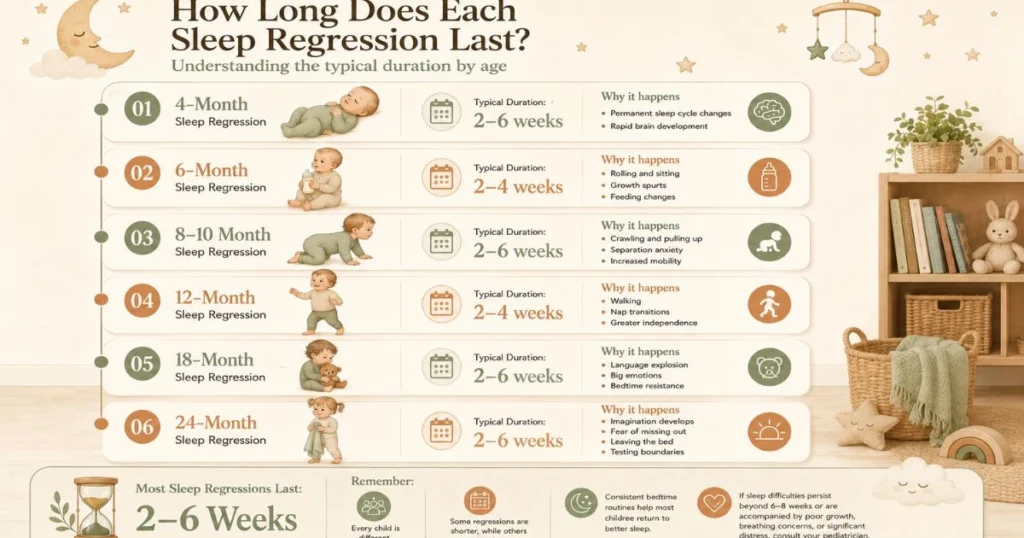
The good news is that most sleep regressions last between 2 and 6 weeks, although the exact sleep regression duration depends on your baby’s age, developmental stage, temperament, and sleep habits. While every child is different, these sleep disruptions are usually temporary and improve with time.
Understanding what is happening can make this challenging phase feel less overwhelming. In this guide, you’ll learn how long sleep regressions last at every age, what factors can affect their duration, and gentle, practical ways to help your baby return to healthy sleep habits.
Sleep patterns naturally change as babies grow and develop. The American Academy of Pediatrics offers guidance on healthy sleep habits for infants and young children.
What Is a Sleep Regression?
A sleep regression is a temporary period when a baby or toddler who was sleeping well suddenly experiences sleep difficulties. If you’re wondering how long do sleep regressions last, understanding what causes them is the first step. These phases are a normal part of child development and usually resolve with time and consistent routines.
Common signs include:
- More frequent night wakings
- Shorter naps
- Fighting bedtime
- Increased fussiness
- Needing more help falling asleep
- Early morning waking
Sleep regressions often happen during periods of rapid growth and development. As your baby’s brain learns new skills—such as rolling, crawling, walking, or talking—these exciting milestones can temporarily disrupt sleep. Although every child is different, most sleep regressions last between 2 and 6 weeks, depending on age, temperament, and sleep habits.
Developmental milestones can temporarily affect sleep. The CDC provides information about infant development and healthy sleep practices.
How Long Do Sleep Regressions Usually Last?
Most sleep regressions last:
2 to 6 weeks
However, some babies recover faster, while others take longer.
The duration depends on:
- Your baby’s developmental stage
- Sleep environment
- Daily schedule
- Sleep associations
- Temperament
- How you respond during the regression
A regression does not mean your baby has “forgotten” how to sleep.
It is usually a temporary disruption.
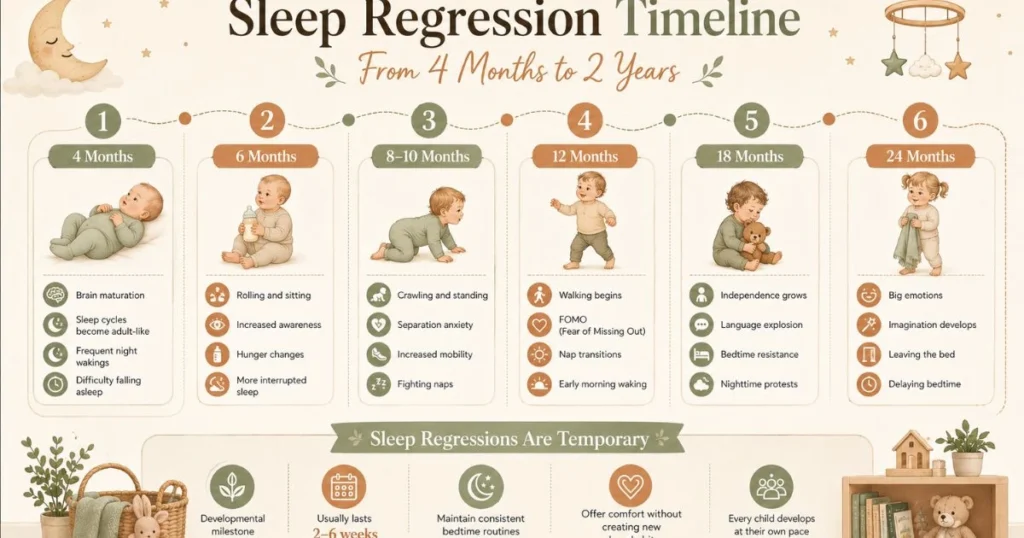
Sleep Regression Timeline by Age
4 Month Sleep Regression
Typical Age:
Around 3.5–4 months
How Long Does It Last?
Usually:
2 to 6 weeks
Why Does It Happen?
The 4-month sleep regression is often considered the biggest change in infant sleep because your baby’s sleep cycles begin to mature. If you’re wondering how long do sleep regressions last, this stage is often the most noticeable. For most babies, the 4-month sleep regression lasts between 2 and 6 weeks, although the exact sleep regression duration varies from one child to another.
During this period, your baby starts moving between lighter and deeper sleep stages more like an adult, making it easier to wake fully between sleep cycles and more difficult to settle back to sleep independently.
Common signs include:
- Waking every 1–2 hours
- Difficulty connecting sleep cycles
- Increased need for soothing
- Short naps
This sleep regression can feel especially intense because it is often the first major disruption to your baby’s sleep. The good news is that this developmental change is permanent, but the frequent wakings are temporary. With consistent bedtime routines, plenty of reassurance, and gentle sleep support, most babies gradually adjust as their new sleep patterns become established.
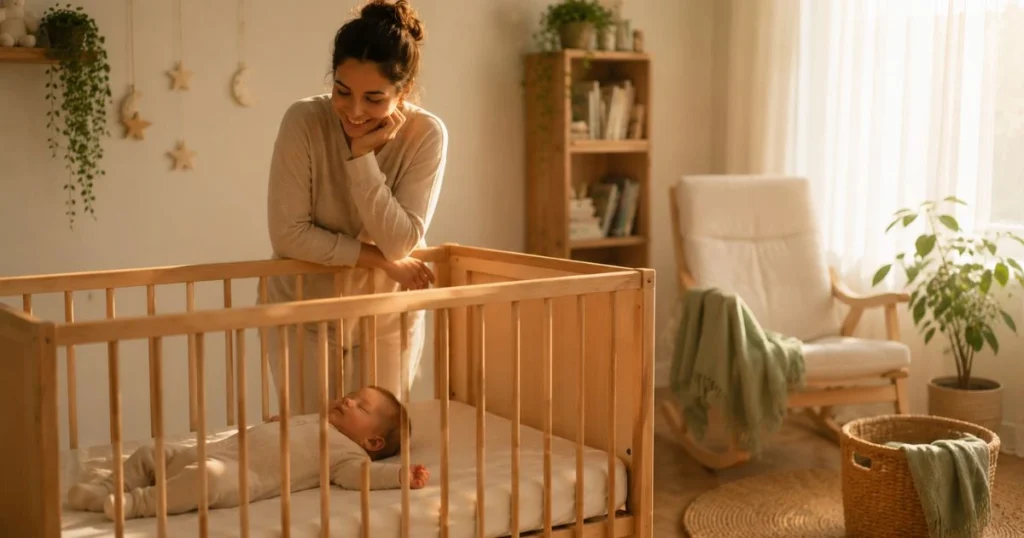
6 Month Sleep Regression
Typical Age:
Around 5–6 months
How Long Does It Last?
Usually:
2 to 4 weeks
Why Does It Happen?
Around 6 months, babies experience major changes:
- Learning to sit
- Starting solids
- Increased awareness
- Teething discomfort
- Growth changes
Signs:
- More night waking
- Fighting naps
- Increased movement during sleep
- Wanting extra comfort
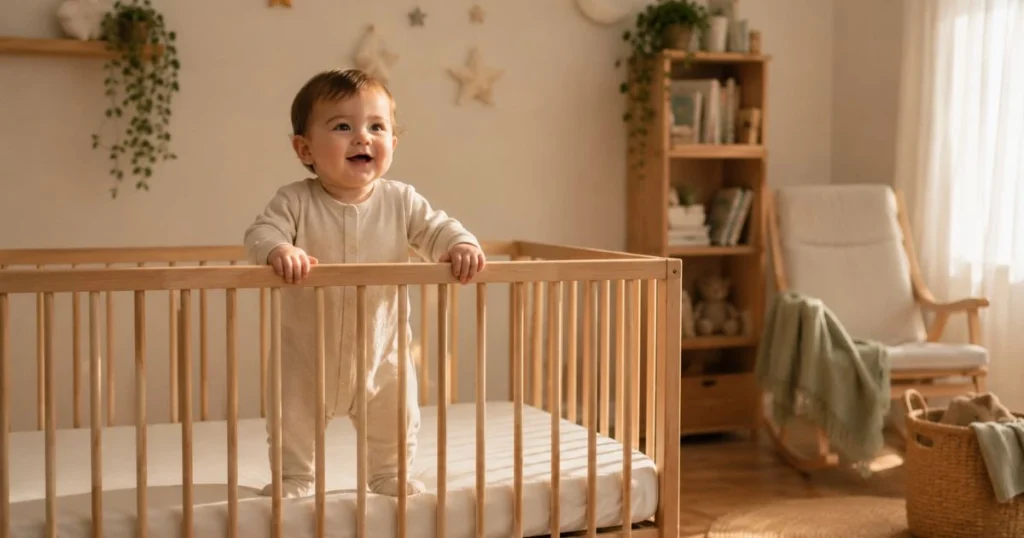
8–10 Month Sleep Regression
Typical Age:
Between 8 and 10 months
How Long Does It Last?
Usually:
3 to 6 weeks
Why Does It Happen?
This stage often combines several major milestones:
- Crawling
- Pulling up
- Standing
- Separation anxiety
- Increased curiosity
Your baby may wake at night because their brain is practicing new skills.
Signs:
- Standing in the crib
- Crying when you leave
- Short naps
- Refusing bedtime
12 Month Sleep Regression

Typical Age:
Around 12 months
How Long Does It Last?
Usually:
2 to 6 weeks
Why Does It Happen?
Your baby is becoming more independent.
Common triggers:
- First steps
- New words
- Transitioning nap schedules
- Increased independence
Signs:
- Suddenly refusing naps
- Fighting bedtime
- Increased clinginess
- More night waking
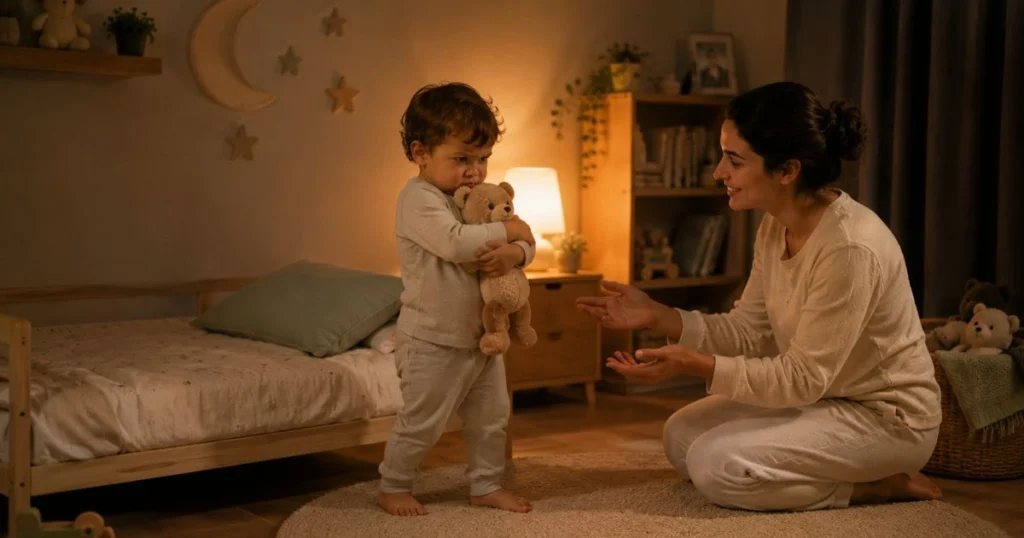
18 Month Sleep Regression
Typical Age:
Around 18 months
How Long Does It Last?
Usually:
2 to 6 weeks
Why Does It Happen?
The toddler stage brings huge emotional and cognitive growth.
Your toddler may experience:
- Strong opinions
- More independence
- Separation anxiety
- Language development
Signs:
- Bedtime resistance
- Night crying
- Wanting parents nearby
- Skipping naps
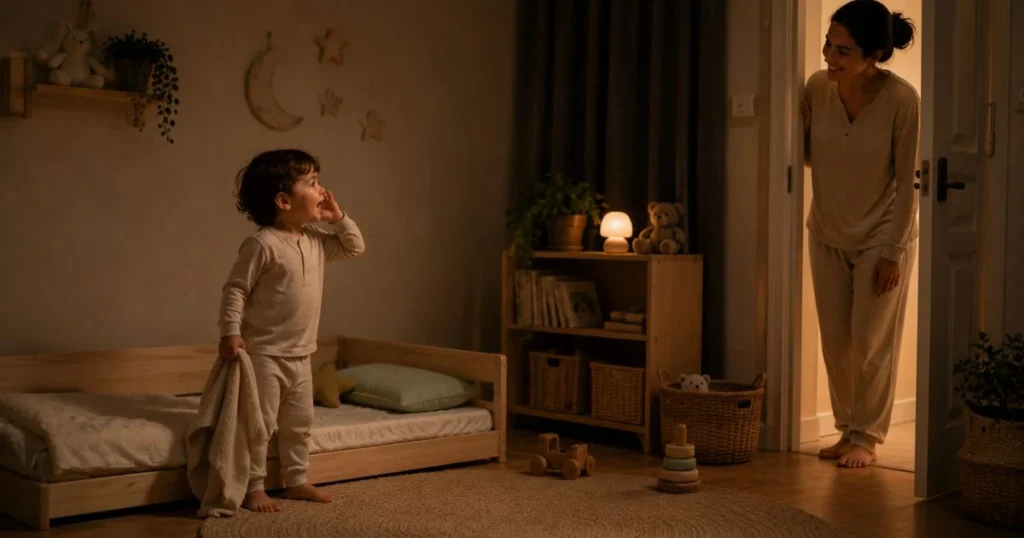
2 Year Sleep Regression
Typical Age:
Around 24 months
How Long Does It Last?
Usually:
2 to 8 weeks
Why Does It Happen?
Two-year-olds experience major emotional development.
Common triggers:
- Imagination growth
- Fear of the dark
- Testing boundaries
- Big feelings
- Potty training changes
Signs:
- Calling for parents
- Leaving the bed
- Bedtime battles
- Night fears
Why Do Some Sleep Regressions Last Longer?
While many regressions pass quickly, some continue longer because of:
1. New Sleep Associations
During difficult nights, parents naturally provide extra help.
For example:
- Rocking
- Feeding to sleep
- Holding until asleep
These can become habits if continued after the regression ends.
2. Changing Sleep Needs
As babies grow, their sleep schedule changes.
A baby may need:
- Fewer naps
- Different wake windows
- A new bedtime
3. Developmental Anxiety
Developmental stages such as separation anxiety can make sleep regressions last longer than usual. If you’re wondering how long do sleep regressions last, it’s important to know that emotional milestones like separation anxiety can temporarily extend the sleep regression duration for some babies and toddlers.
During these phases, your baby may wake more often, resist bedtime, or need extra comfort because they are becoming more aware of your absence. Your baby may need additional reassurance before feeling secure enough to settle back to sleep.
While this can be challenging, these behaviors are a normal part of development. With patience, consistency, and gentle support, most babies gradually move through the sleep regression and return to more restful sleep.
How to Support Your Baby During a Sleep Regression
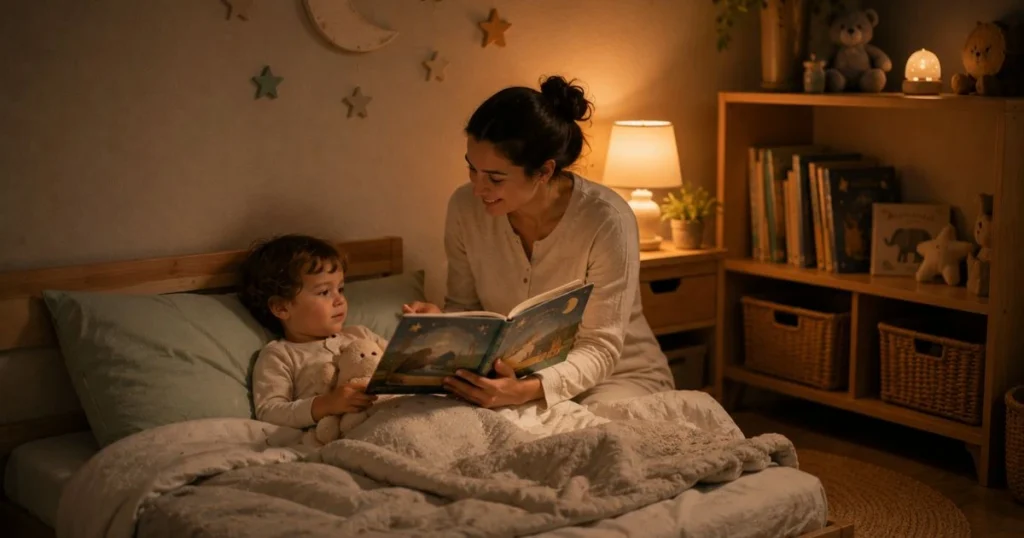
1. Keep a Consistent Routine
A predictable bedtime routine signals:
“Sleep time is coming.”
Try:
- Dim lights
- Quiet activities
- Same bedtime steps
- Same sleep environment
2. Offer Comfort and Reassurance
During regressions:
Your baby may genuinely need more support.
Offer:
- Gentle touch
- Your voice
- Extra cuddles
Comfort does not spoil your baby.
3. Avoid Completely Changing Your Approach
It can be tempting to try a different approach each night when you’re wondering how long do sleep regressions last. However, changing routines too often can make it harder for your baby to adjust.
Instead, consistency helps your baby know what to expect. A predictable bedtime routine provides comfort, builds a sense of security, and can help your child move through a sleep regression more smoothly.
4. Check Your Baby’s Schedule
Sometimes a “regression” is actually a schedule issue.
Look at:
- Nap timing
- Wake windows
- Bedtime
- Total daytime sleep
The National Sleep Foundation recommends maintaining consistent bedtime routines to support healthy sleep.
How Can You Tell When a Sleep Regression Is Ending?
Signs your baby is improving:
✅ Night waking decreases
✅ Naps become more predictable
✅ Baby settles more easily
✅ Bedtime becomes calmer
✅ Less need for constant soothing
Sleep usually improves gradually rather than overnight.
Final Thoughts
How long do sleep regressions last? While they can feel endless during exhausting nights, the good news is that most sleep regressions last between 2 and 6 weeks and are a temporary part of your child’s growth and development.
From the 4-month sleep regression to the 2-year sleep regression, each stage reflects important developmental milestones. Although sleep may be disrupted for a while, your baby is not losing sleep skills—they are learning, growing, and adapting to new abilities.
With patience, consistency, and a supportive bedtime routine, most babies and toddlers return to healthy sleep habits. Remember that every child is different, so the exact sleep regression duration can vary, but these challenging phases do come to an end.