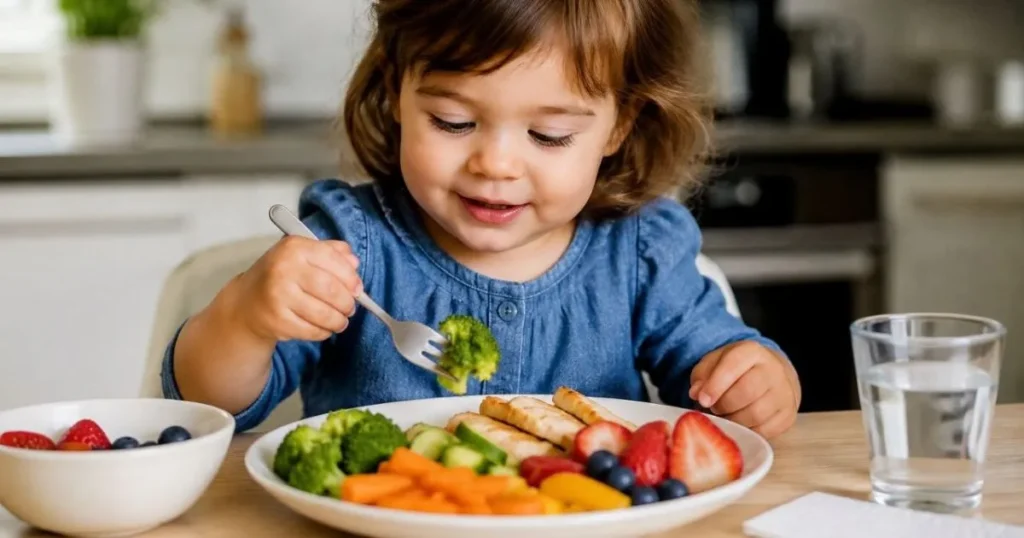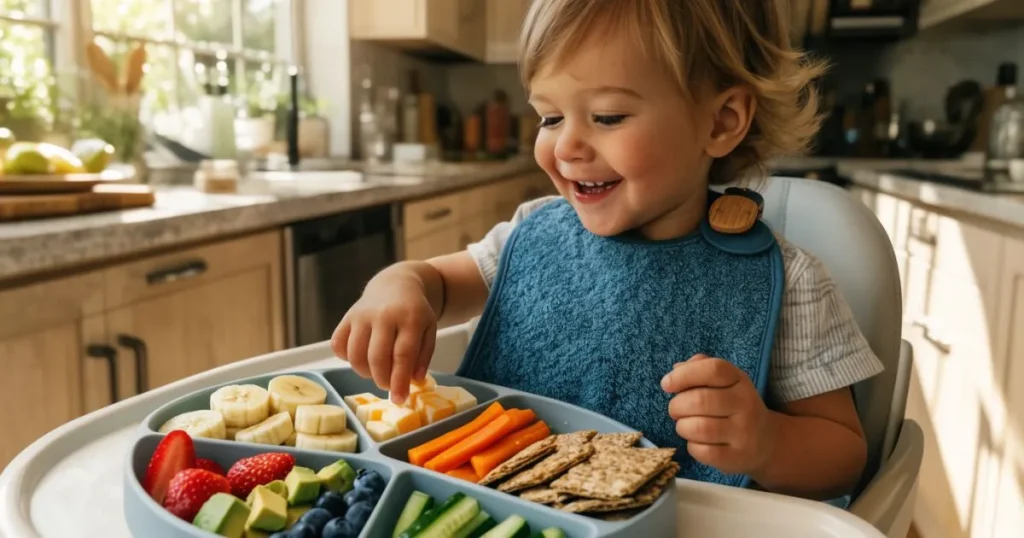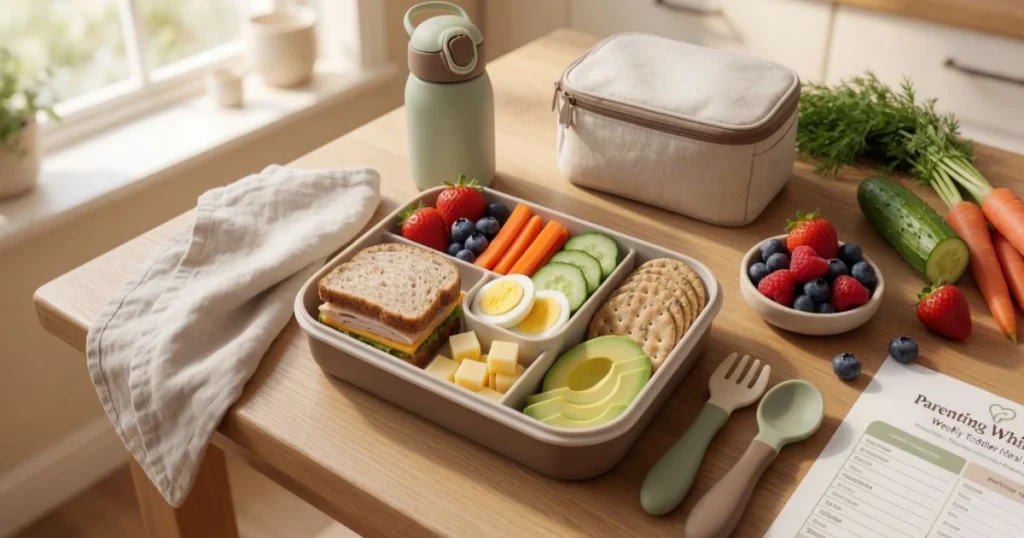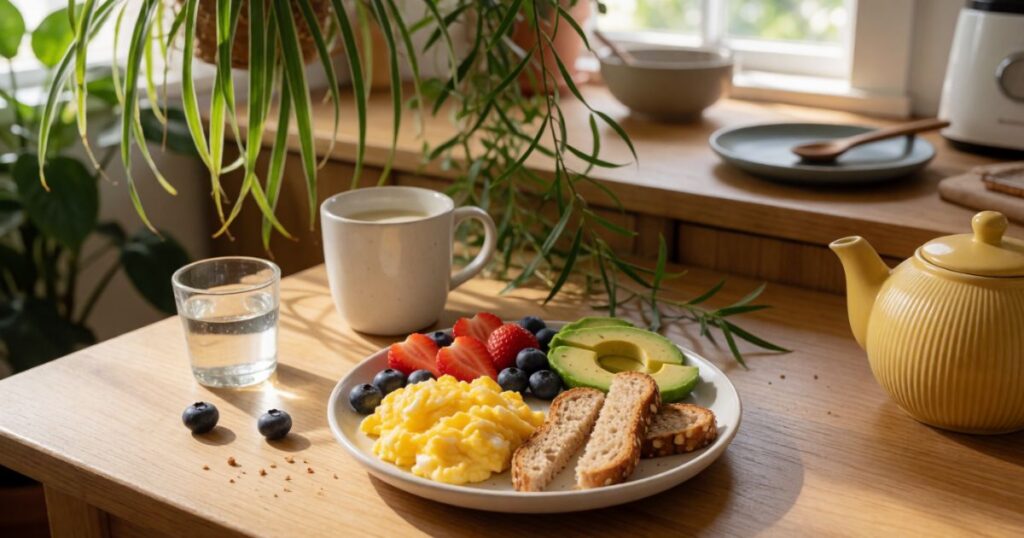
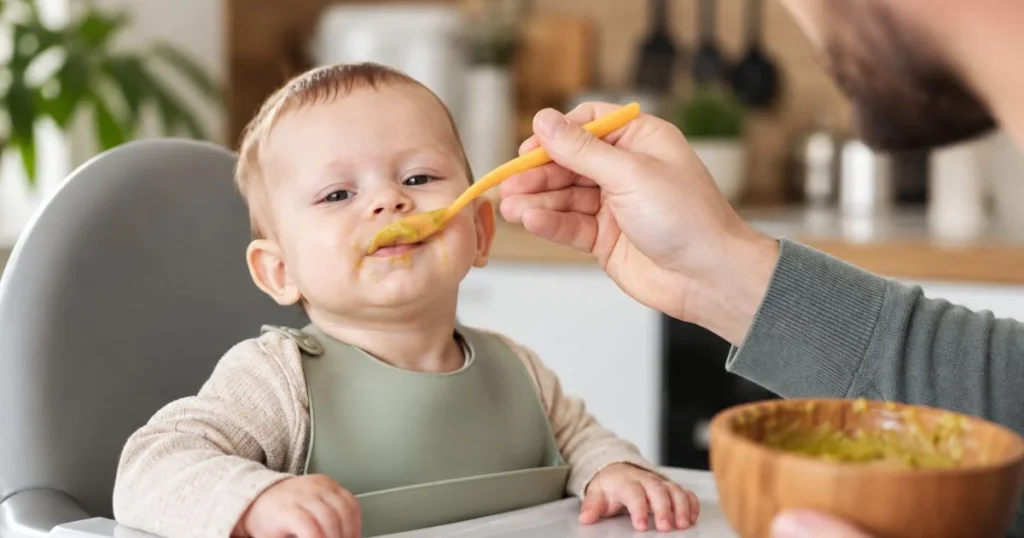
Starting solid foods is an exciting milestone, but it can also leave you with a surprising number of questions. What should your baby eat first? Should you start with vegetables or fruit? How much food is enough? When should you introduce eggs or peanut? So, how can you tell when your baby is truly ready?
The good news is that there isn’t just one ideal food to offer your baby first. Around 6 months, most babies are ready to begin complementary foods alongside breast milk or infant formula. The goal at first is not to replace milk with large meals. It is to help your baby learn how eating works while gradually adding the nutrients, flavors, and textures they need as they grow. As you begin choosing First Foods for Baby, focus on offering a variety of nutritious foods rather than searching for one perfect option.
This guide explains how to choose First Foods for Baby, recognize readiness, introduce common allergens, build variety, and create relaxed feeding routines without turning every meal into a test.
When Should a Baby Start Eating Solid Foods?
For most babies, complementary foods can be introduced at around 6 months of age, when the baby is developmentally ready. The CDC and American Academy of Pediatrics recommend introducing foods other than breast milk or infant formula at about this age, while introducing solids before 4 months is not recommended. This is also the stage when many parents begin exploring First Foods for Baby and learning which options are appropriate for their child.
There is no need to begin solids simply because your baby watches you eat, reaches toward your plate, or seems curious about food. Those behaviors can be encouraging, but readiness involves several developmental skills working together. Before offering First Foods for Baby, look for signs that your baby can safely manage food and is developmentally prepared for the transition.
During the first year, breast milk and/or infant formula continues to be the main source of nutrition, even as solid foods gradually become a larger part of your baby’s diet. Think of solids as complementary foods, not an immediate replacement for milk.
What About Babies Born Prematurely?
Premature babies may have different developmental timelines, so the decision about when to introduce First Foods for Baby may require individualized guidance. If your baby was born prematurely or has a medical or developmental condition that affects feeding, ask your baby’s healthcare professional when and how to begin.
How to Tell if Your Baby Is Ready for First Foods
Readiness is more useful than focusing on one particular age or weight number. The CDC identifies several developmental signs that indicate a baby may be ready to begin eating First Foods for Baby and other foods besides breast milk or formula.
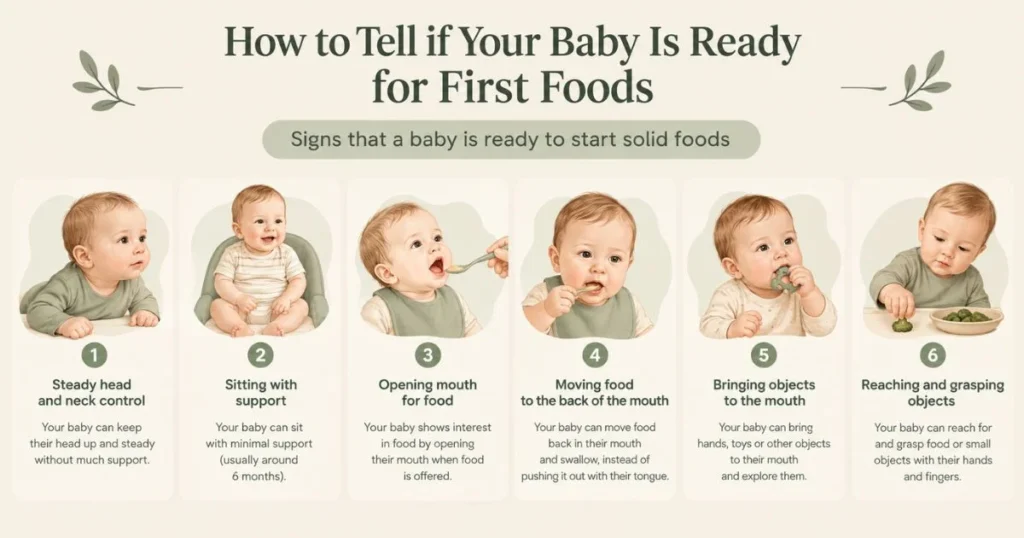
Your Baby Can Control Their Head and Neck
Your baby should be able to keep their head steady and maintain a reasonably upright position during feeding. Good head and neck control helps them safely manage First Foods for Baby and other solid foods.
::
Your Baby Can Sit With Support
A baby does not necessarily need to sit completely independently before starting solids. Being able to sit upright with support while maintaining good head control is an important part of feeding readiness before introducing First Foods for Baby.
Your Baby Opens Their Mouth for Food
When you bring a spoon or appropriate food toward your baby, they may open their mouth rather than automatically turning away. This can be a positive sign that your baby is becoming ready to explore First Foods for Baby.
Your Baby Can Move Food Into Their Mouth
Early eating requires coordination between the mouth, tongue, and swallowing muscles. A ready baby begins to move First Foods for Baby from the front of the mouth toward the back rather than consistently pushing them back out.
Your Baby Brings Objects to Their Mouth
This shows developing oral exploration and hand-to-mouth coordination as your baby begins to interact with First Foods for Baby.
Your Baby Tries to Grasp Objects
Reaching for and attempting to grasp toys or food demonstrates the developing coordination needed for self-feeding and handling First Foods for Baby later on.
What About Doubling Birth Weight?
You may have heard that a baby should double their birth weight before starting solids. Weight can be one piece of a baby’s overall development, and the American Academy of Pediatrics has historically included it among factors parents may consider. However, developmental readiness is more important than using a particular weight as a stand-alone requirement when deciding whether your baby is ready for First Foods for Baby.
If you are unsure whether your baby is ready for First Foods for Baby, your pediatrician or other healthcare professional can assess their deve
What Are the Best First Foods for Baby?
There is no required order for introducing most foods. Instead of searching for one magical “best” option, focus on variety and nutritional value when choosing First Foods for Baby.
By around 7 to 8 months, babies can generally be eating foods from several food groups, including vegetables, fruits, proteins, dairy foods without added sugar, and whole grains. Offering a range of nutritious options can help you build a balanced selection of First Foods for Baby as your baby becomes more comfortable with solids.
Here are some useful categories to build around.
Iron-Rich Foods
Iron becomes especially important as your baby starts eating complementary foods. Including iron-rich choices is an important part of offering First Foods for Baby.
Good options include:
- Soft cooked meat
- Poultry
- Fish
- Eggs
- Lentils
- Beans
- Iron-fortified infant cereals
Iron supports normal growth and development, and iron-rich complementary foods become particularly important as babies grow. For breastfed babies, iron stores accumulated during pregnancy also begin to decline around the middle of the first year.
You do not have to serve meat at every meal. Lentils, beans, eggs, tofu, and iron-fortified infant cereals can also contribute useful nutrients and provide variety among First Foods for Baby.
If you use infant cereal, consider rotating varieties such as oat, barley, and multigrain rather than relying only on rice cereal. The CDC notes that feeding only infant rice cereal can increase arsenic exposure.
Vegetables
Serve vegetables in a texture and consistency that your baby can safely handle.
Options include:
- Sweet potato
- Broccoli
- Cauliflower
- Peas
- Cooked spinach
- Carrots
- Pumpkin
- Beans
- Beets
There’s no need to start with vegetables just because they have a less sweet flavor. There is no good reason to avoid fruit because of its naturally sweet flavor. What matters more is giving your baby repeated opportunities to experience a broad range of tastes and textures.
Fruits
Fruit can be part of your baby’s first foods from the beginning.
Try appropriately prepared:
- Banana
- Pear
- Avocado
- Peach
- Melon
- Soft berries
- Cooked apple
Fruit provides nutrients and can help make meals enjoyable. You do not need to delay fruit to “save” your baby’s palate for vegetables.
Whole Grains and Infant Cereals
Grains can provide energy and important nutrients as part of a varied diet.
Depending on your baby’s developmental abilities, options can include:
- Iron-fortified infant oatmeal
- Barley cereal
- Multigrain infant cereal
- Soft cooked oats
- Soft pasta or other appropriately prepared grains
Choose textures that match your baby’s current feeding skills rather than expecting them to handle adult-sized portions or textures.
Protein Foods
Protein foods can be introduced as part of complementary feeding.
Examples include:
- Egg
- Chicken
- Turkey
- Beef
- Fish
- Lentils
- Beans
- Tofu
Fish can be particularly useful because it provides protein and other nutrients important for development. Choose fish lower in mercury and follow current fish-consumption guidance for children.
Plain Dairy Foods
Pasteurized, plain yogurt and appropriately prepared cheese can be introduced during the first year.
Choose products without added sugar. Plain full-fat yogurt is one practical option because it is soft and easy to combine with other foods.
Remember that dairy foods are different from giving cow’s milk as your baby’s main drink. Cow’s milk as a beverage should wait until after 12 months.
Healthy Fats
Healthy fats are another useful part of a baby’s varied diet.
Examples include:
- Avocado
- Full-fat plain yogurt
- Smooth nut or seed butter prepared safely
- Olive oil incorporated into suitable foods
For babies, the form matters just as much as the ingredient. Thick spoonfuls of nut butter can be a choking hazard, so thin or mix it into another food to create an infant-appropriate texture.
Should You Start With Vegetables or Fruit?
You may have heard that starting with fruit will make a baby reject vegetables because fruit tastes sweeter.
You do not need to follow that rule.
The American Academy of Pediatrics notes that there is no evidence that giving fruit first causes babies to develop a dislike of vegetables. Instead, focus on offering a variety of foods and allowing your baby repeated, pressure-free opportunities to experience different flavors.
Your baby might happily eat pear one day and reject it the next. They may enjoy broccoli at several meals, only to refuse it without warning later on. This kind of changing preference is completely normal.
Instead of asking, “Which food will help my baby become a healthy eater?” consider asking:
“How can I help my baby experience and learn about a variety of foods?”
That small change in perspective can make early feeding feel much less stressful.
Introducing Common Allergens to Your Baby
Introducing allergenic foods is an important part of starting solids.
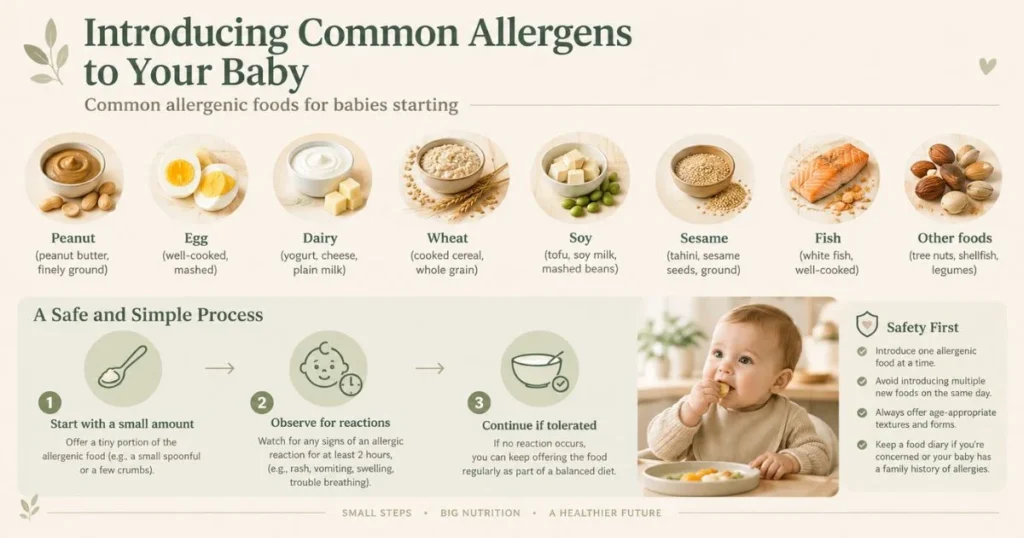
Common food allergens include:
- Egg
- Peanut
- Tree nuts
- Dairy
- Wheat
- Soy
- Fish
- Shellfish
- Sesame
Current guidance does not recommend unnecessarily delaying common allergenic foods once a baby is ready for complementary foods. Early introduction, in developmentally appropriate forms, can be particularly important for peanut and egg allergy prevention.
How Should You Introduce an Allergenic Food?
When introducing a new allergenic food:
- Choose a safe, baby-appropriate form.
- Start with a small amount.
- Introduce it when you can pay attention to your baby rather than when everyone is rushing out the door.
- Watch for signs of an allergic reaction.
- If tolerated, continue including the food regularly in an appropriate form.
The CDC recommends introducing single-ingredient foods initially and waiting 3 to 5 days between new foods to make it easier to identify potential problems.
However, the most important point is not to delay allergenic foods unnecessarily.
If your baby has severe eczema, an existing food allergy, or another factor that may increase the risk of food allergy, talk with their healthcare professional about peanut and other allergen introduction.
What Does an Allergic Reaction Look Like?
Possible symptoms can include hives, swelling, vomiting, coughing, wheezing, or difficulty breathing.
A baby showing signs of a severe allergic reaction, especially breathing difficulty or significant swelling, needs urgent medical attention.
How Should First Foods Be Prepared?
The texture of food should match your baby’s developmental skills.
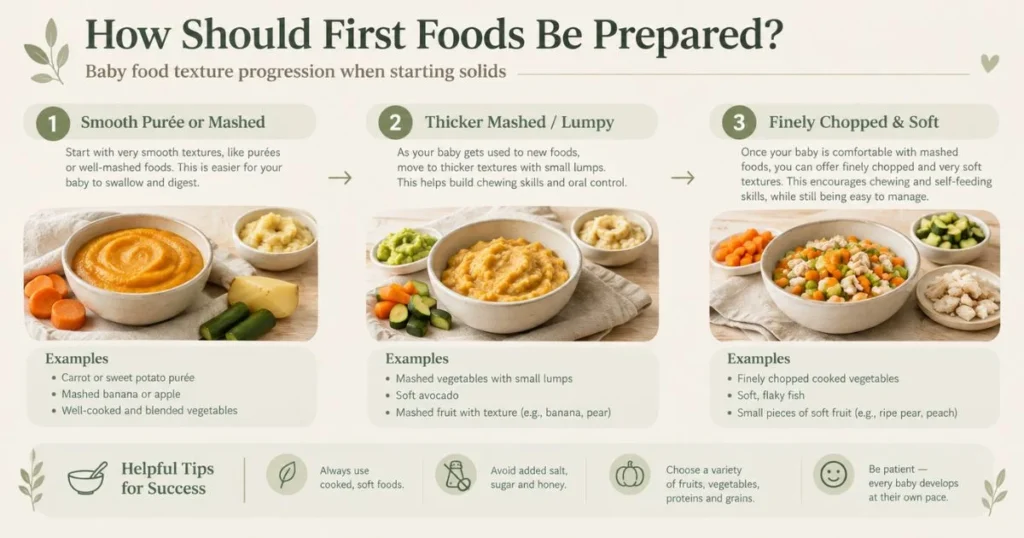
At first, many babies manage smooth mashed or puréed foods more easily. As their eating skills develop, gradually offer thicker, lumpier, finely chopped, or otherwise more textured foods. The CDC specifically encourages progression through different textures as babies become more capable.
Foods such as hard carrots or apples should be cooked until soft enough to mash easily. Remove bones, hard pits, and other difficult parts of food.
This article is focused on first foods and starting solids, rather than detailed finger-food preparation. Once your baby is developmentally ready for self-feeding, you can explore our guide to baby finger foods for more detailed ideas and preparation guidance.
Do Babies Need Teeth to Eat Solids?
No. Babies can learn to manage appropriately prepared soft foods before they have a full set of teeth.
What matters is the texture and shape of the food, along with your baby’s developmental ability.
How Much Should a Baby Eat at First?
One of the easiest mistakes for new parents is expecting the first few meals to look like a full meal.
They usually do not.
A baby’s first portions of First Foods for Baby can be surprisingly small. The CDC suggests starting with about 1 to 2 tablespoons and watching the baby’s hunger and fullness cues. As complementary foods become familiar, the amount and frequency can gradually increase.
Some babies may take only a few small bites when they first start eating. Others become enthusiastic immediately.
Neither response necessarily means you are doing something wrong.
The important thing is to let solids gradually become a larger part of the diet while breast milk and/or infant formula remains the main source of nutrition from 6 to 12 months.
Responsive Feeding: Let Your Baby Lead
Responsive feeding means paying attention to your baby’s cues rather than trying to make them eat a predetermined amount.
Watch for Hunger Cues
Your baby may:
- Open their mouth
- Reach toward food
- Become more alert or engaged
- Lean toward the food
Watch for Fullness Cues
Your baby may:
- Turn their head away
- Close their mouth
- Lose interest
- Push food away
When your baby communicates that they have had enough, you do not need to persuade them to take “just one more bite” of First Foods for Baby.
This does not mean you have to let your baby decide which foods are offered. You provide the food, the setting, and the opportunities; your baby gradually learns to decide whether and how much to eat.
That balance is at the heart of responsive feeding.
How to Introduce New Flavors Without Pressure
A baby may reject a food simply because it is unfamiliar. This can happen even with nutritious First Foods for Baby.
That does not necessarily mean they dislike it forever.
Continue offering a variety of foods without forcing your baby to eat them. The CDC notes that children may need repeated exposure before accepting some foods.
You can also vary how familiar foods are presented.
For example, a vegetable might appear mashed one day and in a different developmentally appropriate texture later. A fruit can be combined with a familiar food after your baby has already tried both ingredients separately.
The goal is not to “win” a battle over broccoli.
The goal is to make trying food a normal part of family life.
What Should Babies Drink When Starting Solids?
After your baby starts eating complementary foods, you can offer small amounts of water during meals alongside First Foods for Baby.
For babies between 6 and 12 months, the CDC recommends water in the range of about 4 to 8 ounces per day, while breast milk or infant formula remains the main drink and nutritional source.
An open cup, free-flow cup, or developmentally appropriate cup can help your baby begin practicing drinking skills.
What About Cow’s Milk?
Cow’s milk should not replace breast milk or infant formula as your baby’s main drink before 12 months. It can, however, be used in foods prepared as First Foods for Baby, such as cooking or certain dairy preparations during the first year. Pasteurized yogurt and cheese can also be introduced earlier.
What About Juice?
Babies younger than 12 months should not drink fruit or vegetable juice. Whole fruit is a better choice because it provides the food’s natural structure and other nutrients rather than concentrating the fruit into a drink.
Foods and Beverages to Avoid During Your Baby’s First Year
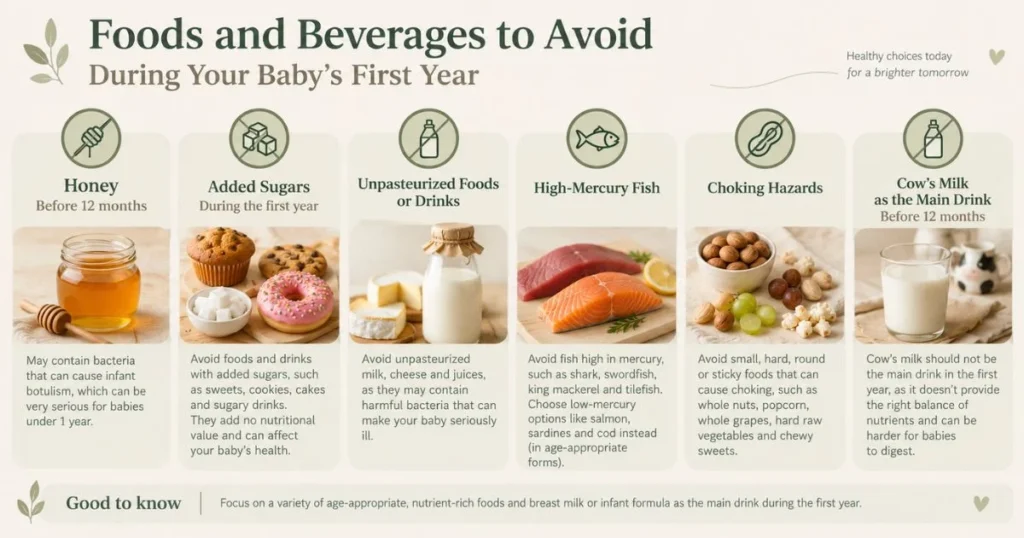
Some foods deserve special attention because of safety or nutritional concerns.
Honey
Avoid giving honey to babies before they reach 12 months of age. Honey can contain bacteria that cause infant botulism. This includes honey added to foods, drinks, or other products.
Added Sugars
Infants do not need added sugar. Check labels on foods such as flavored yogurt, packaged snacks, and cereals, and choose options without added sugars when possible.
Unpasteurized Foods
Avoid unpasteurized milk, cheese, yogurt, and juice because they can contain harmful bacteria.
High-Mercury Fish
Fish can be a nutritious part of a baby’s diet, but choose lower-mercury varieties and follow current recommendations about which fish to serve.
Choking Hazards
Some First Foods for Baby can block a young child’s airway if they are not prepared safely. Whole nuts, chunks of tough meat, whole grapes, uncut berries or cherries, hard raw vegetables, popcorn, hot dogs, and thick spoonfuls of nut butter are among the foods that require special caution or avoidance in their unsafe forms.
Always keep your baby upright and stay within arm’s reach while they eat. Never leave a baby unattended with food.
How Your Baby’s Poop May Change After Starting Solid Foods
Your baby’s diaper may look noticeably different once First Foods for Baby enter the picture.
Stools often become:
- Firmer
- Darker
- Stronger smelling
- More variable in color
You may also see recognizable bits of food. Some foods contain skins, fibers, or structures that babies do not fully digest, so seeing small food particles does not automatically mean something is wrong.
However, contact your baby’s healthcare professional if your baby develops persistent watery diarrhea, blood in the stool, repeated vomiting, signs of dehydration, or seems unusually unwell.
A Simple First-Week Example
You do not need to follow a rigid seven-day menu. The following is simply an example of how variety might gradually appear.
| Day | Example first food |
|---|---|
| Day 1 | Iron-fortified oat cereal prepared with breast milk, formula, or water |
| Day 2 | Mashed avocado |
| Day 3 | Tender cooked sweet potato paired with a small serving of an iron-rich food |
| Day 4 | Plain full-fat yogurt with a familiar fruit |
| Day 5 | Mashed lentils with a soft cooked vegetable |
| Day 6 | Well-cooked egg in an appropriate texture |
| Day 7 | A combination of familiar foods your baby has already tolerated |
This is an example, not a required sequence. There is no single correct order for most first foods.
As your baby becomes more comfortable, gradually expand the range of foods and textures.
First Foods for Baby FAQs
What is the best first food for a baby?
There is no single best first food. Nutrient-rich options such as iron-fortified infant cereal, meat, eggs, beans, lentils, vegetables, fruits, and plain dairy can all have a place in complementary feeding. Focus on variety rather than finding one perfect food.
Should I start with vegetables or fruit?
Either is fine. There is no need to delay fruit because you are worried about its natural sweetness. Offer a mixture of fruits and vegetables and allow your baby repeated opportunities to explore different flavors.
Can babies eat eggs as a first food?
Egg can be introduced when your baby is developmentally ready for complementary foods. Fully cooked egg can be a nutritious option among First Foods for Baby, as long as it is served in a texture your baby can safely manage. Egg is also one of the common allergens worth introducing rather than unnecessarily delaying.
When can babies have peanut butter?
Peanut can be introduced during complementary feeding in a safe infant-appropriate form. As part of First Foods for Baby, peanut should never be given as a thick spoonful of peanut butter or as whole peanuts because of the choking risk. Thin smooth peanut butter into another food or use another appropriate form. Babies with severe eczema or egg allergy should be evaluated for their allergy risk and may need guidance from their healthcare professional before peanut introduction.
Does a baby need teeth before eating solid foods?
No. Teeth are not required for appropriately prepared soft foods. Babies use their gums and developing oral skills to learn how to manage food.
Can babies have finger foods when they start solids?
Some babies can begin appropriately prepared finger foods when they show the necessary developmental skills. These First Foods for Baby need to be soft and prepared in a shape and texture that reduces choking risk. For detailed ideas and preparation guidance, see our Baby Finger Foods guide.
How much should a 6-month-old eat?
There is considerable variation. Early portions of First Foods for Baby may be only a few tastes or around 1 to 2 tablespoons. Follow your baby’s hunger and fullness cues rather than trying to make them finish a specific amount. Breast milk and/or infant formula remains the main source of nutrition during this stage.
Can babies drink water when they start solids?
Yes. Once complementary foods begin, small amounts of water can be offered alongside First Foods for Baby. The CDC gives approximately 4 to 8 ounces per day for babies 6 to 12 months, while breast milk or infant formula remains the main drink.
The Bottom Line
Starting solids is not about finding one perfect first food or getting your baby to eat a full plate immediately.
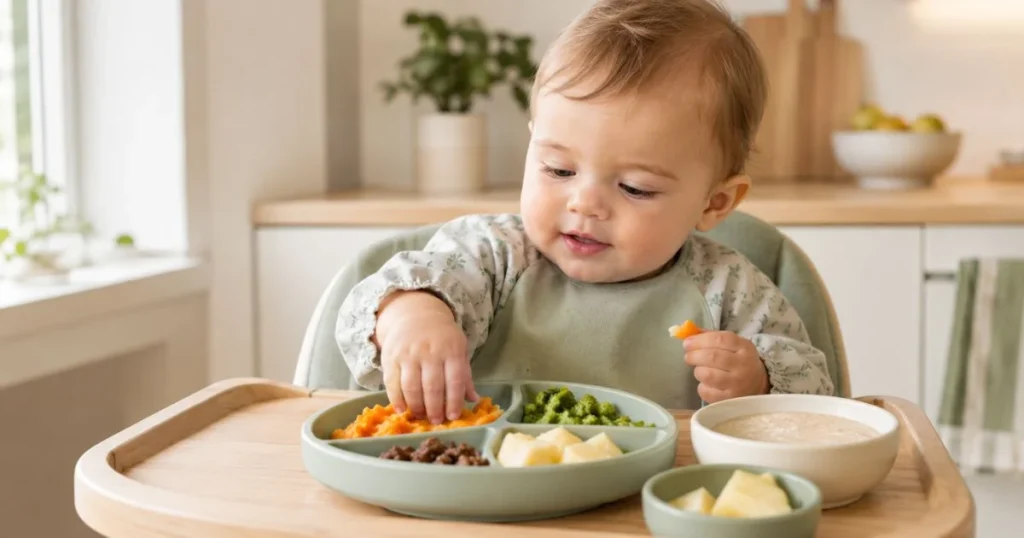
It is a gradual learning process.
Begin around 6 months when your baby shows developmental readiness. Offer a variety of nutrient-rich foods, give particular attention to iron-rich choices, introduce common allergens in safe forms without unnecessary delay, and gradually expand textures as your baby’s skills develop. Keep breast milk or infant formula as an important part of the diet throughout the first year. As you introduce First Foods for Baby, focus on variety, nutrition, and your baby’s individual pace rather than trying to follow a rigid menu.
Most importantly, keep mealtimes calm.
Your baby may eat a lot one day and very little the next. They may love a food immediately, reject it, and then happily eat it weeks later. That is part of learning.
Parenting Whisper Reminder: Your baby’s first foods are about more than how much they eat. Every new taste, texture, and shared meal is an opportunity to learn. You do not need to make every meal perfect—you just need to keep offering safe, nourishing food with patience and support.