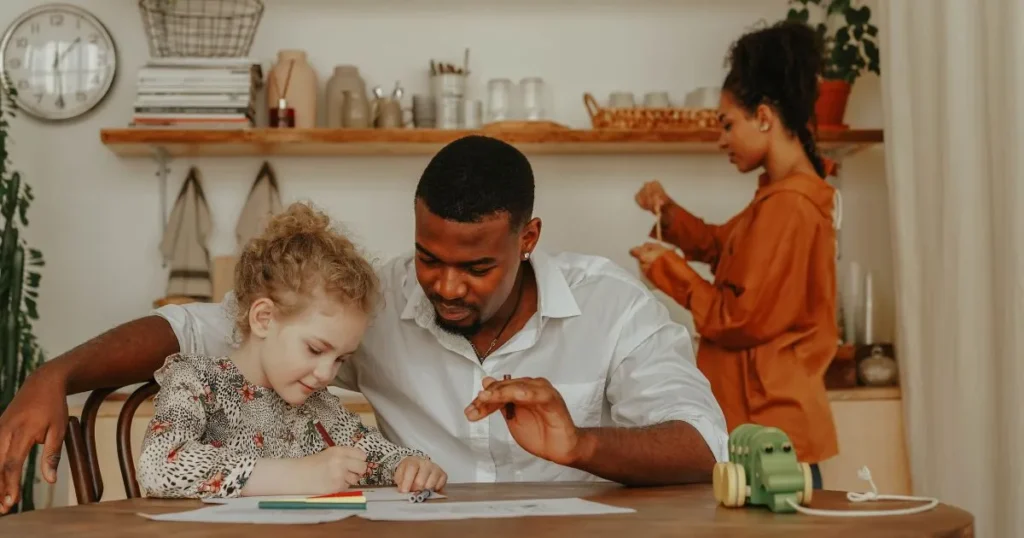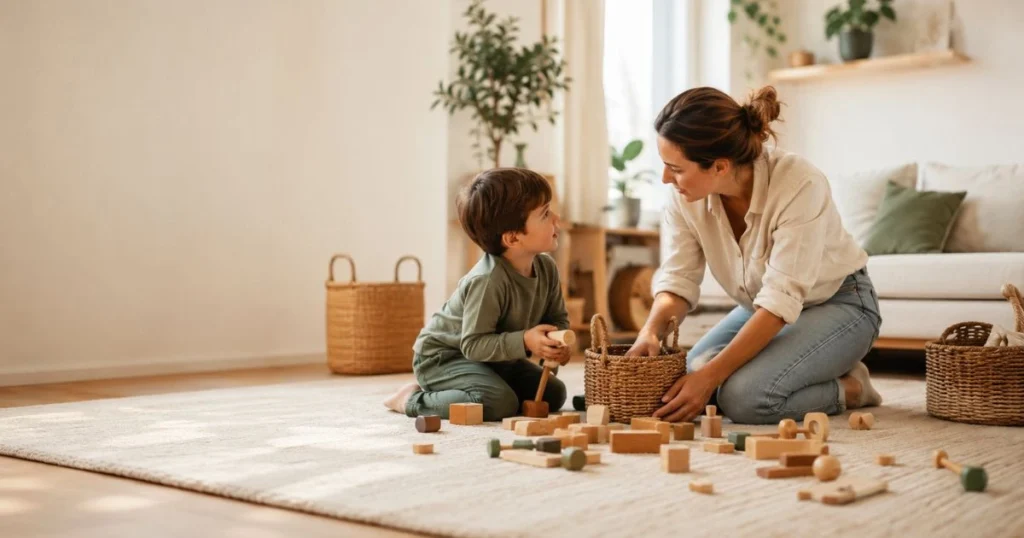
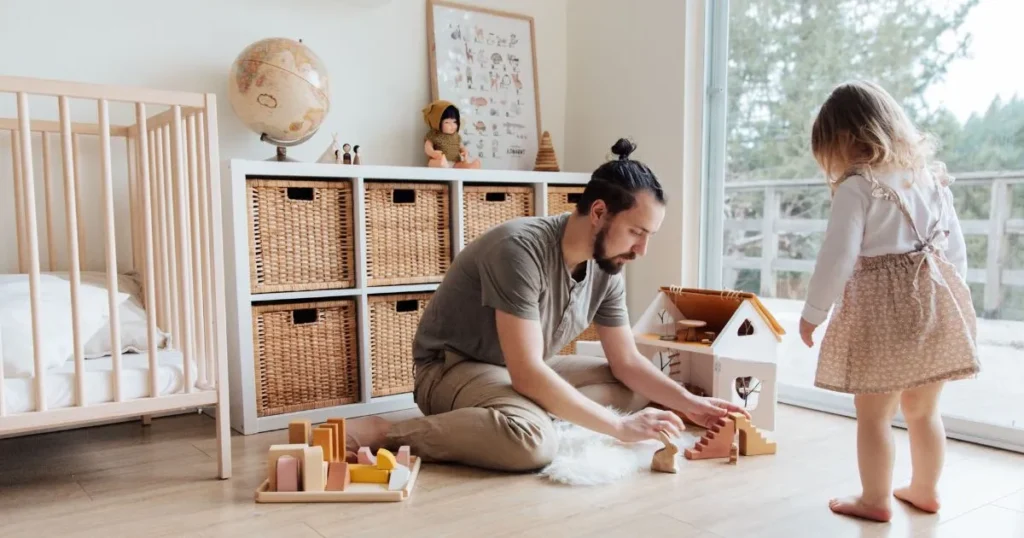
Discover how positive parenting helps you build a stronger relationship with your child through connection, respect, and guidance—not fear or punishment. Learn practical, research-backed strategies you can use every day to encourage confidence, responsibility, and emotional well-being.
Every parent experiences times when they wish they had responded in a different way:

Your toddler is crying because you cut their sandwich into squares instead of triangles.
Your preschooler refuses to put on their shoes when you’re already late.
Your school-aged child talks back after you’ve reminded them—again—to finish their homework.
In those moments, feeling overwhelmed can happen very quickly.
You might raise your voice before you even realize it. You may threaten a consequence you don’t intend to enforce. Or perhaps you walk away feeling guilty, wondering if you handled the situation the “right” way.
If this feels familiar, you’re certainly not the only parent who has experienced it.
Parenting is one of the most meaningful responsibilities you’ll ever have, yet it rarely comes with a handbook. Every child is different, every family has unique challenges, and no parent responds perfectly every single time.
That’s where positive parenting can make a difference.
Contrary to what the name might suggest, positive parenting doesn’t mean saying “yes” to everything or pretending difficult behaviors don’t exist. It also doesn’t expect parents to remain perfectly calm every moment of every day.
Instead, positive parenting is an evidence-informed approach that combines warmth, respect, empathy, and consistent boundaries to help children learn—not simply obey.
Rather than asking,
“How can I stop this behavior?”
positive parenting encourages you to ask,
“What might my child’s behavior be telling me, and what skill can I help them develop?”
This small shift changes discipline from a battle of wills into an opportunity for growth.
Research in child development consistently shows that children thrive when they experience caring relationships, predictable routines, and guidance that helps them understand—not fear—the consequences of their actions.
That doesn’t mean life becomes conflict-free.
Tantrums will still happen.
Siblings will still argue.
Teenagers will still test boundaries.
Positive parenting, however, equips you with practical strategies that help you respond in ways that strengthen your connection with your child while encouraging essential life skills such as emotional regulation, empathy, responsibility, and effective problem-solving.
Whether you’re parenting a curious toddler, an energetic preschooler, a school-aged child, or a teenager finding their independence, the principles remain remarkably similar.
Your goal isn’t perfection.
It’s progress.
In this comprehensive guide, you’ll learn:
- What positive parenting really means
- The science behind why it works
- The core principles that guide this parenting approach
- Practical strategies you can use every day
- How positive parenting differs from permissive parenting
- Common mistakes to avoid
- How to build a calmer, more connected relationship with your child
Most importantly, you’ll discover that positive parenting isn’t about becoming a perfect parent.
It’s about becoming the kind of parent who helps a child feel safe, respected, understood, and capable—even during life’s most challenging moments.
What Is Positive Parenting?
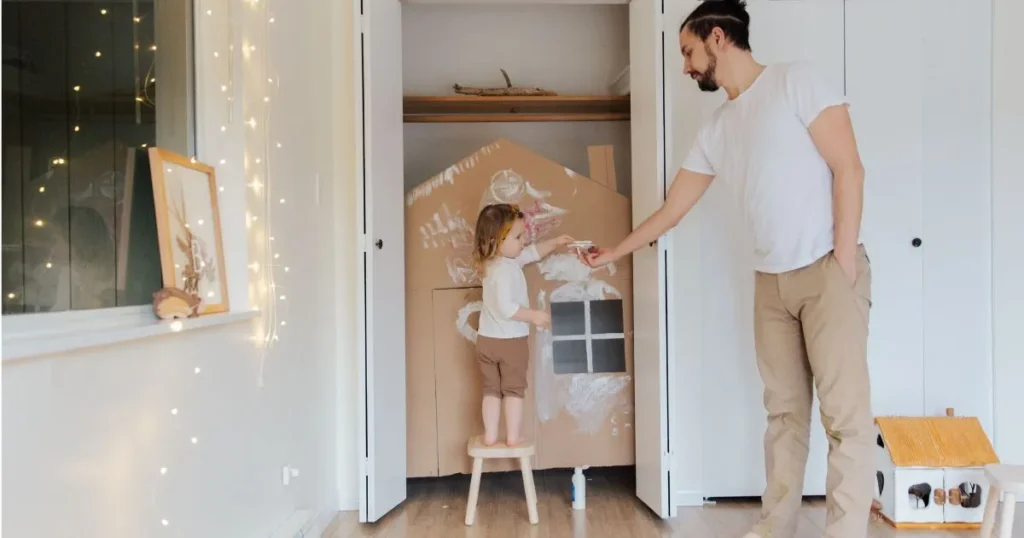
Positive parenting is a parenting approach that focuses on building a strong parent-child relationship while teaching children through guidance, encouragement, and consistent boundaries rather than fear or harsh punishment.
It recognizes that children are still learning.
When they make mistakes, they’re often communicating an unmet need, testing limits, or practicing skills they haven’t fully developed yet.
Instead of asking,
“How do I punish this behavior?”
positive parenting asks,
“What meaningful lesson can I help my child learn from this experience?”
That doesn’t mean children avoid consequences.
It means consequences are designed to help children learn responsibility instead of simply making them feel afraid.
A Simple Definition
Positive parenting can be summarized in one sentence:
Guide your child with kindness, teach with consistency, and build trust through connection.
The approach encourages parents to combine:
- Warm, responsive relationships
- Clear expectations
- Consistent routines
- Respectful communication
- Age-appropriate independence
- Positive discipline
- Emotional coaching
Together, these elements help children develop the confidence and life skills they need to thrive.
What Positive Parenting Is Not
One of the biggest misconceptions is that positive parenting means letting children do whatever they want.
It doesn’t.
Here’s a quick comparison:
| Positive Parenting Is… | Positive Parenting Is Not… |
| Warm and supportive | Permissive or without rules |
| Calm but firm | Afraid to say “no” |
| Respectful | Letting children control the family |
| Focused on teaching | Ignoring challenging behavior |
| Consistent | Giving in to avoid conflict |
| Encouraging independence | Expecting children to raise themselves |
Positive parenting combines love with leadership.
Children need both.
👩⚕️ Expert Insight
The American Academy of Pediatrics (AAP) recommends parenting approaches that combine nurturing relationships with consistent boundaries. Children are more likely to develop healthy emotional regulation, resilience, and social skills when they experience both warmth and predictable guidance.
Why Positive Parenting Matters
Every interaction you have with your child teaches something.
The way you respond after a tantrum…
The words you choose when your child makes a mistake…
The patience you show while helping with homework…
These moments shape more than today’s behavior.
They gradually shape how your child sees themselves and the world around them.
Children begin asking themselves questions like:
- “Am I safe when I make mistakes?”
- “Can I rely on my parents to hear me out and support me when I face a problem?”
- “Do my feelings matter?”
- “Can I solve problems?”
- “Am I capable?”
Positive parenting helps answer those questions with reassurance, guidance, and consistency.
The Long-Term Impact
Research indicates that children raised in nurturing, supportive homes with consistent expectations are more likely to develop the following qualities:
- Healthy self-esteem
- Emotional resilience
- Strong communication skills
- Better self-control
- Greater empathy
- Positive peer relationships
- Confidence in solving problems
It’s important to remember that parenting is only one influence on development.
A child’s temperament, genetics, culture, school environment, and life experiences also play important roles.
Still, the relationship you build with your child remains one of the strongest protective factors throughout childhood.
📊 Did You Know?
Decades of developmental research consistently show that children benefit from at least one stable, supportive relationship with a caring adult. This relationship helps promote resilience, emotional well-being, and healthy development—even during times of stress.
The Science Behind Positive Parenting
Positive parenting isn’t simply a popular trend.
Its principles are supported by decades of research in developmental psychology, neuroscience, and child development.
Scientists now understand that children’s brains continue developing throughout childhood and adolescence.
Skills such as:
- Managing emotions
- Controlling impulses
- Solving problems
- Planning ahead
- Understanding consequences
develop gradually with guidance and practice.
Children aren’t born knowing these skills.
They learn them through repeated interactions with caring adults.
Responsive Relationships Build Healthy Brains
One of the most important discoveries in early childhood research is the concept of responsive caregiving.
Child development experts commonly refer to this type of back-and-forth interaction as “serve and return.”
Here’s a simple example:
- Your baby points at a bird.
- You smile and say, “Yes! That’s a bird.”
Or:
- Your toddler falls down.
- You comfort them while encouraging them to try again.
These back-and-forth interactions strengthen the brain pathways involved in language, emotional regulation, learning, and social development.
Over thousands of everyday moments, these experiences help shape healthy brain architecture.
🧠 Expert Insight
According to the Center on the Developing Child at Harvard University, responsive “serve and return” interactions between children and caregivers help build strong brain connections that support learning, emotional regulation, and lifelong health.
Positive Parenting Supports Emotional Regulation
Young children often experience big emotions without yet having the skills to manage them.
A toddler may scream because they’re frustrated.
A preschooler may cry over a broken crayon.
An older child may slam a door after losing a game.
Positive parenting recognizes these moments as opportunities to teach emotional regulation rather than simply stopping the behavior.
Instead of immediately reacting with punishment, parents help children:
- Name their emotions.
- Calm their bodies.
- Understand what happened.
- Practice better responses next time.
Over time, children gradually develop the ability to manage emotions independently.
❤️ Parenting Whisper Reminder
Positive parenting doesn’t remove boundaries.
It changes how you teach them.
Children are far more likely to remember the lessons they learn through connection than those taught through fear.
The 8 Core Principles of Positive Parenting

Positive parenting is more than just one parenting method or approach to discipline.
It’s a mindset that influences how you respond to your child every day—from celebrating successes to handling tantrums, sibling conflicts, bedtime struggles, and everything in between.
These principles work together to create a home where children feel both deeply loved and confidently guided.
Remember, you don’t need to master every principle overnight. Small, consistent changes often have the greatest long-term impact.
1. Build Connection Before Correction
Children are naturally more willing to cooperate with adults they feel connected to.
Think about it from your own perspective.
If someone immediately criticizes you without listening, you’re more likely to become defensive.
Children are no different.
Before addressing your child’s behavior, pause to build an emotional connection.
Sometimes that connection is as simple as:
- Making eye contact.
- Speaking calmly.
- Getting down to your child’s level.
- Acknowledging their feelings.
Connection doesn’t excuse inappropriate behavior.
It simply helps your child feel safe enough to learn.
Real-Life Example
Your toddler throws a toy across the room because they’re frustrated.
Instead of immediately saying,
“Stop throwing things!”
You might begin with:
“I can see you’re really frustrated. Let’s figure out what happened.”
Once your child feels understood, it’s much easier to teach:
“Toys are not for throwing.”Let’s think of a better way to express what you’re feeling.”
The behavior is still addressed.
The relationship stays strong.
👩⚕️ Expert Insight
Research on parent-child attachment suggests that emotionally responsive caregiving helps children feel secure. Secure relationships provide a strong foundation for learning, emotional regulation, and healthy social development.
2. Set Clear and Consistent Boundaries
Positive parenting is often misunderstood as being relaxed or permissive.
In fact, setting healthy boundaries is one of the core principles of positive parenting.
Children feel safer when they know:
- What is expected.
- Which behaviors are acceptable.
- What happens if rules are broken.
Consistency helps children predict outcomes, reducing confusion and power struggles.
Imagine driving on roads where traffic rules changed every day.
It would feel stressful.
Children experience something similar when family expectations constantly change.
Tips for Creating Healthy Boundaries
Choose a small number of meaningful family rules.
Examples include:
- We speak respectfully.
- We keep our hands to ourselves.
- We tell the truth.
- We clean up after ourselves.
- We treat others with kindness.
Simple rules are easier for children to understand and remember.
❤️ Parenting Whisper Reminder
Children often test boundaries not because they want fewer rules—but because they’re checking whether those boundaries are reliable.
Predictable limits help children feel secure.
3. Teach Instead of Punish
Every mistake is an opportunity to learn.
Positive parenting views discipline as teaching—not revenge.
Instead of asking:
“How can I respond in a way that helps my child learn from this mistake?”
Ask:
“What skill does my child need to learn?”
That shift changes everything.
Example
Your child forgets to pack their homework.
Rather than saying:
“That’s your problem.”
You could ask:
- “What happened this morning?”
- “How can we remember tomorrow?”
- “Would making a checklist help?”
Children become better problem-solvers when they’re included in finding solutions.
Natural and Logical Consequences
Positive parenting often uses natural or logical consequences instead of harsh punishments.
| Punishment | Logical Consequence |
| Yelling after toys are left on the floor | Toys are put away for the rest of the day because they weren’t used safely. |
| Grounding for forgetting homework | Creating a homework checklist together. |
| Taking away every privilege | Losing only the privilege connected to the behavior. |
Logical consequences help children connect actions with outcomes.
4. Focus on Encouragement Instead of Perfection
Children don’t need constant praise.
They need meaningful encouragement.
Praise often focuses on the result.
Encouragement focuses on the effort.
Instead of saying:
“You’re so smart.”
Try:
“I saw how you kept going, even when things became difficult.”
This teaches children that effort matters.
Over time, they become more willing to:
- Try new things.
- Learn from mistakes.
- Persist through challenges.
📊 Did You Know?
Research on growth mindset, pioneered by psychologist Dr. Carol Dweck, suggests that praising effort, strategies, and persistence can encourage children to embrace learning and view challenges as opportunities to grow.
5. Help Your Child Understand Emotions
Children aren’t born knowing how to manage disappointment.
They’re learning.
Positive parenting teaches emotional vocabulary.
Instead of telling children,
“Stop crying.”
Try saying,
“You’re disappointed because playtime ended.”
Simply naming emotions helps children understand what they’re feeling.
As children grow, they’ll become better able to recognize and manage those emotions independently.
Emotional Coaching in Action
Imagine your child loses a board game.
Instead of saying:
“It’s just a game.”
Try:
“I know losing feels disappointing. That feeling is normal. What could help you feel better?”
This teaches:
- Emotional awareness.
- Self-regulation.
- Problem-solving.
- Empathy.
- Lead by Example Every Day
Children often learn more from watching what you do than from listening to what you say.
If you expect respect, show respect.
If you expect honesty, practice honesty.
If you want your child to approach disagreements calmly, model patience and respectful communication in your own interactions.
Children are constantly watching.
Even difficult moments become teaching opportunities.
Example
If you lose your patience and raise your voice, you might later say:
“I’m sorry I shouted earlier. I was feeling upset, but I could have talked to you in a calmer way.”
That apology teaches accountability far more effectively than pretending mistakes never happen.
👩⚕️ Expert Insight
According to psychologist Albert Bandura’s social learning theory, children acquire many behaviors by watching and imitating the people in their everyday lives.
Parents are among a child’s most influential role models.
7. Encourage Independence
Positive parenting doesn’t mean doing everything for your child.
Instead, it helps children develop confidence by gradually taking on age-appropriate responsibilities.
Children become more capable when they’re trusted to:
- Choose their clothes.
- Pack their backpack.
- Help prepare meals.
- Complete chores.
- Solve small problems.
These everyday experiences build resilience and responsibility.
Why Independence Matters
When children successfully complete challenges on their own, they begin to believe:
“I can do hard things.”
That belief often becomes more valuable than the task itself.
8. Strengthen Your Relationship Every Day
Positive parenting isn’t built during major family vacations.
It’s built during ordinary moments.
Small daily interactions often matter most.
Ideas include:
- Reading together before bed.
- Eating dinner without screens.
- Taking a short walk.
- Asking thoughtful questions after school.
- Laughing together.
- Giving hugs.
- Listening without interrupting.
These moments create emotional security that lasts long after childhood.
❤️ Parenting Whisper Reminder
Your child may not remember every gift or toy you gave them, but they are far more likely to remember how you made them feel. When children consistently feel safe, loved, listened to, and respected, those experiences help build lasting confidence and a strong sense of self.
Positive Parenting at a Glance
| Principle | What It Looks Like | Benefit for Your Child |
| Connection before correction | Listening before disciplining | Builds trust and cooperation |
| Consistent boundaries | Clear family expectations | Creates security |
| Teaching over punishment | Using mistakes as learning opportunities | Develops responsibility |
| Encouragement | Praising effort instead of perfection | Builds confidence |
| Emotional coaching | Naming and validating feelings | Improves emotional regulation |
| Modeling behavior | Demonstrating respect and kindness | Encourages positive habits |
| Encouraging independence | Offering age-appropriate responsibilities | Develops resilience |
| Daily connection | Spending intentional time together | Strengthens relationships |
Myth vs. Fact
❌ Myth
Positive parenting means children never hear the word “no.”
✅ Fact
Positive parenting includes clear rules and firm boundaries. The difference is that parents communicate expectations respectfully, explain the reasons behind limits, and use discipline as an opportunity to teach rather than intimidate.
🌱 Positive Parenting Self-Reflection
Take a moment to think about your own parenting.
How often do you…
- Listen before correcting?
- Explain the reason behind a rule?
- Praise effort instead of only results?
- Stay calm during conflict?
- Spend one-on-one time with your child?
- Apologize when you make a mistake?
If you found yourself thinking, “Not as often as I’d like,” to some of these questions, there’s no need to feel discouraged.
Positive parenting isn’t about getting everything right.
It’s about making small choices, day after day, that strengthen your relationship with your child.
Positive Parenting Strategies by Age
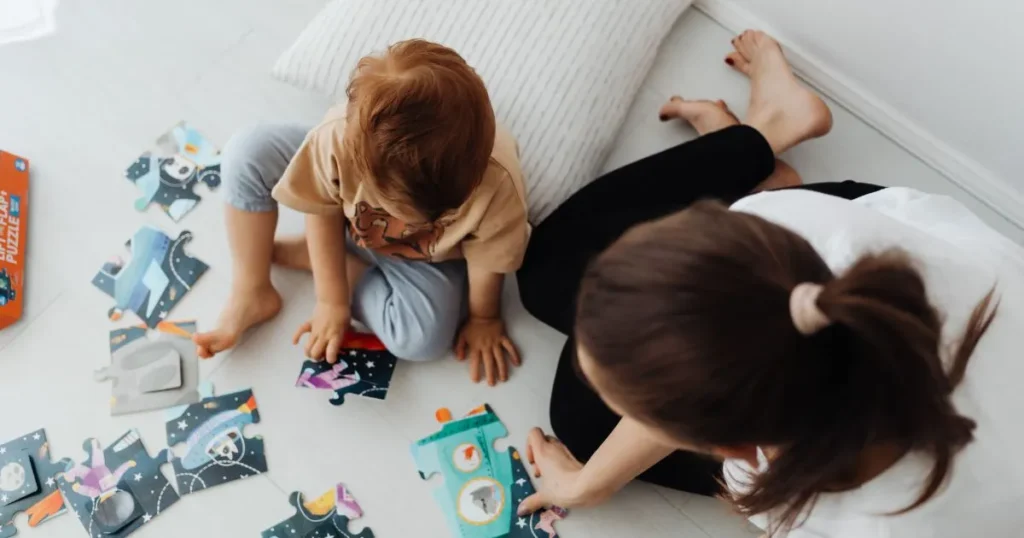
One of the biggest strengths of positive parenting is that it grows with your child.
The way you guide a curious one-year-old will naturally look different from how you support an independent teenager. While the core principles—connection, respect, consistency, and guidance—remain the same, the strategies you use should evolve as your child’s developmental needs change.
Remember, children don’t need identical parenting at every age.
They need parenting that matches where they are today.
Positive Parenting for Babies (0–12 Months)
During your baby’s first year, positive parenting is all about creating a secure attachment.
Babies aren’t capable of manipulating adults or intentionally misbehaving. They cry because they’re communicating a need, whether it’s hunger, discomfort, tiredness, or the desire for comfort and connection.
By responding consistently and warmly, you help your baby learn that the world is a safe place and that trusted adults will meet their needs.
Practical Positive Parenting Tips for Babies
- Respond to your baby’s cries with comfort and patience.
- Set aside time every day to talk with, sing to, and read to your baby.
- Make eye contact during feeding and play.
- Smile often and imitate your baby’s facial expressions.
- Establish simple, predictable routines for sleep and feeding.
- Give your baby opportunities to safely explore their environment.
These everyday interactions support language development, emotional security, and healthy brain growth.
👶 Expert Insight
The American Academy of Pediatrics (AAP) encourages responsive caregiving during infancy because warm, consistent interactions help support healthy brain development and secure attachment.
Positive Parenting for Toddlers (1–3 Years)
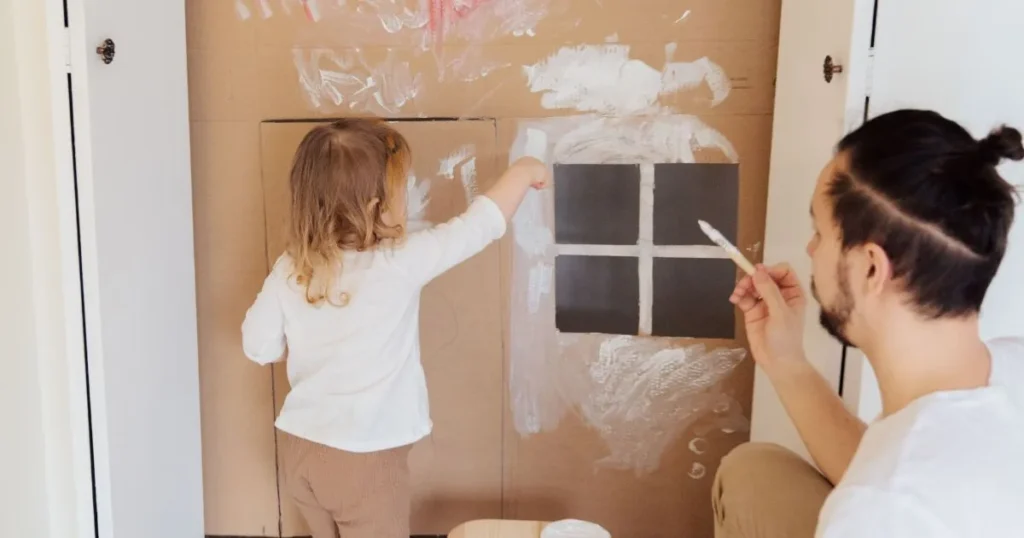
Toddlers are naturally curious.
They’re learning to walk, climb, explore, and make choices—but they haven’t yet developed the self-control to manage big emotions consistently.
This is why tantrums are common.
Instead of viewing tantrums as bad behavior, positive parenting encourages you to see them as opportunities to teach emotional regulation.
Your goal isn’t to eliminate every tantrum.
It’s to help your toddler gradually learn healthier ways to express frustration.
Positive Parenting Tips for Toddlers
- Keep routines predictable.
- Offer simple choices.
- Stay calm during tantrums.
- Use short, clear instructions.
- Redirect instead of arguing.
- Praise cooperation.
- Set firm but loving limits.
- Encourage independence through simple tasks.
Example
Instead of saying:
“Stop crying.”
Try:
“You’re upset because we have to leave the playground. It’s okay to feel sad. I’ll help you.”
You acknowledge the feeling without changing the boundary.
❤️ Parenting Whisper Reminder
Feelings are always welcome.
Certain behaviors are not.
Children can learn that it’s okay to feel angry while also learning safe ways to express that anger.
Positive Parenting for Preschoolers (3–5 Years)
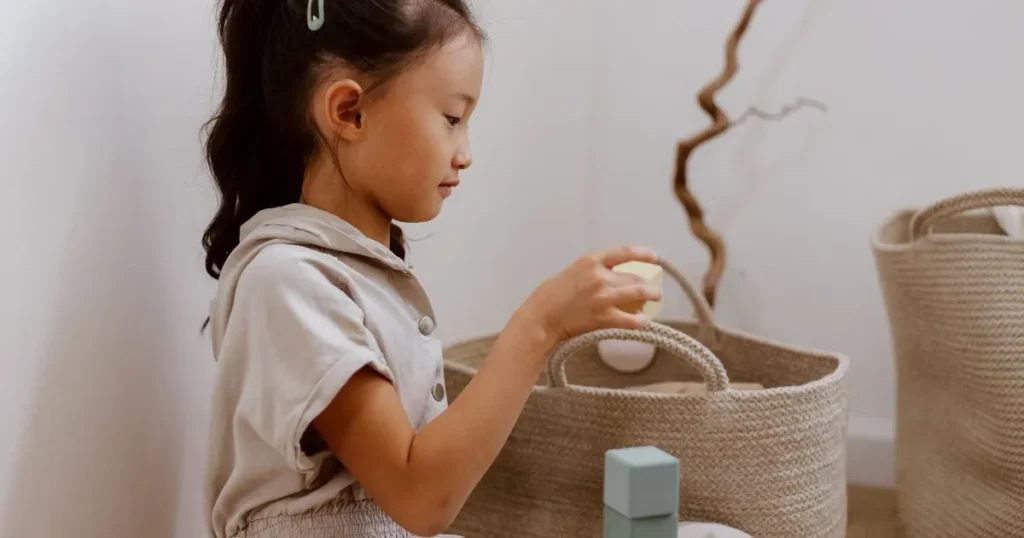
Preschoolers are becoming more independent and imaginative.
They’re also beginning to understand simple explanations about rules, fairness, and consequences.
This is a wonderful stage for teaching problem-solving rather than simply giving instructions.
Children at this age enjoy helping and often feel proud when trusted with responsibilities.
Positive Parenting Tips for Preschoolers
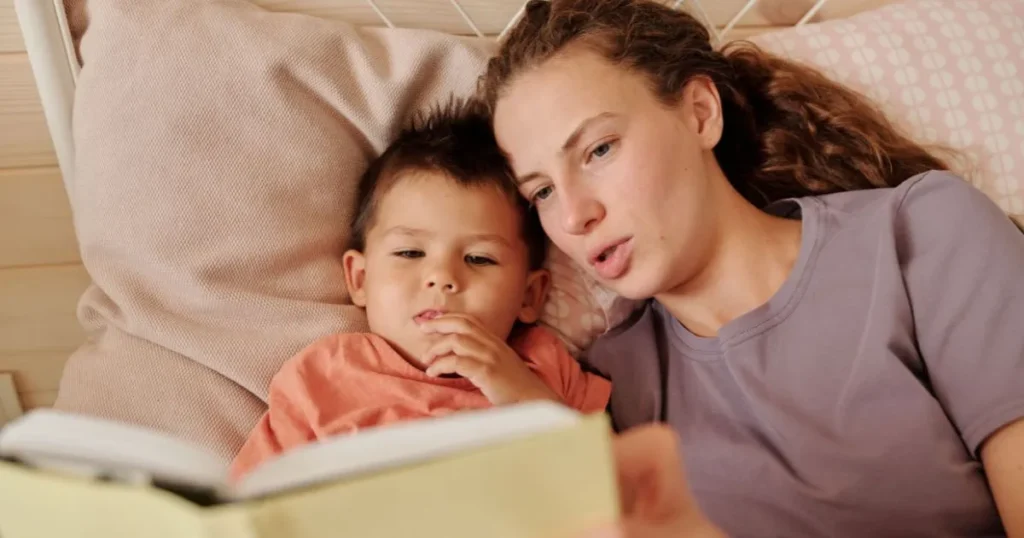
- Explain family rules using simple language.
- Encourage pretend play and creativity.
- Read books together daily.
- Practice taking turns.
- Teach children to identify emotions.
- Introduce age-appropriate chores.
- Celebrate effort more than perfection.
Example
Your preschooler spills milk while trying to pour it independently.
Instead of saying:
“I knew you’d make a mess.”
Try:
“Thank you for trying by yourself. Let’s clean it up together, and next time we’ll pour a little more slowly.”
Mistakes become learning opportunities instead of reasons for embarrassment.
Positive Parenting for School-Age Children (6–12 Years)
School-age children are developing stronger reasoning skills.
They’re learning responsibility, making friendships, solving problems, and building confidence through school, sports, and hobbies.
Positive parenting shifts from constant supervision toward coaching.
Rather than solving every problem, you help your child think through possible solutions.
Positive Parenting Tips for School-Age Children
- Encourage independence with homework and chores.
- Ask open-ended questions after school.
- Help children solve conflicts respectfully.
- Create consistent family routines.
- Limit screen time with clear expectations.
- Praise perseverance.
- Encourage responsibility instead of perfection.
Conversation Starter
Instead of asking:
“Did you have a good day?”
Try asking:
- “What made you laugh today?”
- “What challenged you today?”
- “What are you proud of today?”
These questions often lead to richer conversations.
📊 Did You Know?
Family meals provide more than nutrition. Research suggests that eating together regularly is associated with stronger family relationships, improved communication, and better emotional well-being for many children and adolescents.
Positive Parenting for Teenagers (13–18 Years)
The teenage years often bring more independence, stronger opinions, and a growing desire for privacy.
This can feel challenging for parents.
However, teenagers still need guidance.
The difference is that guidance increasingly comes through conversation rather than control.
Positive parenting during adolescence focuses on maintaining trust while gradually preparing teens for adulthood.
Positive Parenting Tips for Teenagers
- Listen without interrupting.
- Respect appropriate privacy.
- Set clear expectations together.
- Discuss consequences before problems arise.
- Encourage critical thinking.
- Support healthy independence.
- Stay involved in their daily lives.
- Keep communication open.
Example
Instead of saying:
“Because I said so.”
Try:
“Let’s talk about why this rule matters and how we can make it work for everyone.”
Teenagers are more likely to cooperate when they understand the reasoning behind expectations.
❤️ Parenting Whisper Reminder
As children grow, your role gradually changes.
You move from managing every decision to becoming a trusted guide who helps them make wise choices independently.
Positive Parenting in Everyday Situations
Positive parenting isn’t only about handling major challenges.
It’s built through ordinary moments that happen in almost every family.
During Morning Routines
Instead of repeating,
“Hurry up!”
Try:
- Preparing clothes the night before.
- Using a simple visual checklist.
- Offering encouragement when your child stays on task.
Predictable routines reduce stress for everyone.
At Mealtimes
Focus on creating a relaxed atmosphere.
Avoid turning meals into power struggles.
Offer healthy options and allow children to decide how much to eat from what’s served, following your pediatrician’s guidance and your family’s needs.
During Homework
Rather than giving every answer:
- Ask guiding questions.
- Encourage persistence.
- Praise effort.
- Help children develop organizational skills.
You’re teaching lifelong learning—not just completing assignments.
During Sibling Conflicts
Instead of immediately deciding who is right:
- Listen to both children.
- Encourage respectful communication.
- Help them brainstorm solutions together.
- Guide them toward repairing the relationship.
These moments teach valuable conflict-resolution skills.
At Bedtime
Bedtime routines are ideal opportunities for connection.
Consider including:
- Reading together.
- Talking about the day.
- Sharing something you’re grateful for.
- Offering hugs and reassurance.
Consistent bedtime routines help children feel secure and often support healthier sleep habits.
Positive Parenting Habits That Make a Big Difference
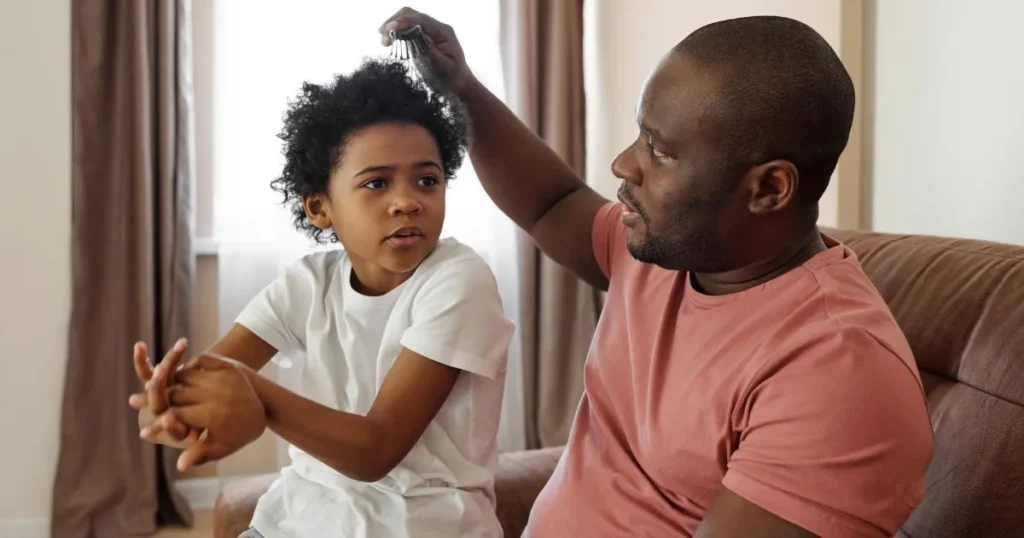

Some of the moments that have the greatest impact on your child take only a few minutes.
Try making these habits part of your day:
| Daily Habit | Why It Matters |
| Read together for 10–15 minutes | Supports language development and strengthens connection. |
| Eat one meal together | Encourages conversation and family bonding. |
| Offer specific praise | Builds confidence and motivation. |
| Listen without distractions | Helps your child feel heard and respected. |
| Give hugs and affection | Supports emotional security. |
| Create consistent routines | Reduces stress and improves cooperation. |
| End the day with a positive conversation | Strengthens trust and emotional connection. |
🌱 Parenting Whisper Reflection
Positive parenting isn’t measured by one perfect day.
Instead, it’s reflected in the countless everyday moments that quietly communicate this message to your child:
- “You are loved.”
- “You are safe.”
- “You can learn from mistakes.”
- “I’m here to help you grow.”
Those messages become part of the foundation your child carries into adulthood.
One of the reasons parents feel confused about positive parenting is that it’s often compared with other parenting approaches—or mistaken for them.
You may have heard terms like:
- Gentle parenting
- Authoritative parenting
- Permissive parenting
- Traditional parenting
Although these approaches share some similarities, they are not identical.
Understanding the differences can help you choose strategies that fit your family’s values while supporting your child’s healthy development.
Positive Parenting vs. Gentle Parenting
These two approaches are closely related, and many parents use elements of both.
Both emphasize:
- Respectful communication
- Emotional connection
- Empathy
- Teaching instead of punishing
- Long-term relationship building
However, there are subtle differences.
Positive parenting often focuses on encouraging desired behaviors through guidance, positive reinforcement, and consistent routines, while gentle parenting places additional emphasis on understanding emotions and responding with empathy.
In everyday family life, the two approaches frequently overlap.
Comparison Table
| Positive Parenting | Gentle Parenting |
| Focuses on teaching positive behaviors | Focuses heavily on emotional connection |
| Encourages positive reinforcement | Emphasizes empathy and emotional coaching |
| Uses consistent routines and boundaries | Also maintains boundaries but often discusses emotions in greater depth |
| Supports age-appropriate independence | Encourages collaboration and mutual respect |
| Based on guidance rather than fear | Based on respect, empathy, and understanding |
Neither approach encourages harsh punishment.
Both aim to raise emotionally healthy, responsible children.
👩⚕️ Expert Insight
Many parenting educators consider positive parenting and gentle parenting to be complementary rather than competing approaches. Families often combine principles from both while adapting them to their child’s personality and developmental stage.
Positive Parenting vs. Authoritative Parenting
This comparison often surprises parents because these two approaches are remarkably similar.
Authoritative parenting is one of the four classic parenting styles identified by developmental psychologists.
Positive parenting is a broader philosophy that shares many of the same principles.
Both encourage:
- Warm relationships
- Clear expectations
- Consistent boundaries
- Respectful communication
- Age-appropriate independence
The main difference is that authoritative parenting is a research-based parenting style, while positive parenting describes a collection of practical parenting principles and strategies.
Comparison Table
| Positive Parenting | Authoritative Parenting |
| Parenting philosophy | Parenting style identified in developmental research |
| Focuses on teaching skills | Balances warmth and structure |
| Encourages positive discipline | Uses consistent expectations and logical consequences |
| Builds emotional connection | Builds both confidence and responsibility |
In practice, many parents who use positive parenting also demonstrate an authoritative parenting style.
Positive Parenting vs. Permissive Parenting
This is where many misconceptions begin.
Some people believe positive parenting means avoiding consequences or saying “yes” to everything.
It doesn’t.
Permissive parenting combines a warm, supportive relationship with few rules or expectations.
Positive parenting combines warmth with clear boundaries.
Children still hear the word “no.”
Rules still exist.
Consequences still happen.
The difference is how parents communicate and teach.
Comparison Table
| Positive Parenting | Permissive Parenting |
| Warm and supportive | Warm and supportive |
| Sets clear boundaries | Few consistent boundaries |
| Uses logical consequences | Consequences are often inconsistent |
| Encourages responsibility | May avoid conflict to keep children happy |
| Guides behavior through teaching | Gives children greater freedom with fewer expectations |
Children benefit from knowing both:
“You are deeply loved.”
and
“I will help guide your choices.”
Positive parenting delivers both messages.
Positive Parenting vs. Traditional Punishment-Based Parenting
Some families were raised with parenting approaches based primarily on punishment, fear, or unquestioned obedience.
Positive parenting takes a different approach.
Instead of asking:
“How do I stop this behavior?”
It asks:
“What skill does my child need to learn?”
This doesn’t remove accountability.
It changes the goal from controlling behavior to teaching lifelong skills.
Comparison Table
| Positive Parenting | Punishment-Focused Parenting |
| Teaches skills | Focuses primarily on stopping behavior |
| Encourages cooperation | Often relies on obedience |
| Builds trust | May rely on fear of consequences |
| Uses logical consequences | Often uses unrelated punishments |
| Supports emotional regulation | May discourage emotional expression |
Common Positive Parenting Mistakes (And How to Avoid Them)

Positive parenting isn’t about perfection.
Even experienced parents occasionally struggle.
Recognizing common challenges can help you stay consistent without becoming discouraged.
Mistake #1: Thinking Positive Parenting Means Never Saying “No”
One of the biggest myths is that positive parenting avoids limits.
In reality, children need boundaries to feel safe.
A calm, respectful “no” is often one of the most loving things a parent can say.
Mistake #2: Expecting Immediate Results
Positive parenting teaches lifelong skills.
Like learning to read or ride a bike, emotional regulation takes time and practice.
Children usually need consistent practice and gentle reminders before a new lesson becomes part of their everyday behavior.
Progress is rarely perfectly linear.
Mistake #3: Giving Too Many Warnings
Repeated warnings teach children that boundaries aren’t consistent.
Instead:
- State the expectation.
- Give one reminder if appropriate.
- Calmly follow through with the agreed consequence.
Consistency builds trust.
Mistake #4: Forgetting to Care for Yourself
Parents who are exhausted often find it harder to respond calmly.
Taking care of your own well-being isn’t selfish.
It’s part of effective parenting.
Simple habits such as getting enough rest, asking for help, and taking short breaks when possible can improve your ability to respond thoughtfully.
Mistake #5: Comparing Yourself to Other Parents
Every child is different.
Every family has unique challenges.
The goal is not to imitate another parent’s approach to raising children.
The goal is to build a healthy relationship with your child.
📊 Did You Know?
Children don’t need perfect parents.
Developmental researchers consistently emphasize the importance of “good enough” parenting—caregiving that is consistently loving, responsive, and supportive, even though mistakes naturally happen along the way.
Positive Parenting Self-Assessment
Take a few minutes to reflect on your current parenting habits.
Choose the answer that sounds most like you.
1. When your child makes a mistake, you usually:
- A. Help them understand what they can learn.
- B. Focus mainly on punishment.
- C. Ignore the behavior.
- D. Solve the problem for them.
2. During difficult moments, you usually:
- A. Stay as calm as possible before responding.
- B. React quickly out of frustration.
- C. Avoid conflict whenever possible.
- D. Walk away completely.
3. Your family rules are:
- A. Clear and consistent.
- B. Very strict.
- C. Flexible most of the time.
- D. Rarely discussed.
4. When your child succeeds, you usually:
- A. Praise their effort.
- B. Expect even better next time.
- C. Buy a reward.
- D. Say very little.
5. Which statement best describes your parenting?
- A. I try to combine warmth with guidance.
- B. I believe strict discipline is most important.
- C. I mainly want my child to feel happy.
- D. I prefer my child to figure things out independently.
Your Results
Mostly A
You’re already using many positive parenting habits.
Continue focusing on consistency, connection, and respectful communication.
Mostly B
You value structure and responsibility.
Adding more empathy and open communication can strengthen your relationship without reducing your authority.
Mostly C
Your warmth is a wonderful strength.
Introducing clearer boundaries will help your child develop responsibility and self-control.
Mostly D
Life may be making it difficult to stay consistently engaged.
Even small moments of connection each day can have a lasting positive impact.
❤️ Parenting Whisper Reminder
This quiz is designed for self-reflection—not diagnosis.
Most parents naturally use different approaches depending on stress, circumstances, and their child’s personality.
The goal isn’t a perfect score.
It’s becoming a more intentional parent.
Frequently Asked Questions About Positive Parenting
What is positive parenting?
Positive parenting is an approach to raising children that combines warmth, respect, and consistent guidance. Rather than using fear or severe punishment, this approach guides children with encouragement, logical consequences, emotional support, and clear, age-appropriate limits. The goal is to build a strong parent-child relationship while helping children develop responsibility, confidence, and self-control.
What are the five principles of positive parenting?
Although different parenting experts may describe them in slightly different ways, five core principles of positive parenting include:
- Building a strong parent-child connection
- Setting clear and consistent boundaries
- Teaching instead of punishing
- Encouraging positive behavior
- Supporting emotional development
These principles work together to create a safe, respectful, and supportive environment where children can thrive.
Is positive parenting the same as gentle parenting?
Not exactly.
Positive parenting and gentle parenting share many similarities, including empathy, respectful communication, and relationship-building.
However, positive parenting places greater emphasis on teaching positive behaviors through encouragement, routines, and consistent expectations, while gentle parenting often focuses more deeply on emotional validation and understanding a child’s perspective.
Many families naturally combine elements of both approaches.
Does positive parenting spoil children?
No.
This is one of the most common misconceptions.
Positive parenting encourages kindness and empathy, but it also includes clear rules, healthy boundaries, and appropriate consequences.
Children are not spoiled by feeling loved, respected, or emotionally supported. They benefit when those qualities are balanced with guidance and accountability.
How do you discipline a child using positive parenting?
Positive discipline focuses on teaching rather than punishing.
Depending on your child’s age and the situation, this might include:
- Explaining why a behavior isn’t acceptable
- Using logical or natural consequences
- Helping children solve problems
- Practicing better choices together
- Encouraging responsibility after mistakes
The goal is to help children learn skills they can use in future situations rather than simply stopping unwanted behavior in the moment.
At what age should you start positive parenting?
Positive parenting can begin from birth.
Even babies benefit from warm, responsive caregiving, predictable routines, and loving interactions.
As children grow, positive parenting strategies naturally evolve to match their developmental stage, from comforting infants to coaching teenagers through increasingly complex decisions.
Can positive parenting work with teenagers?
Yes.
Positive parenting remains effective throughout adolescence, although the strategies change.
Teenagers benefit from:
- Respectful conversations
- Shared problem-solving
- Clear expectations
- Appropriate independence
- Consistent boundaries
As children mature, your role gradually shifts from managing every decision to guiding them toward making responsible choices independently.
Is positive parenting backed by research?
Yes.
Many of the principles associated with positive parenting are supported by decades of research in developmental psychology, attachment theory, neuroscience, and child development.
Organizations such as the American Academy of Pediatrics (AAP), the Centers for Disease Control and Prevention (CDC), and the American Psychological Association (APA) encourage parenting practices that combine responsive relationships with consistent guidance and healthy boundaries.
Key Takeaways
If you remember only a few ideas from this guide, let them be these:
✅ Positive parenting is built on connection, respect, and consistency.
✅ Children need both love and boundaries to thrive.
✅ Discipline works best when it teaches rather than intimidates.
✅ Mistakes are opportunities for learning—for children and parents alike.
✅ Small, everyday interactions often shape your relationship more than big parenting moments.
✅ You don’t have to be a perfect parent to raise a confident, emotionally healthy child.
❤️ Parenting Whisper Reminder
Every bedtime story you read…
Every hug after a difficult day…
Every calm conversation after a mistake…
Every moment you choose connection over anger…
You’re helping your child build skills they’ll carry long after childhood ends.
Positive parenting isn’t about getting everything right.
It’s about showing up with love, learning alongside your child, and continuing to grow together.
Conclusion

There is no single parenting method that guarantees an easy childhood or a conflict-free home.
Every family experiences difficult mornings, emotional meltdowns, sibling disagreements, and moments of frustration.
Positive parenting doesn’t eliminate those challenges.
It changes how you respond to them.
By focusing on connection before correction, setting consistent boundaries, encouraging responsibility, and teaching emotional skills, you’re helping your child build the confidence and resilience they’ll rely on throughout life.
Perhaps the most reassuring truth is this:
You don’t need to be perfect.
Children don’t need parents who are perfect—they benefit from parents who are willing to learn, grow, and repair after mistakes.
They benefit from parents who are willing to listen, learn, apologize when needed, and return each day ready to strengthen their relationship.
Every calm conversation…
Every encouraging word…
Every moment of empathy paired with a healthy boundary…
These small choices add up over time.
They become the foundation of trust, emotional security, and lifelong learning.
So instead of asking,
“Am I doing enough?”
Try asking,
“How can I connect with my child today?”
That simple question may be one of the most powerful parenting tools you’ll ever have.
Références
The information in this guide is informed by research and guidance from trusted organizations and foundational studies in child development.
Professional Organizations
- American Academy of Pediatrics (AAP). HealthyChildren.org – Parenting guidance and healthy child development.
- American Psychological Association (APA). Parenting resources and child development research.
- Centers for Disease Control and Prevention (CDC). Positive Parenting Tips.
- National Institute of Child Health and Human Development (NICHD). Child development resources.
- Center on the Developing Child at Harvard University. Research on early childhood development and responsive caregiving.
Foundational Research
- Baumrind, D. (1966). Effects of Authoritative Parental Control on Child Behavior.
- Baumrind, D. (1967). Child Care Practices Anteceding Three Patterns of Preschool Behavior.
- Maccoby, E. E., & Martin, J. A. (1983). Socialization in the Context of the Family: Parent–Child Interaction.
- Bandura, A. (1977). Social Learning Theory.
- Dweck, C. S. (2006). Mindset: The New Psychology of Success.
Editorial Note
This article is intended for educational purposes only and should not replace professional medical, psychological, or mental health advice. Every child is unique, and parenting strategies should be adapted to your child’s age, temperament, developmental needs, and family circumstances. If you have concerns about your child’s behavior, development, or emotional well-being, consult your pediatrician or another qualified healthcare professional.