Attachment Parenting
Gentle Parenting

Attachment Parenting: Principles, Practices, Benefits, and What the Research Says

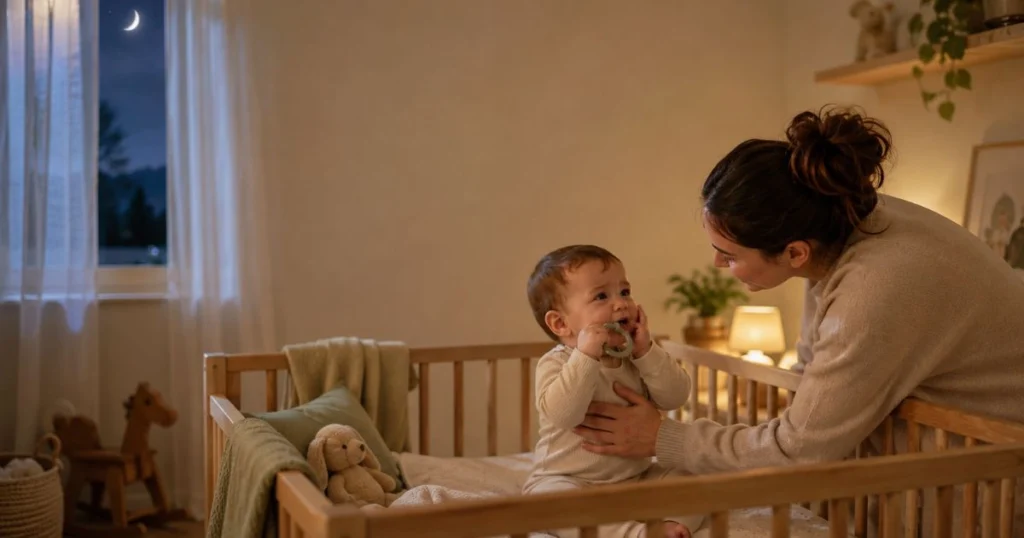
Attachment parenting is built around a simple idea: babies are not trying to make life difficult. Their cries, movements, facial expressions, and behaviors are ways of communicating needs. Instead of encouraging parents to make babies fit a predetermined schedule, attachment parenting emphasizes learning the individual child and responding with sensitivity, closeness, and consistency. The approach


Uninvolved Parenting
Gentle Parenting

Uninvolved Parenting: Signs, Causes, Effects, and How to Break the Cycle

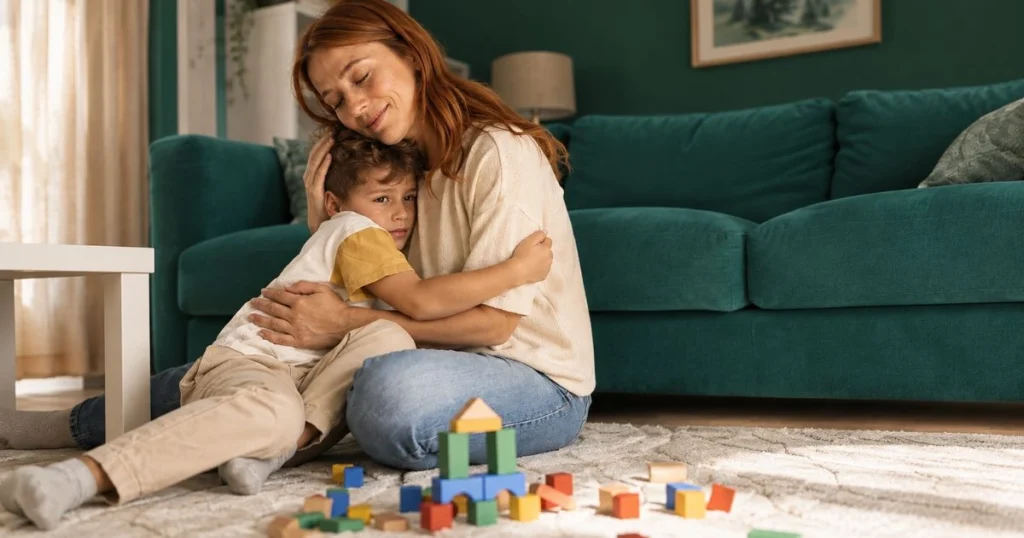
Parenting does not require being available every minute of the day. Every parent gets tired, distracted, overwhelmed, or simply needs time alone. There is an important difference, though, between occasionally being unavailable and consistently being emotionally or practically absent from a child’s life. Uninvolved parenting describes a pattern in which a parent provides little emotional

toddler hitting
Gentle Parenting

How to Stop Toddler Hitting Without Punishment

Few parenting moments feel as uncomfortable as watching your toddler raise a hand and hit you, a sibling, or another child. Toddler hitting can leave you feeling angry, embarrassed, confused, or even wondering whether you’re somehow failing as a parent. Then comes the question: How do you stop toddler hitting without punishment? The good news

Toddler Emotions
Gentle Parenting

Toddler Emotions: 10 Gentle Ways to Handle Big Feelings 

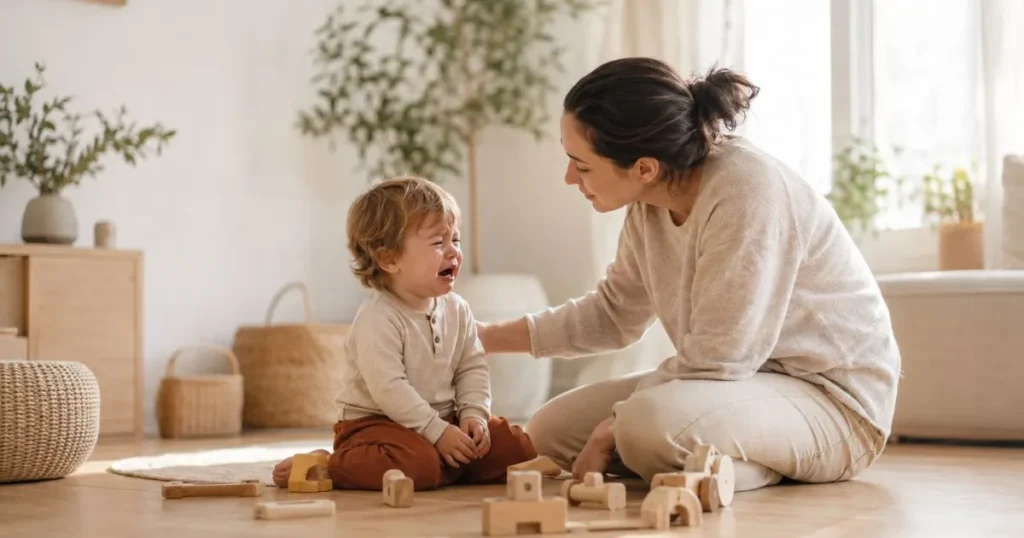
Toddlers can seem perfectly happy one minute and completely overwhelmed the next. A spilled cup, a broken cracker, leaving the playground, getting dressed, or hearing the word “no” can suddenly lead to crying, screaming, hitting, or a full-blown tantrum. These everyday moments are often closely connected to Toddler Emotions, which are still developing at this

Scroll to Top