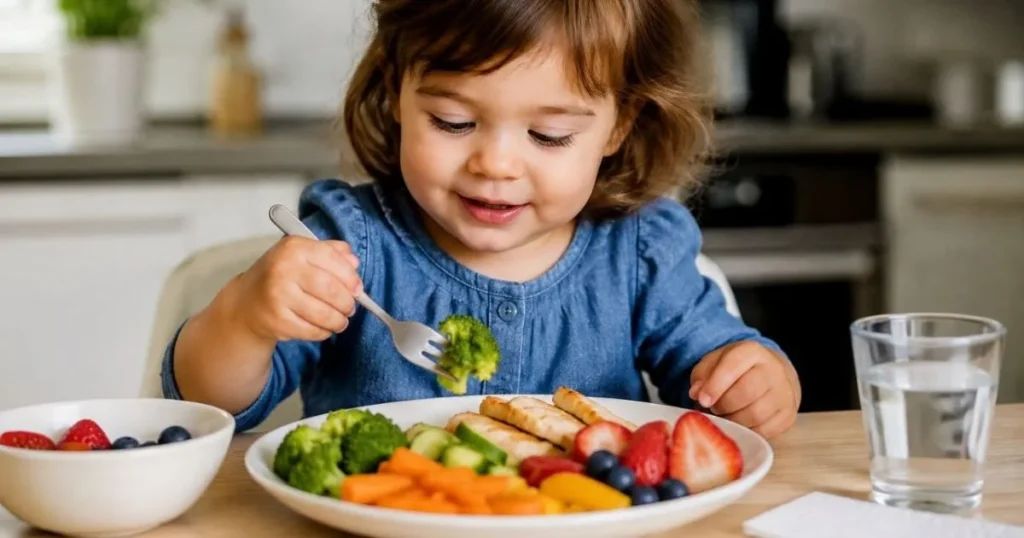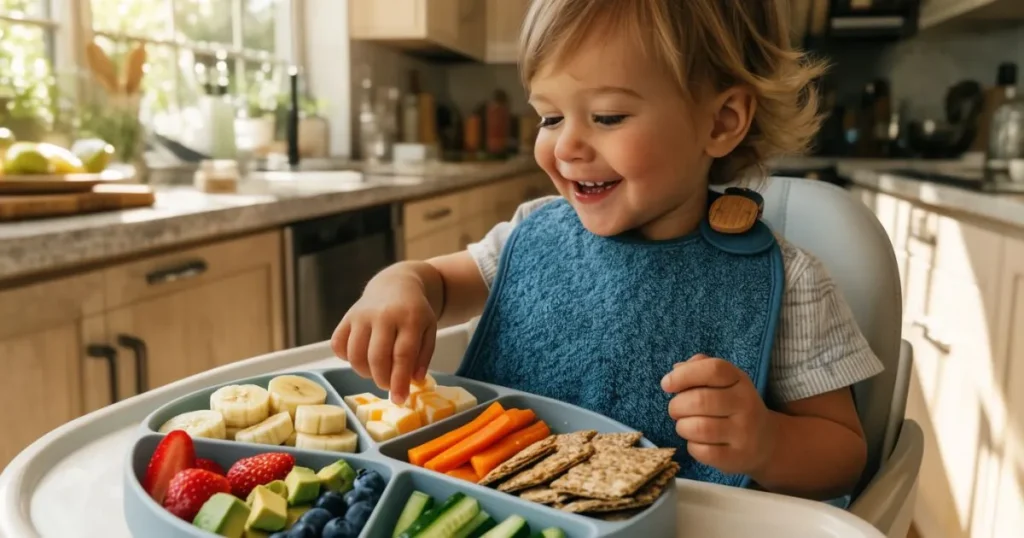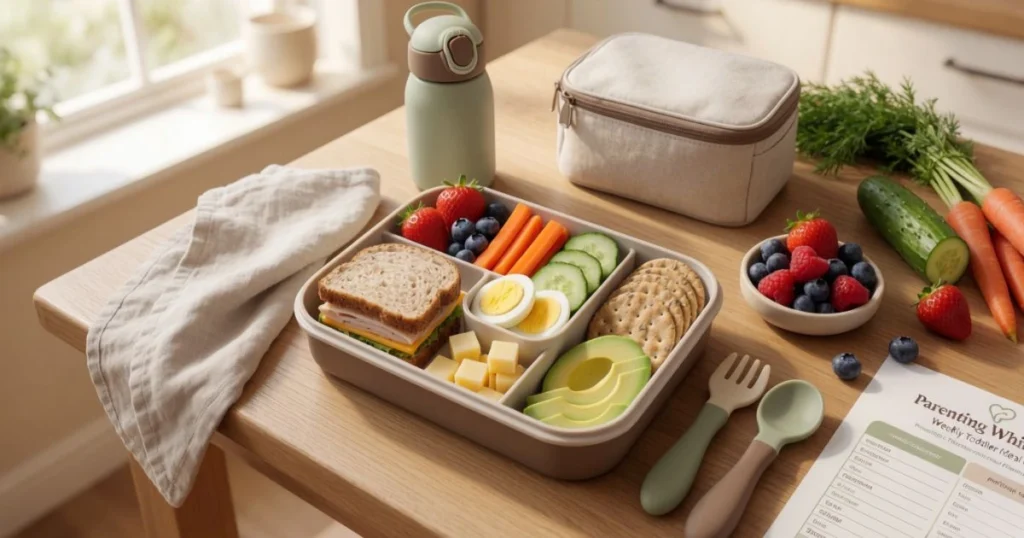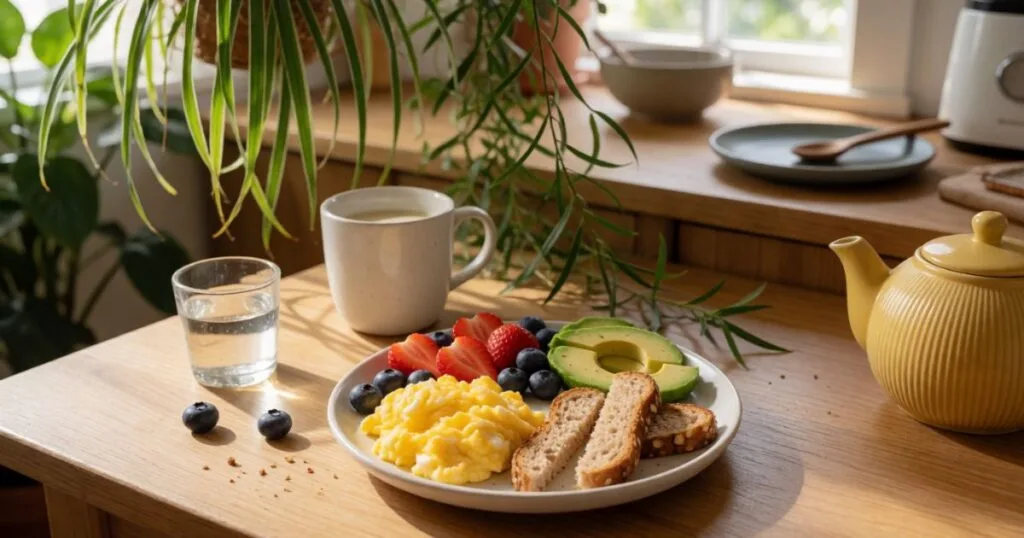
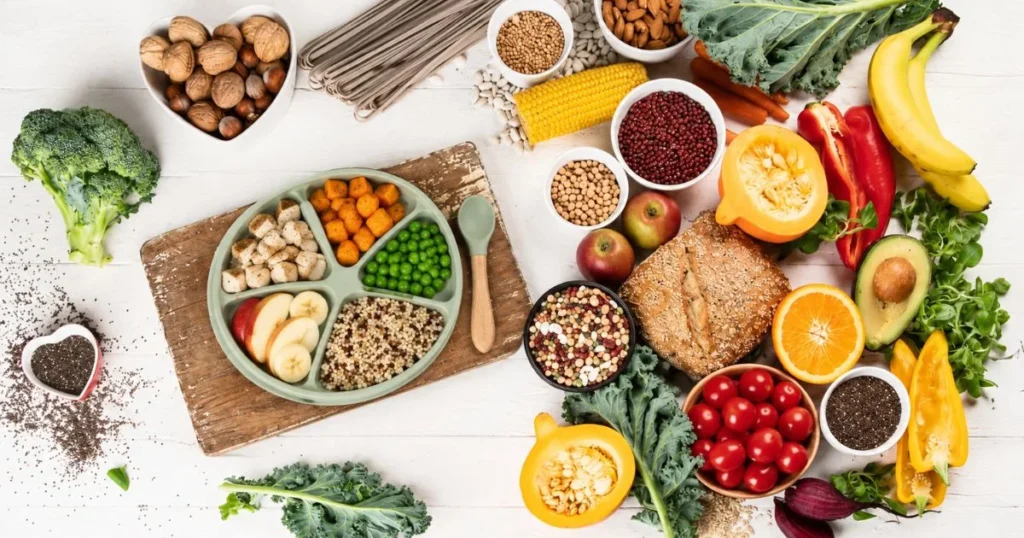
Getting your toddler to eat a balanced meal can sometimes feel like negotiating with a very small, very determined food critic.
You offer broccoli, and it lands on the floor. You serve a pear, and your toddler suddenly decides pears are unacceptable. Then the same child asks for crackers for the third time that day.
If this sounds familiar, you are not alone.
The good news is that increasing your toddler’s fiber intake does not mean forcing vegetables at every meal or counting every gram of fiber. You can build a fiber-rich diet from foods your child may already enjoy, including berries, pears, oatmeal, avocado, sweet potatoes, beans, lentils, and whole grains. Many of these foods are also among the best high fiber foods for toddlers to include in everyday meals.
In this guide, you’ll find 25 high fiber foods for toddlers, easy ways to serve them, simple recipes, snack combinations, and practical strategies for adding more fiber without turning mealtimes into another battle.
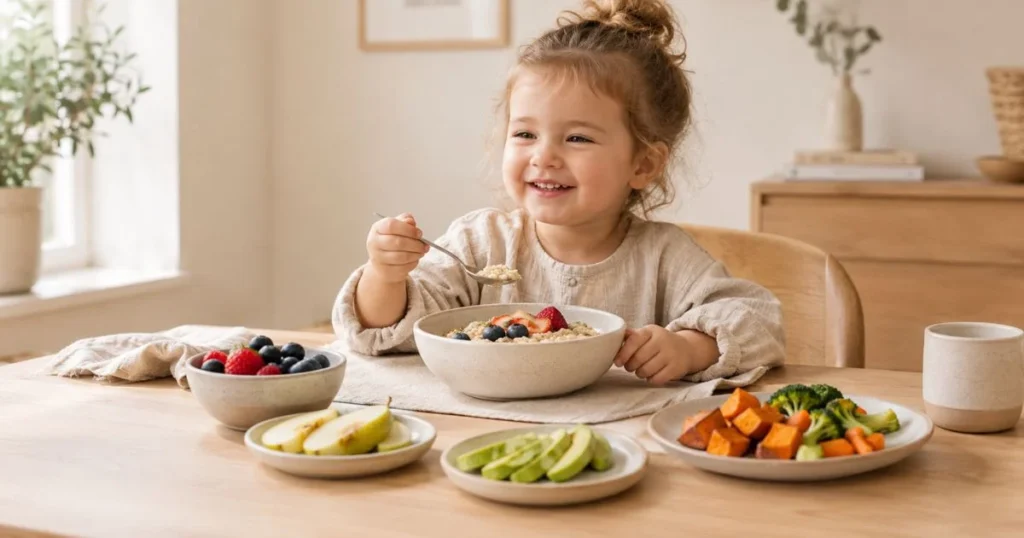
Why Fiber Matters for Toddlers
Dietary fiber occurs naturally in plant-based foods. Because your body does not completely digest it, fiber passes through the digestive system and helps support healthy digestion.
For toddlers, including high fiber foods for toddlers in their diet can help promote regular bowel movements while also providing a range of important nutrients.
How fiber supports digestion
One of the most recognized benefits of fiber is its ability to support regular bowel movements. Depending on the type of fiber and the overall eating pattern, fiber can add bulk to stool and help make bowel movements softer and easier to pass.
Including high fiber foods for toddlers, such as fruits, vegetables, beans, peas, nuts, seeds, and whole grains, can help children get fiber along with a variety of important nutrients. The American Academy of Pediatrics recommends offering a variety of these foods rather than focusing too heavily on counting individual grams of fiber.
Fiber can help your toddler feel satisfied
Foods that naturally contain fiber can also help your toddler feel satisfied after eating. For example, oatmeal topped with berries may be more filling than a highly refined snack by itself because it combines whole grains with fruit.
The goal is not to make every meal extremely high in fiber. Instead, aim to include a variety of high fiber foods for toddlers throughout the day as part of a balanced eating pattern.
Fiber-rich foods bring other nutrients, too
A pear offers more than just fiber; it also provides other valuable nutrients. Beans and lentils combine fiber with plant-based protein, while whole grains provide carbohydrates and a range of other nutrients. Fruits and vegetables also contribute essential vitamins and minerals.
That is why offering a variety of high fiber foods for toddlers is more valuable than focusing on one so-called “superfood.”
How Much Fiber Does Your Toddler Need?
When looking into how much fiber your toddler needs, you may come across different numbers from one source to another.
This is because fiber recommendations can differ based on your child’s age, the dietary guidelines being followed, and how fiber needs are calculated.
The simple “age + 5” guideline
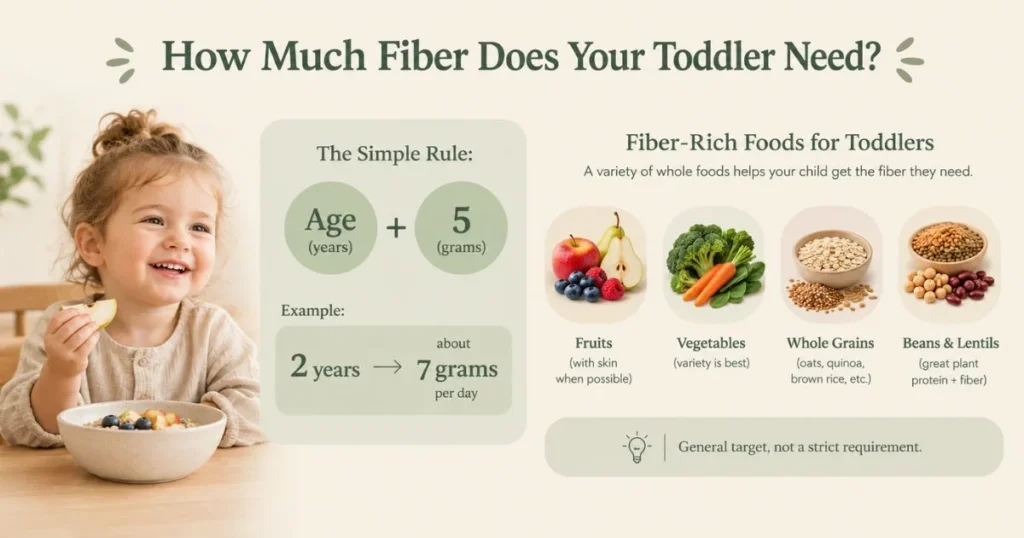
TThe American Academy of Pediatrics describes a simple rule of thumb for estimating a child’s daily fiber needs: add five to your child’s age. This can provide a general target rather than a strict requirement.
For example, using this rule, a 2-year-old would be estimated at around 7 grams of fiber per day.
However, the AAP also emphasizes a practical approach: when your child regularly eats a variety of fruits, vegetables, whole grains, and other high fiber foods for toddlers, you generally do not need to count every gram.
Instead of asking:
“Did my toddler eat exactly 7 grams today?”
Try asking:
- Did my child eat some fruit?
- Did we offer a vegetable?
- Did they have a whole grain?
- Did we include beans, peas, or lentils?
- Are we offering a variety of foods throughout the week?
This approach can make it much easier to include high fiber foods for toddlers as part of everyday family meals without turning nutrition into a numbers game.
How to Serve High Fiber Foods Safely to Toddlers
Many high fiber foods for toddlers are nutritious, but some need to be prepared carefully before being offered to young children.
The CDC recommends choosing food textures and preparation methods that match your child’s developmental eating skills. Depending on the food, you may need to cook it until soft, mash it, cut it into small pieces, or modify its shape and texture to help reduce choking risk.
Foods that need special preparation
Depending on your child’s age and eating skills:
- Cook firm vegetables such as carrots until they are soft and tender.
- Soften hard fruits such as apples by cooking them, or prepare them in an age-appropriate grated form.
- Mash or finely prepare beans and chickpeas when necessary.
- Spread nut butter in a thin layer instead of offering a thick spoonful.
- Prepare round foods such as berries or grapes in an appropriate shape and size.
- Avoid whole nuts and popcorn for young children because they can pose a choking risk.
- Always stay with and supervise your toddler while they are eating.
The key takeaway is that even nutritious high fiber foods for toddlers need to be served in a safe, age-appropriate form.
25 High Fiber Foods for Toddlers
Now for the practical part.
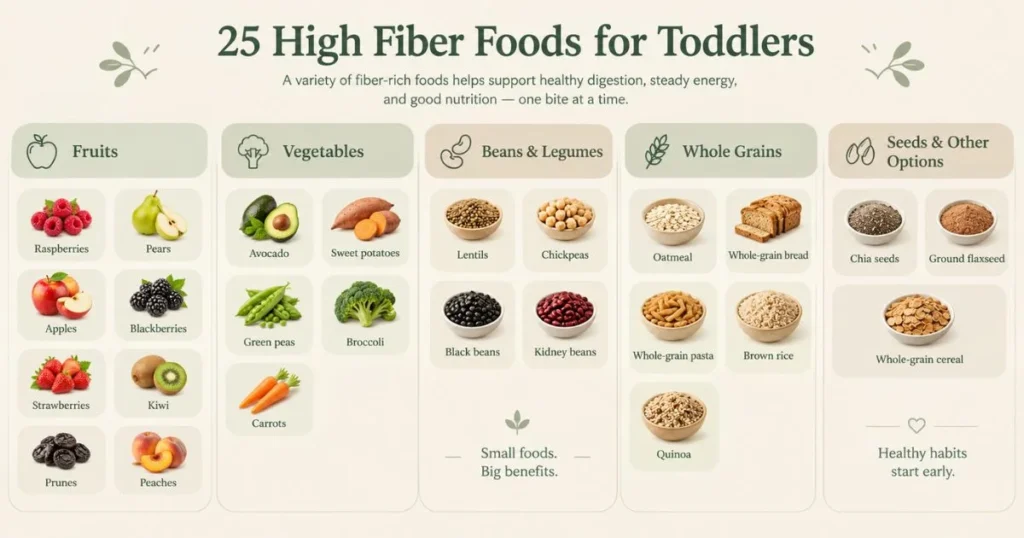
You don’t need to offer all 25 high fiber foods for toddlers in a single week, and your toddler certainly doesn’t have to enjoy every one of them. Start with a few familiar options, then gradually introduce new foods alongside the ones your child already knows.
High Fiber Fruits for Toddlers
1. Raspberries
Raspberries are a flavorful way to add fiber and more fruit variety to your toddler’s meals. They can also be an easy addition to your list of high fiber foods for toddlers.
Try serving them:
- Mashed into plain yogurt
- Stirred into oatmeal
- Chopped or prepared in a way that matches your child’s eating skills
- Served alongside whole-grain toast
Their natural sweetness may also make them easier to introduce to a toddler who is hesitant to try vegetables.
2. Pears
Pears are an easy fruit to include in high fiber foods for toddlers because they are naturally sweet and become softer as they ripen.
Try serving them as:
- Soft, appropriately prepared pear pieces
- Mashed pear mixed into oatmeal
- Pear combined with plain yogurt
- Cooked pear with a little cinnamon
3. Apples
Apples can be a helpful addition to high fiber foods for toddlers, especially when the edible skin is included. However, firm pieces of raw apple require careful preparation for young children.
For younger or less experienced eaters, consider:
- Grated apple
- Soft, cooked apple
- Unsweetened applesauce
- Very thinly prepared pieces that match your child’s eating skills
4. Blackberries
Blackberries are another nutritious option to include among high fiber foods for toddlers, giving your child some variety beyond the usual banana-and-apple routine.
You can mash them into plain yogurt, stir them into oatmeal, or serve them alongside other breakfast foods.
5. Strawberries
Strawberries are another simple addition to high fiber foods for toddlers, making it easy to include more fruit in snacks and meals.
Try serving them as:
- Chopped strawberries with plain yogurt
- Strawberries mixed into oatmeal
- Soft, appropriately prepared pieces alongside whole-grain toast
- Mashed strawberries stirred into plain yogurt
6. Kiwi
Kiwi is another useful addition to high fiber foods for toddlers, giving your child a different flavor and texture to explore.
Try serving it:
- Diced into appropriately sized pieces
- Mixed with plain yogurt
- Served alongside oatmeal
- Combined with other soft fruits
7. Prunes
Prunes are worth including among high fiber foods for toddlers because they are a concentrated fruit source of fiber and are often used as part of dietary approaches to constipation.
Try mixing chopped or pureed prunes into oatmeal or plain yogurt.
If your toddler has ongoing constipation, though, don’t rely on dietary changes alone. Talk with your child’s healthcare professional if symptoms persist or you notice anything concerning.
8. Peaches
Soft peaches can be an easy addition to high fiber foods for toddlers, whether you serve them as a snack or include them at breakfast.
Try offering:
- Soft, diced peach
- Peach mixed into oatmeal
- Peach with plain yogurt
- Unsweetened canned peaches with no added sugar
The CDC recommends offering young children a variety of fruits, including options such as pears, strawberries, and avocado, as part of a healthy eating pattern.
High Fiber Vegetables for Toddlers
9. Avocado
Avocado is technically a fruit, but it is often used more like a vegetable in toddler meals. Its creamy texture makes it easy to mash and pair with other foods, making it a useful choice among high fiber foods for toddlers.
Try serving it as:
- Avocado toast
- Mashed avocado with egg
- Avocado mixed with beans
- A simple avocado dip
10. Sweet Potatoes
Sweet potatoes have a naturally sweet flavor, which may make them easier for some toddlers to accept. They are also a nutritious option to include among high fiber foods for toddlers.
Try serving them as:
- Mashed sweet potato
- Soft roasted pieces
- Sweet potato pancakes
- Sweet potato combined with lentils
11. Green Peas
Peas are small, versatile, and easy to incorporate into meals your toddler already enjoys. They can also be a simple addition to a variety of high fiber foods for toddlers.
Try serving them as:
- Peas mixed into pasta
- Mashed peas spread on toast
- Peas served with rice
- Peas mixed into scrambled eggs
12. Broccoli
If your toddler rejects broccoli the first time, don’t assume the food is permanently off the menu.
Steam it until tender and experiment with different presentations.
You can serve broccoli:
- As soft florets
- Chopped into pasta
- Mixed into eggs
- With a small amount of hummus or another suitable dip
13. Carrots
Cooked carrots can be soft, naturally sweet, and easy to include in family meals. They are also a simple option to add to your list of high fiber foods for toddlers.
Try serving them as:
- Soft, cooked carrot pieces
- Mashed carrots
- Carrots blended into soup
- Cooked carrots served with hummus
The CDC specifically includes cooked carrots, beans, peas, lentils, and sweet potatoes among foods that can be offered to young children, with preparation adjusted to match their eating skills.
High Fiber Beans and Legumes for Toddlers
Beans and lentils are especially useful because they can contribute both fiber and plant protein.
14. Lentils
Lentils become soft when cooked, making them an easy addition to meals your toddler already enjoys. They are also an excellent choice among high fiber foods for toddlers.
Try serving them as:
- Lentil soup
- Lentils mixed with rice
- Lentils stirred into pasta sauce
- Mashed lentils combined with sweet potato
15. Chickpeas
Chickpeas can be a surprisingly versatile addition to your toddler’s meals and are another useful option among high fiber foods for toddlers.
Try serving them as:
- Smooth hummus
- Mashed chickpeas
- Soft chickpea patties
- Chickpeas blended into soup
Avoid offering whole or firm chickpeas when their shape or texture is not appropriate for your child’s developmental eating skills.
16. Black Beans
Black beans are another versatile choice among high fiber foods for toddlers and can be mashed or mixed into familiar meals.
Try serving them as:
- Black bean quesadillas
- Mashed black beans with rice
- A smooth bean spread on whole-grain toast
- Black beans combined with avocado
17. Kidney Beans
Kidney beans should be cooked thoroughly and prepared in a texture that is appropriate for your toddler’s eating skills. They can be a nutritious addition to high fiber foods for toddlers.
Try mashing them into a soft bean spread or mixing them into a family meal before setting aside your toddler’s portion.
High Fiber Whole Grains for Toddlers
Whole grains are another practical way to add more fiber without making major changes to the foods your toddler already eats. They are an important category of high fiber foods for toddlers.
The CDC recommends whole-grain breads, crackers, and pastas as suitable options for young children.
18. Oatmeal
Oatmeal is one of the easiest high-fiber breakfast foods for toddlers because you can change the flavor without changing the basic meal.
Try adding:
- Berries
- Mashed banana
- Pear
- Ground flaxseed
- Plain yogurt
19. Whole-Grain Bread
A simple bread swap can make a familiar meal more fiber-rich and add another option to your toddler’s high fiber foods for toddlers.
Use whole-grain bread for:
- Avocado toast
- Egg sandwiches
- Thinly spread nut butter
- Bean toast
When shopping, check the ingredient list and Nutrition Facts label instead of relying only on terms such as “multigrain” on the front of the package. The AAP recommends looking at the dietary fiber amount and checking for whole-grain ingredients.
20. Whole-Grain Pasta
If your toddler already enjoys pasta, you don’t need to take it off the menu. Instead, whole-grain pasta can be an easy way to add another option to your high fiber foods for toddlers.
Try gradually replacing refined pasta with whole-grain pasta, or mix the two together while your child becomes familiar with the different texture.
21. Brown Rice
Brown rice can be paired with foods your toddler already likes.
Try:
- Brown rice + beans
- Brown rice + peas
- Brown rice + egg
- Brown rice + soft vegetables
22. Quinoa
Quinoa can be served warm and combined with vegetables, beans, egg, or avocado, making it a versatile option among high fiber foods for toddlers.
If your toddler doesn’t enjoy quinoa on its own, try mixing a small amount into a familiar food instead of insisting that they eat a full serving.
High Fiber Seeds and Other Options
23. Chia Seeds
Chia seeds can be a simple addition to high fiber foods for toddlers when mixed into moist foods such as oatmeal, yogurt, or smoothies.
Avoid offering chia seeds as a dry snack. Instead, mix them thoroughly into the food and prepare them in a way that is appropriate for your toddler’s eating skills.
24. Ground Flaxseed
Ground flaxseed is another easy addition to high fiber foods for toddlers and can be mixed into foods your child already enjoys.
Try adding it to:
- Oatmeal
- Yogurt
- Pancakes
- Smoothies
Start with a small amount instead of suddenly introducing large quantities of fiber-rich seeds into your toddler’s diet.
25. Whole-Grain Cereal
A suitable whole-grain cereal can make breakfast simple while adding another convenient option to your toddler’s high fiber foods for toddlers.
Look for:
- Whole grains listed among the main ingredients
- A useful amount of dietary fiber
- Little or no added sugar
- A texture that is appropriate for your toddler
The AAP suggests choosing whole-grain cereals that provide at least 3 grams of fiber per serving while also paying attention to the amount of sugar.
A Quick Guide to 25 High Fiber Foods for Toddlers
| Food | Food group | Easy serving idea |
| Raspberries | Fruit | Yogurt or oatmeal |
| Pears | Fruit | Soft diced |
| Apples | Fruit | Grated or cooked |
| Blackberries | Fruit | Mashed with yogurt |
| Strawberries | Fruit | Chopped |
| Kiwi | Fruit | Diced |
| Prunes | Fruit | Oatmeal or yogurt |
| Peaches | Fruit | Soft diced |
| Avocado | Fruit | Mashed on toast |
| Sweet potatoes | Vegetable | Mashed |
| Green peas | Vegetable | Mixed into pasta |
| Broccoli | Vegetable | Steamed and chopped |
| Carrots | Vegetable | Soft cooked |
| Lentils | Legume | Mashed or in soup |
| Chickpeas | Legume | Smooth hummus |
| Black beans | Legume | Mashed with rice |
| Kidney beans | Legume | Soft mashed |
| Oatmeal | Whole grain | Topped with fruit |
| Whole-grain bread | Whole grain | Toast |
| Whole-grain pasta | Whole grain | With vegetables |
| Brown rice | Whole grain | With beans |
| Quinoa | Grain/seed | Mixed with vegetables |
| Chia seeds | Seed | Oatmeal or yogurt |
| Ground flaxseed | Seed | Oatmeal or yogurt |
| Whole-grain cereal | Whole grain | With fruit |
Easy High Fiber Recipes for Toddlers
Berry Banana Oatmeal
| Ingredient | Amount |
| Oats | ¼ cup |
| Water or milk | ½–¾ cup |
| Mashed banana | ½ banana |
| Soft berries | ¼ cup |
| Ground flaxseed | 1 tsp |
Cook the oats until soft, then stir in the banana and berries. Add the flaxseed after cooking and adjust the texture as needed.
Sweet Potato Lentil Mash
| Ingredient | Amount |
| Cooked lentils | ½ cup |
| Cooked sweet potato | ¼ cup |
| Olive oil | 1 tsp |
| Water | As needed |
Mash everything together until you reach a texture your toddler handles comfortably.
Avocado Bean Toast
| Ingredient | Amount |
| Whole-grain bread | 1 small slice |
| Mashed avocado | 2 tbsp |
| Mashed black beans | 1–2 tbsp |
Spread the avocado and mashed beans thinly over the toast. Cut the toast into an appropriate shape and size for your child’s eating skills.
Berry Yogurt Bowl
| Ingredient | Amount |
| Plain yogurt | ½ cup |
| Mashed berries | ¼ cup |
| Soft pear | 2 tbsp |
| Ground flaxseed | 1 tsp |
Mix everything together and serve immediately.
These are examples rather than prescribed portions. Your toddler’s appetite, age, feeding skills and overall diet all matter.
High Fiber Snacks for Toddlers
When you need something quick, pair high fiber foods for toddlers with another familiar food your child already enjoys.
Try:
- Pear + plain yogurt
- Berries + yogurt
- Whole-grain toast + avocado
- Oatmeal + banana
- Soft sweet potato
- Hummus + appropriately prepared vegetables
- Apple + a thin spread of nut butter
- Kiwi + yogurt
- Whole-grain cereal + fruit
- Mashed beans + whole-grain toast
The CDC encourages repeated exposure to nutritious foods because toddlers may reject a food several times before becoming comfortable with it.
How to Add More Fiber Without a Mealtime Battle
You don’t need to announce that dinner is now a “high-fiber meal.”
Instead, make small changes.
Start with foods your toddler already likes
If your toddler loves pasta, try whole-grain pasta.
If they love yogurt, add mashed berries.
If toast is a favorite, try avocado on whole-grain bread.
Small swaps are often easier than completely unfamiliar meals.
Pair a new food with a familiar food
Instead of serving lentils alone, mix them with rice.
Instead of offering broccoli by itself, serve a small amount alongside pasta.
This gives your child something familiar while they explore something new.
Let your toddler decide how much to eat
Your role is to offer appropriate foods. Your toddler does not need to clean the plate.
A meal can still be successful even if your child takes only one bite of the new food.
Keep offering foods without pressure
Toddlers can need repeated exposure before they accept a new food. The CDC recommends continuing to offer foods even when children initially reject them.
Increase fiber gradually
If your toddler currently eats very little fiber, suddenly adding large amounts can lead to gas or bloating.
Increase fiber-rich foods gradually and continue offering water throughout the day.
High Fiber Foods for Toddlers With Constipation
If you’re looking for high fiber foods for toddlers because your child is constipated, it’s better to focus on their overall diet rather than relying on a single “magic” food.
Foods such as:
- Pears
- Prunes
- Kiwi
- Peaches
- Peas
- Beans
- Lentils
- Oatmeal
- Whole grains
- Vegetables
can all contribute fiber to your child’s diet.
However, constipation can have several causes. For some children, changing their diet alone may not be sufficient.
Don’t forget fluids
As you add more high fiber foods for toddlers to your child’s diet, continue offering water regularly throughout the day.
You don’t need to pressure your toddler to drink excessive amounts of water. Instead, make water available throughout the day and with meals.
For children over 12 months, the CDC recommends water and appropriate unsweetened beverages while limiting sugary drinks. It also recommends offering whole fruits rather than relying on juice.
When should you contact your child’s healthcare provider?
Talk to your child’s healthcare provider if constipation continues, becomes severe, or occurs alongside warning signs such as:
- Significant abdominal pain
- Vomiting
- Blood in the stool
- A swollen abdomen
- Poor appetite
- Symptoms that do not improve
Don’t assume that every bowel problem can be solved by simply adding more fiber.
A Simple 1-Day High Fiber Meal Plan for Toddlers
| Meal | Example | Fiber-rich foods |
| Breakfast | Berry oatmeal with banana | Oats, berries, banana |
| Morning snack | Pear + plain yogurt | Pear |
| Lunch | Lentil pasta with peas | Lentils, whole grain, peas |
| Afternoon snack | Avocado whole-grain toast | Avocado, whole grain |
| Dinner | Black beans, brown rice and sweet potato | Beans, whole grain, vegetable |
Think of this as a sample routine, not a schedule you have to follow exactly. Your toddler may eat more or less depending on hunger, activity, growth and what else they eat during the day.
Common Mistakes When Increasing Fiber
Adding too much too quickly
More fiber isn’t automatically better. Gradual changes can be easier on your toddler’s digestive system.
Focusing on one “superfood”
Your toddler doesn’t need chia seeds at every meal.
Variety is more useful than repeatedly serving one food because it contains a lot of fiber.
Forgetting about fluids
Fiber is most beneficial when it is included as part of a balanced overall diet. Continue offering water regularly.
Depending on supplements
Food should generally be your starting point. If your child has ongoing constipation or another medical concern, ask their healthcare provider whether a fiber supplement is appropriate rather than starting one on your own.
Turning food into another battle
Your toddler refusing broccoli doesn’t mean you’ve failed.
Keep offering nutritious options, allow your child to decide how much to eat, and keep mealtimes as relaxed as you reasonably can.
Frequently Asked Questions About High Fiber Foods for Toddlers
What are the best high fiber foods for toddlers?
Some practical choices include berries, pears, prunes, avocado, sweet potatoes, peas, beans, lentils, oatmeal and whole grains. The best choice is often one your toddler will actually eat and that you can serve safely.
What fruit is highest in fiber for toddlers?
Raspberries, blackberries, pears and prunes are particularly useful fiber-rich fruit choices. The amount of fiber depends on the food and serving size, so focus on offering a variety of fruits rather than searching for one winner.
What foods help a toddler poop?
Fiber-rich foods such as pears, prunes, kiwi, vegetables, beans, lentils, oatmeal and whole grains can support a healthy digestive pattern. Adequate fluids and an overall balanced diet matter too.
How much fiber does a 2-year-old need?
The AAP describes an easy “age + 5” rule of thumb for estimating children’s daily fiber needs. For a 2-year-old, that would be about 7 grams per day. However, the AAP also emphasizes that parents generally don’t need to count every gram when children regularly eat a varied diet containing fruits, vegetables and other fiber-rich foods.
Can toddlers eat chia seeds?
Chia seeds can be incorporated into moist foods such as oatmeal or yogurt. Prepare them in a way that is appropriate for your child’s developmental eating skills rather than serving dry seeds by themselves.
Are bananas high in fiber?
Bananas provide dietary fiber and can certainly be part of a toddler’s diet. They don’t need to be your only fruit choice. Rotate bananas with berries, pears, kiwi, peaches and other fruits.
Can too much fiber cause gas or bloating in toddlers?
A sudden increase in fiber can cause digestive discomfort for some children. If your toddler currently eats little fiber, increase fiber-rich foods gradually and offer water regularly.
Should toddlers take fiber supplements?
Not routinely. Start with food sources of fiber whenever possible. If your toddler has persistent constipation or another reason for needing additional fiber, discuss supplements with their healthcare provider.
Conclusion: You Don’t Need a Perfect Toddler Diet
Getting enough fiber doesn’t require a perfect menu.
Your toddler may love pears one week and refuse them the next. They may happily eat lentils at daycare but push them away at home. They may decide that broccoli is unacceptable today and ask for it tomorrow.
That’s normal toddler behavior.
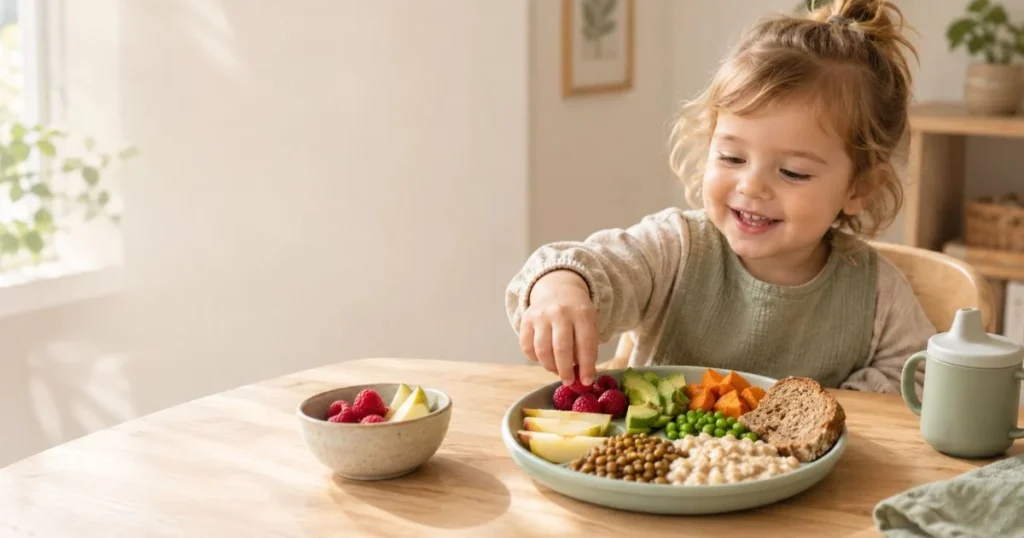
Instead of trying to make every plate perfect, look at the bigger picture. Offer a variety of fruits, vegetables, beans, lentils, whole grains, and other high fiber foods for toddlers throughout the week. Make small swaps when they feel realistic, prepare foods in safe textures, and give your child repeated opportunities to explore new foods.
Most importantly, you don’t have to turn nutrition into a power struggle.
Start with two or three foods from this list that your toddler already enjoys. Then choose one new food to introduce alongside something familiar.
Small changes can add up.
If you’re building a more balanced toddler diet, explore more of our Toddler Nutrition guides on finger foods, first foods, feeding schedules, and age-appropriate meal ideas. Your goal isn’t to create a perfect eater. It’s to help your child gradually build a healthy, comfortable relationship with food.