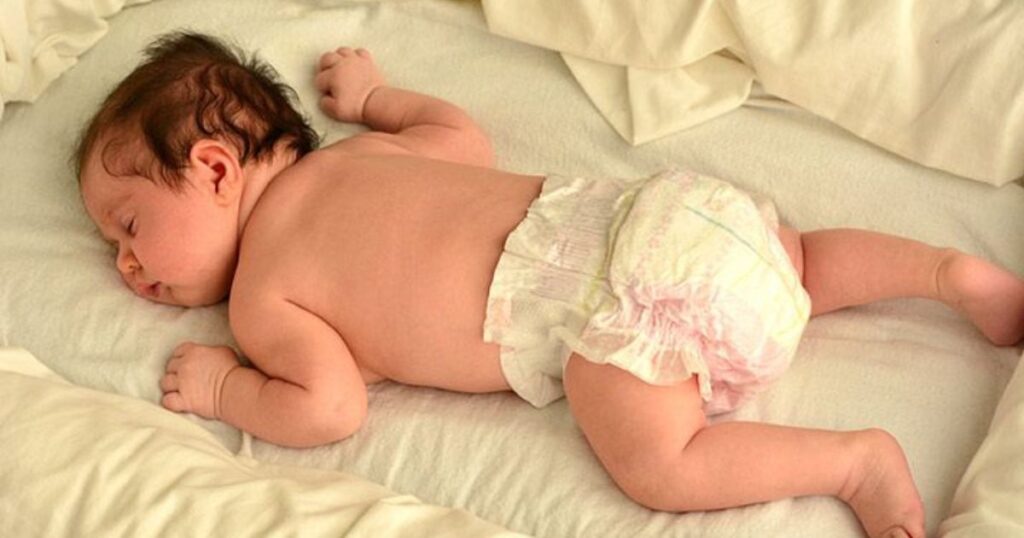
As a new parent, you often worry about your baby’s sleep and especially when can babies sleep on their stomach, since sleep safety is essential for healthy development. Making sure you understand baby sleep position guidelines is crucial to reduce risks and support safe rest during the early months.
Many parents also ask is it safe for babies to sleep on their stomach, especially when babies start to move during sleep. Understanding when can babies sleep on their stomach safely helps you make informed decisions based on the latest pediatric recommendations.
This article explains important safe sleep guidelines for babies and how they should be placed during sleep. Following proper baby sleep on stomach safety rules ensures a secure sleep environment and supports your baby’s growth. These guidelines help parents create a safe sleeping space while the baby is still developing the ability to sleep comfortably and safely in different positions.
Key Takeaways
- Always place infants on their backs for every nap and nighttime rest.
- A firm, flat surface is vital for reducing risks during the night.
- Keep the crib free of blankets, pillows, and soft toys to prevent hazards.
- Room sharing is recommended, but bed sharing is discouraged for safety.
- It’s best to speak with your pediatrician to get advice tailored to your child’s individual development.
Understanding the Risks of Stomach Sleeping
Understanding the risks of baby sleep on stomach is essential for parents who are trying to learn when can babies sleep on their stomach safely. Pediatric experts have studied infant sleep for decades to determine the safest baby sleep position guidelines for reducing sleep-related risks.
Many parents wonder is it safe for babies to sleep on their stomach, but research shows that stomach sleeping can increase risks during early development stages. Knowing when can babies sleep on their stomach safely helps parents make informed decisions based on medical recommendations.
By following these safe sleep guidelines, you can significantly lower risks during both naps and nighttime sleep while supporting a safer environment for your baby’s growth and development.
Why Back Sleeping Is Recommended for Infants
Understanding when can babies sleep on their stomach is important, but experts consistently recommend back sleeping as the safest baby sleep position guidelines for infants. Placing your baby on their back helps keep the airway open and supports optimal breathing during sleep.
Many parents ask is it safe for babies to sleep on their stomach, but research shows that back sleeping significantly reduces risks and helps prevent re-breathing of exhaled air, which can be dangerous for infants.
On the other hand, baby sleep on stomach positions may create pressure on the jaw and throat, which can restrict airflow and increase the risk of suffocation, especially if soft bedding is present. Understanding when can babies sleep on their stomach safely helps parents make informed decisions, but until babies develop strong motor control, back sleeping remains the safest option for their respiratory system and overall sleep safety.
The Link Between Stomach Sleeping and SIDS
Understanding when can babies sleep on their stomach is essential because research shows a clear association between baby sleep on stomach positions and Sudden Infant Death Syndrome (SIDS). Studies indicate that stomach sleeping may increase the risk of overheating and breathing difficulties in infants, especially during early development.
Many parents ask is it safe for babies to sleep on their stomach, but public health initiatives and pediatric experts consistently recommend back sleeping as part of safe baby sleep position guidelines. According to the American Academy of Pediatrics, placing babies on their backs is the most effective way to reduce the risk of SIDS and improve sleep safety.
Knowing when can babies sleep on their stomach safely helps parents make informed decisions, especially as babies grow and gain better motor control. Being aware of these safety concerns allows families to create a secure sleep environment and reduce potential risks during both naps and nighttime sleep.
The table below compares different infant sleep positions and their level of safety for better understanding.
| Sleep Position | Airway Status | Safety Level |
| Back (Supine) | Clear and Open | Recommended |
| Side (Lateral) | Unstable | Not Recommended |
| Stomach (Prone) | Obstructed | High Risk |
When Can Babies Sleep on Their Stomach Safely
Many parents wonder when can babies sleep on their stomach. Back sleeping is safest, but babies grow and move more as they get older. Knowing when they can sleep on their stomach safely makes parents feel better about their baby’s sleep.
Developmental Milestones and Rolling Over
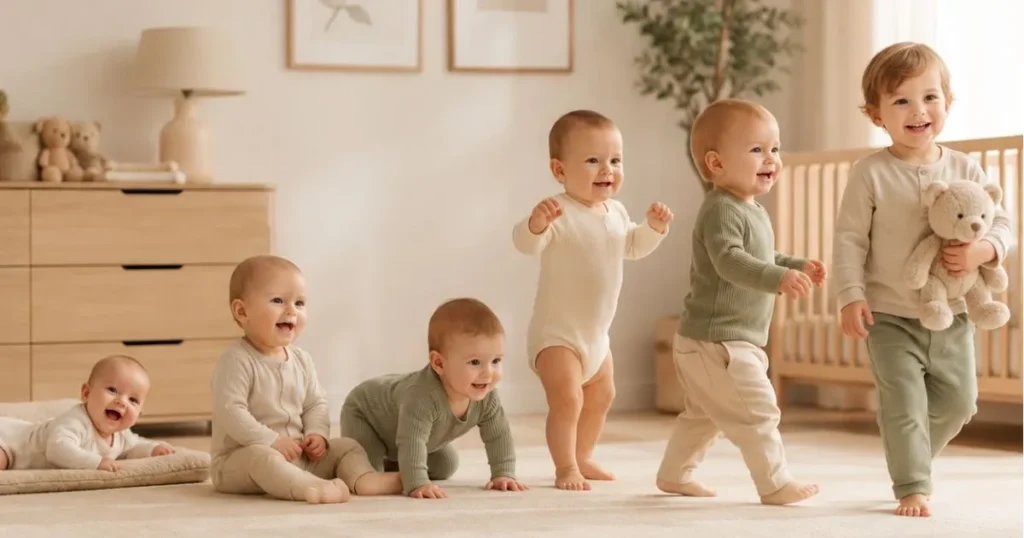
When trying to understand when can babies sleep on their stomach, it is important to look at developmental milestones such as rolling over. This skill typically begins to develop around 4 to 6 months of age and is a key sign that your baby is gaining strength, coordination, and independence.
Many parents ask is it safe for babies to sleep on their stomach, especially once rolling starts. At this stage, babies may naturally change positions during sleep, which is part of their development. This is closely related to baby sleep position guidelines, where safety depends on the baby’s ability to move and adjust themselves.
Once a baby can consistently roll over both ways, parents often wonder when can babies sleep on their stomach safely. While rolling is an important milestone, safe sleep practices still recommend careful monitoring and maintaining a safe sleep environment.
Understanding baby sleep on stomach safety during this stage helps parents make informed decisions without unnecessary worry.
The Role of Muscle Strength and Neck Control
Your baby needs strong neck and core muscles for safe sleep. These muscles help them breathe and move their head. This is crucial for keeping their airway open at night.
Watch for these skills during “tummy time” when your baby is awake. If they hold their head up and push with their arms, they’re getting stronger. This is good for safer sleep. Here’s a table showing how these skills relate to sleep safety.
| Developmental Stage | Physical Capability | Sleep Safety Status |
| 0-3 Months | Limited head control | Always place on back |
| 4-6 Months | Rolling over begins | Monitor for self-positioning |
| 6+ Months | Strong neck and core | Can choose own position |
Step-by-Step Guide to Establishing Safe Sleep Habits
Establishing safe sleep practices plays an important role in supporting your baby’s well-being and overall safety. A structured approach ensures a safe sleep environment. Consistency is crucial in this journey.
Step 1: Always Place Your Baby on Their Back
Whenever you put your baby down for a nap or bedtime, place them on their back. Pediatric specialists recommend this position because it is considered the safest for infant sleep. Make it a must for every nap and night sleep.
Step 2: Maintain a Consistent Sleep Routine
A regular sleep schedule helps your baby know when it’s time to rest. Use the same pre-nap routine, like a song or cuddle. Consistency helps your baby settle down and stay safe.
Step 3: Monitor Your Baby During Nap Times
Even when your baby seems asleep, keep an eye on them. Check if they’ve moved to an unsafe position. Staying attentive lets you act fast if they roll over or get uncomfortable.
Step 4: Adjusting Sleep Positions as They Grow
As your child grows, their sleep needs change. Watch their motor skills, like rolling over. When they can roll on their own, they can find a safe infant sleep position.
Creating a Safe Sleep Environment for Your Infant
Creating a safe sleep space is key to following safe sleep guidelines for babies. By focusing on the physical space, you can lower risks. A well-thought-out nursery keeps your baby safe at night.
Choosing the Right Mattress and Crib
Always choose furniture that meets safety standards.A crib should have slats spaced no more than 2 3/8 inches apart. Make sure the mattress fits snugly against the crib’s sides with no gaps.
Removing Hazards from the Sleeping Area
Keep the crib simple to ensure safety. Remove all loose items like stuffed animals and toys. These can block your baby’s airway.
Why Blankets and Pillows Are Dangerous
Soft bedding may seem cozy, but it’s a suffocation risk. Pillows, thick blankets, and quilts may accidentally cover a baby’s face during sleep, increasing the risk of breathing obstruction. Safe sleep guidelines for babies mean no soft materials in the sleeping area.
The Importance of a Firm Surface
A firm, flat mattress is best for your baby. It supports their growing body and lowers risks. Never use a soft mattress, sofa, or waterbed for your infant. These increase overheating and airway blockage risks.
Helping Your Baby Through the Rolling Over Stage
Seeing your baby roll over is exciting, but it raises sleep safety concerns. As babies grow and gain strength, they may start to move around more while sleeping at night. This is a sign of growth, but you need to change how you handle their sleep routine.
How to Respond When Your Baby Rolls onto Their Stomach
If your baby turns onto their stomach while sleeping, try to remain calm. For young ones just starting, it’s safest to gently turn them back onto their back. This keeps them safe while they build neck and core strength.
Being consistent is crucial. Even if your baby seems upset, keep them on their back for sleep. Avoid using wedges or positioners, as they can be dangerous in the crib.
The most important safety measure for a sleeping infant is to ensure they are placed on their back, as this significantly reduces the risk of sleep-related accidents.
— Pediatric Sleep Specialist
When You Can Stop Repositioning Your Baby
Many parents wonder when they can stop worrying about their baby sleeping on stomach. When your baby can roll over both ways easily, you don’t need to wake them to turn them. This shows they can move their head and body to breathe well.
This usually happens between four to six months, but every baby is different. Always keep the crib safe by removing blankets, pillows, and stuffed animals. The table below shows how to handle these changes safely.
| Developmental Stage | Action Required | Safety Focus |
| Cannot roll over | Always place on back | Strict back sleeping |
| Rolling one way | Reposition to back | Monitor closely |
| Rolling both ways | No repositioning needed | Clear crib environment |
Knowing these stages helps you feel more confident in your infant sleep position choices. Make sure the crib is clear, and trust that your baby’s growing strength is a good sign of their development.
Recognizing Signs Your Baby Is Ready for Independent Sleep
Every baby grows at their own pace. It’s key to look for signs of readiness. Before wondering when can babies sleep on their stomach safely, focus on their physical growth. Observing how your baby moves during playtime is one of the best ways to tell if they’re ready.
Assessing Motor Skills and Physical Development
One way to assess whether your baby is developing greater independence is by observing their neck control. Can they lift their head while on their tummy? These early signs are important when parents start wondering when can babies sleep on their stomach and whether their baby is progressing safely.
As babies grow, they begin developing the strength needed to reposition themselves when necessary. When a baby can turn over from their back to their stomach and then return to their back again, it shows an important stage of physical development and improved coordination. This milestone is often discussed in baby sleep position guidelines to help parents understand safe sleep readiness.
When your baby shows these skills, it means they are gaining better motor control and coordination. Many parents ask is it safe for babies to sleep on their stomach at this stage, but even with these signs, supervision and safe sleep practices remain essential. Knowing when can babies sleep on their stomach safely is not only about physical strength but also about overall safety and sleep environment.
Understanding baby sleep on stomach safety requires more than milestones alone, so parents must stay alert and follow expert recommendations.
Consulting with Your Pediatrician
Your pediatrician is a crucial ally in these developmental changes. Since every child is different, a doctor’s check is essential before changing their sleep routine. Always share your observations with your doctor during the next visit. This helps ensure that any plan or advice is tailored to your baby’s individual needs.
By teaming up with your healthcare provider, you can develop a safe and supportive sleep plan for your baby. They’ll give advice tailored to your child’s weight, age, and development. This way, you’ll feel sure and well-informed as your baby grows.
Essential Safety Tips for Every Parent
Your baby’s sleep area is more than just a place to rest. It’s a space that affects their health and safety. By focusing on baby sleep safety, you can create a safe haven for your little one.
Keeping the Room Temperature Comfortable
Keeping the room at a comfortable temperature is key for baby sleep safety. Experts say the ideal range is between 68 and 72 degrees Fahrenheit. This helps avoid overheating, which is dangerous for babies.
Regularly monitor the room temperature during the night to make sure it stays stable and comfortable. A simple wall thermometer can help you monitor this. If the room feels good for a lightly dressed adult, it’s probably right for your baby.
Avoiding Overheating and Heavy Clothing
Choosing appropriate clothing is just as important as maintaining a safe room temperature. Dress your baby in light, breathable materials to help prevent overheating. Avoid using heavy blankets or quilts, as they can trap heat and pose a suffocation risk.
Instead, opt for a wearable blanket or sleep sack, which keeps your baby warm while reducing the dangers associated with loose bedding.
It’s also important to regularly check your baby’s comfort by feeling their chest or the back of their neck to make sure they are not getting too hot.
| Factor | Recommended Practice | Benefit |
| Room Temperature | 68°F – 72°F | Prevents overheating |
| Bedding | Firm mattress only | Reduces suffocation risk |
| Clothing | Lightweight layers | Regulates body heat |
| Sleep Surface | Flat and clear | Supports baby sleep safety |
Conclusion
Starting your journey as a parent means always looking out for your baby’s health and understanding when can babies sleep on their stomach as they grow and develop. Creating a safe sleep environment helps your little one rest securely while building strength and independence.
Placing your baby on their back is widely recognized as the safest sleep position according to baby sleep position guidelines, as it reduces risks and supports healthy breathing during sleep. This remains the safest approach until parents clearly understand when can babies sleep on their stomach safely based on developmental milestones.
As your baby grows, signs like rolling over show improved strength and coordination. Many parents wonder is it safe for babies to sleep on their stomach at this stage, but supervision and safe sleep habits are still essential even when these milestones appear.
Keeping the crib tidy, following safe baby sleep on stomach recommendations, and maintaining a cool, comfortable room all contribute to a safer sleep environment. Listening to your pediatrician is important, as they can guide you based on your baby’s individual development and needs.
FAQ
When can babies sleep on their stomach safely?
Experts, like the American Academy of Pediatrics (AAP), say it’s okay for babies to sleep on their stomach when they can roll over. This usually happens between 4 to 6 months. Before they can roll over on their own, always put them on their back to sleep.
What is the primary stomach sleeping baby risk for newborns?
The main concern with babies sleeping on their stomach is the increased risk of Sudden Infant Death Syndrome (SIDS). When infants sleep face-down, they may end up rebreathing the air they exhale, which can lead to a buildup of carbon dioxide. For this reason, back sleeping is considered the safest position for babies. Babies are safest when placed on their backs to sleep, as this position helps keep their airway clear and unobstructed.
When is it safe for baby to sleep on stomach if they roll over by themselves?
If your baby can roll over by themselves, it’s okay to let them sleep on their stomach. This shows they have the strength to move if they need to. Still, start with them on their back at night or nap time for safety.
What are the current safe sleep guidelines for babies regarding their crib environment?
For safe sleep, use a firm, flat mattress and a tight-fitting sheet.Keep the crib clear of pillows, blankets, and stuffed toys to ensure a safe sleep environment. A simple crib setup is best to avoid accidents.
How Can You Prevent Your Baby From Getting Too Hot During Sleep?
To avoid overheating, keep the room cool, between 68–72°F. Choose a lightweight sleep sack instead of heavy blankets for safer and more comfortable sleep. This keeps your baby warm without the risk of suffocation.
Should I consult my pediatrician about my baby’s sleep position?
Yes, talk to your pediatrician about your baby’s sleep position. They can check your baby’s development and give advice on when it’s safe to sleep on their stomach. This ensures your baby’s sleep is safe and healthy.