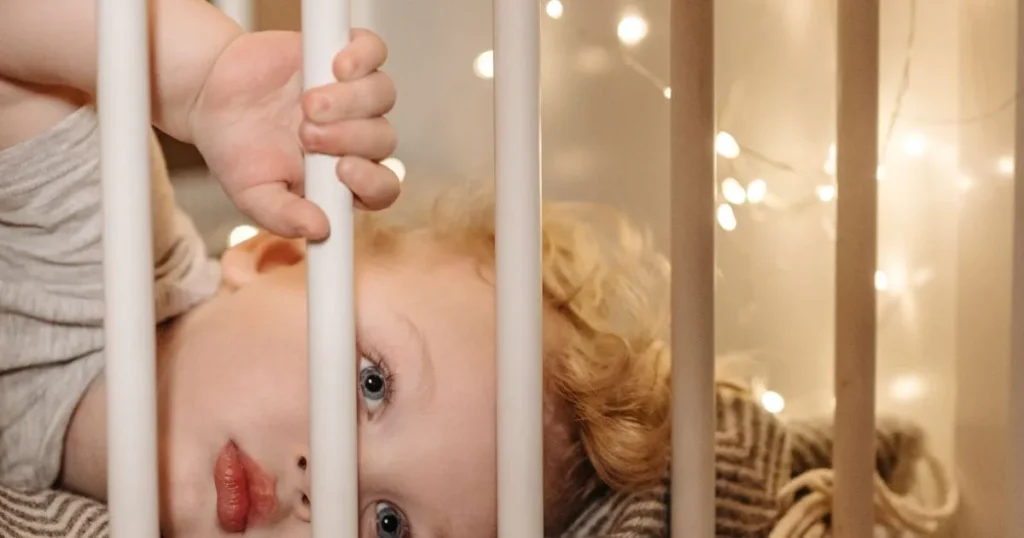
Every parent dreams of creating a cozy and comfortable nursery for their baby. However, many often ask: When Can Baby Sleep With a Blanket safely? While soft bedding may look adorable in photos, your baby’s safety should always come first during the early months.
Understanding your baby’s development plays an important role in making the right sleep environment decisions. Instead of focusing only on appearance, it is essential to prioritize safe sleep practices that protect your little one.
In this guide, we will explain When Can Baby Sleep With a Blanket, what experts recommend, and how to make the safest choice for your baby’s sleep space. By the end, you will clearly understand the right time and precautions for introducing a blanket safely.
Key Takeaways
- Safety should always take priority over nursery decor during the first year, especially when considering When Can Baby Sleep With a Blanket.
- Soft bedding poses significant risks to infants who cannot move it away, which is why understanding When Can Baby Sleep With a Blanket is essential for every parent.
- A baby’s growth and developmental progress help determine When Can Baby Sleep With a Blanket safely and when it is appropriate to introduce loose items into their sleep environment.
- Consulting with your pediatrician provides personalized guidance on When Can Baby Sleep With a Blanket based on your child’s specific needs.
- Transitioning to bedding should be a gradual process once your child reaches the recommended age for When Can Baby Sleep With a Blanket, ensuring safety at every step.
Understanding the Risks of Blankets in the Crib
When Can Baby Sleep With a Blanket is a common question every new parent asks, especially when learning about safe sleep practices. It’s important to understand the dangers of loose bedding in the crib. While it’s natural to want your baby to feel warm and comfortable, introducing a blanket too early can increase the risk of sleep-related accidents. These items can create hidden hazards that caregivers may not notice right away.
The Dangers of Suffocation and Overheating
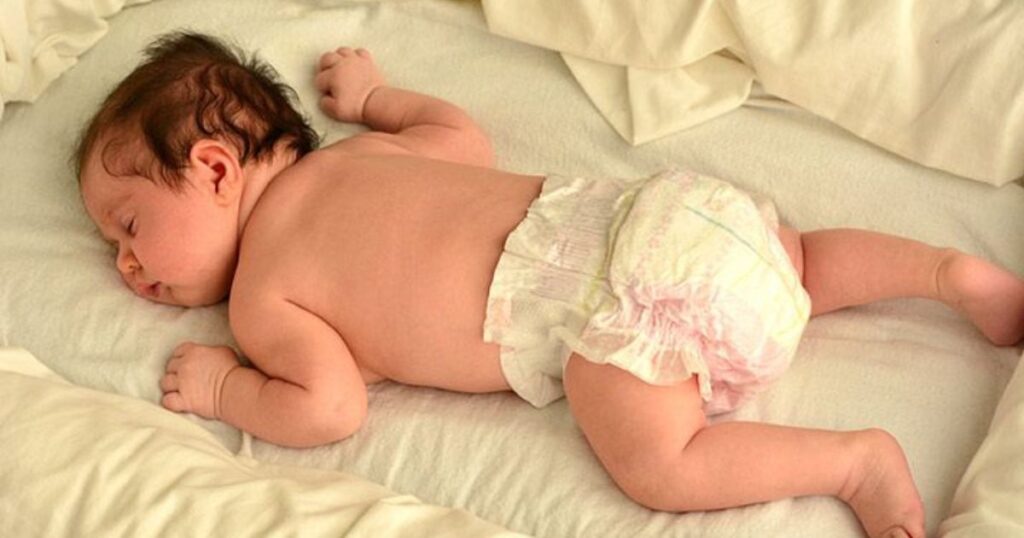
When Can Baby Sleep With a Blanket is an important question to consider when understanding sleep safety risks. Loose bedding is a serious risk for suffocation, especially because babies cannot move a blanket away if it covers their face. This can happen very quickly and may become extremely dangerous.
Another concern tied to When Can Baby Sleep With a Blanket is overheating. Soft bedding can cause babies to become too warm, as they are not yet able to regulate their body temperature effectively. Adding heavy blankets can make it even harder for them to stay at a safe and comfortable temperature during sleep.
Why AAP Safe Sleep Guidelines Prohibit Loose Bedding
The AAP safe sleep guidelines aim to lower these risks. Experts recommend that babies sleep on a clear, empty sleep surface.
A firm, flat mattress is best. Removing pillows and stuffed animals helps avoid airway blockages.
Many parents wonder, “Should newborns sleep with blankets?” The answer is no. These rules help keep your baby safe and support their growth without accidents.
| Feature | Unsafe Environment | Safe Environment |
| Bedding | Loose blankets/quilts | Sleep sack or swaddle |
| Surface | Soft mattress/pillows | Firm, flat mattress |
| Temperature | Overheated/Heavy layers | Regulated/Light clothing |
| Risk Level | High for SIDS | Low for SIDS |
When Can Baby Sleep With a Blanket According to Experts
When Can Baby Sleep With a Blanket is a question many parents ask when trying to balance comfort and safety. Figuring out the right time to introduce a blanket to your baby is important, as it requires balancing warmth with safe sleep practices. Pediatricians emphasize the importance of creating a safe sleep environment for infants, especially when deciding When Can Baby Sleep With a Blanket becomes appropriate.
The Recommended Age for Introducing Bedding
When Can Baby Sleep With a Blanket is usually answered by health experts who recommend waiting until a baby is at least 12 months old before introducing loose bedding. Before this age, infants do not have the ability to move a blanket if it blocks their breathing, which makes early use unsafe. Patience during the first year is essential to ensure your baby’s safety.
When Can Baby Sleep With a Blanket becomes more appropriate around 12 months, as most babies can roll over and move items during sleep. Even then, it is important to introduce a blanket gradually and observe your baby closely during the transition period.
Distinguishing Between Infants and Toddlers
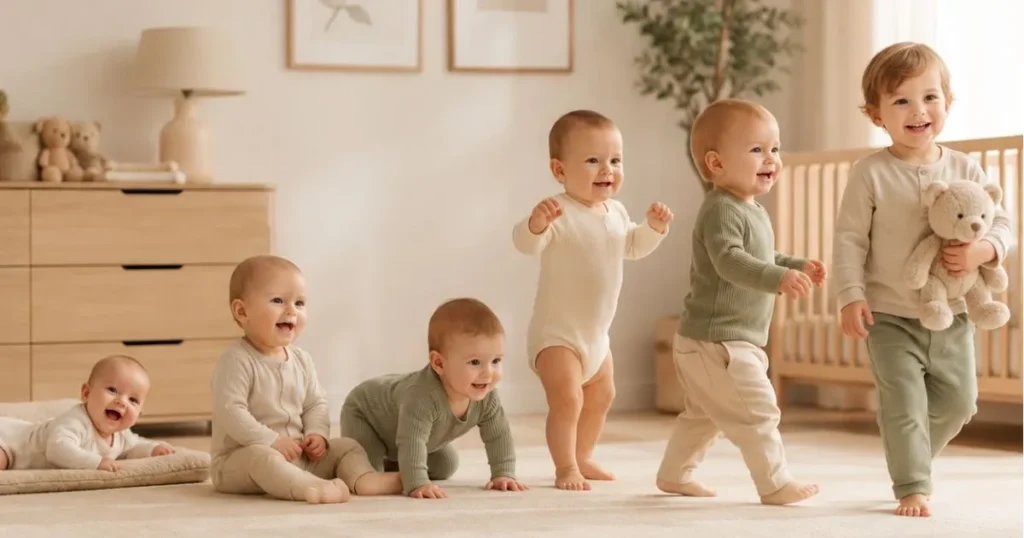
Infants and toddlers have different needs for sleep accessories. Infants need constant care, while toddlers start to be more independent. Knowing when can toddlers sleep with blankets helps you make the right choice for your child.
The table below shows the main differences in readiness for bedding:
| Feature | Infant (0-12 Months) | Toddler (12+ Months) |
| Motor Skills | Limited; cannot easily move objects | Advanced; can roll and push items |
| Sleep Needs | Strictly bare crib for safety | May transition to blankets/pillows |
| Risk Level | High risk of suffocation | Lower risk with supervision |
| Recommendation | Avoid all loose bedding | Introduce items gradually |
When to introduce blankets depends on your child’s maturity. Some are ready soon after 12 months, while others need more time. Always focus on a safe sleep environment when deciding about blankets for your toddler.
Step-by-Step Guide to Transitioning Your Child to a Blanket
When Can Baby Sleep With a Blanket is an important milestone that requires careful planning and patience. Introducing a blanket to your child should be done gradually to ensure safety and comfort. Understanding When Can Baby Sleep With a Blanket becomes appropriate depends on your toddler’s readiness and developmental stage, making a smooth transition essential for healthy sleep habits.
Step 1: Assessing Your Child’s Readiness for Bedding
When Can Baby Sleep With a Blanket is a key question parents ask before introducing loose bedding into their child’s sleep space. Before adding items like blankets in crib, it’s important to carefully observe your child’s skills and sleep patterns. Experts generally recommend waiting until 12 to 18 months of age, although many parents prefer to wait until their child is fully in the toddler stage.
The safe age for baby to sleep with blanket depends on developmental readiness rather than age alone. Look for signs of physical independence—such as the ability to move freely and adjust their sleeping position easily. This indicates your child may handle a blanket more safely without becoming tangled.
Step 2: Choosing the Right Type of Safe Sleep Blanket for Baby
When Can Baby Sleep With a Blanket is an important consideration when transitioning your child to a safer sleep setup. Once the right time comes, choosing the correct blankets in crib becomes essential for comfort and safety. Always select a breathable, lightweight blanket made from natural fabrics to help keep your child cool and comfortable during the night.
Avoid heavy blankets or thick quilts, as they may increase safety risks. Instead, choose a safe sleep blanket for baby that provides warmth while still allowing free movement. Understanding when can a baby sleep with a blanket safely also helps parents make better decisions when selecting sleep accessories for their child.
Step 3: Closely Monitor Your Child During the First Few Nights
When Can Baby Sleep With a Blanket is not only about age, but also about careful observation during the transition period. The first few nights require extra watchfulness, especially when introducing blankets in crib for the first time. Parents should check on their child regularly to ensure the blanket is being used safely and comfortably.
It is also important to understand when can a baby sleep with a blanket by observing how your toddler interacts with it. If they pull it over their face or seem uncomfortable or upset, it may be best to wait a little longer before continuing the transition.
Step 4: Establishing a Consistent Bedtime Routine
When Can Baby Sleep With a Blanket is closely linked to creating a safe and consistent sleep environment for your child. Introducing when can a baby sleep with a blanket during nap times first can help you safely observe how they respond while being supervised. This gradual approach makes the transition smoother and more secure.
Consistency plays a key role in helping your child adjust. A predictable bedtime routine not only supports healthy sleep habits but also helps your baby feel safe and comfortable as they begin using blankets in crib in a more structured way.
Safe Alternatives to Traditional Blankets
Wearable options are the best choice to avoid loose bedding risks. Many parents feel reassured when they choose these options. Knowing the difference between a sleep sack vs blanket is key to a safer nursery.
Benefits of Using a Sleep Sack vs Blanket
A traditional blanket can cover a baby’s face, posing a safety risk. Sleep sacks, on the other hand, are wearable blankets that stay put. They keep your baby warm without the risk of fabric movement.
- Consistent warmth: Sleep sacks keep your baby at a steady temperature.
- Reduced risk: They remove the danger of loose fabric in the crib.
- Ease of use: Most designs come with convenient zippers that make diaper changes quick and stress-free for parents.
Wearable blankets are often recommended as a safer alternative to loose bedding, as they help keep babies warm while ensuring their face remains uncovered and free to breathe comfortably.
Swaddling Techniques for Newborns
Swaddling is a classic method for newborns to feel secure and calm. A proper swaddle mimics the womb, helping infants sleep longer. Make sure the swaddle is snug around the chest but still loose enough at the hips for movement.
Always lay your baby on their back after swaddling them. If your baby starts to roll over, stop swaddling immediately. This ensures your baby stays safe as they gain mobility.
Wearable Blankets for Older Infants
As your child grows, they need more freedom of movement than a swaddle provides. Wearable blankets, or sleep bags, are ideal for this stage. They let your baby move their arms and legs while keeping them warm.
When comparing a sleep sack vs blanket for an older infant, the wearable option is safer. These garments come in various weights, so you can pick the right one for the room temperature. Choosing these alternatives creates a safe sleep environment for your growing child.
Creating a Secure Sleep Environment Beyond Bedding
Creating a safe sleep space is more than just removing loose blankets. You need to check every item in your child’s sleep area. A holistic approach keeps your child safe all night.
Guidelines for Pillows and Stuffed Animals
Many parents ask, when can babies use pillows? Experts say no pillows, plush toys, or stuffed animals in the crib until 12 to 18 months. These items can be dangerous for babies who can’t move them away.
“The safest crib is an empty crib. By keeping the sleep space clear of soft objects, you drastically reduce the risk of accidental suffocation.”
When your child is a toddler, you might add a small, firm pillow. But, keep the sleep area simple to avoid dangers at night.
Maintaining Optimal Crib Safety Standards
Following crib safety rules is key for parents. Check your crib often to make sure everything is tight and complete. A loose screw or missing part can be very dangerous.
The mattress should fit well in the crib. If you can fit more than two fingers between it and the crib, it’s too wide. Always use a firm, flat mattress made for your crib.
Managing Temperature Control in the Nursery
Maintaining a comfortable room temperature is also essential for safe infant sleep. Too hot can make it hard for your baby to stay cool. Keep the nursery between 68 and 72 degrees for the best comfort.
- Use a light, breathable sleep sack instead of heavy layers.
- Check your baby’s chest or the back of their neck to ensure they are not too warm or sweating.
- Avoid placing the crib near heaters, vents, or direct sunlight.
- Consider using a fan to keep air circulating gently in the room.
By watching these environmental factors, you create a safe space for your child. Paying attention to these details helps your child sleep well and keeps you at ease.
Conclusion
Creating a safe sleep space is key to protecting your growing child. You now know how to tell when it’s time for them to use regular bedding.
Following American Academy of Pediatrics guidelines helps keep your child safe while they grow. Waiting until they’re old enough lets them learn to handle loose items in their crib.
Brands like Halo and Burt’s Bees Baby have great wearable blankets. They keep your child warm while still supporting safe sleep.
Your dedication to these safety steps helps your whole family sleep better. Keep watching your child grow and make smart choices for their safety every night.
FAQ
When can baby sleep with a blanket according to expert recommendations?
Experts, like the American Academy of Pediatrics (AAP), say wait until your child is 12 months old. At this age, most toddlers can pull a blanket away if it’s over their face. Before one year, loose bedding increases the risk of SIDS and suffocation.
Should newborns sleep with blankets to stay warm?
No, never put loose blankets in a crib with a newborn. They are too risky for infants under one year. Use a swaddle or a wearable garment like a HALO SleepSack for warmth without danger.
When can babies use pillows in their sleep environment?
Wait until your child moves to a toddler bed, usually between 18 and 24 months. Pillows can be a suffocation risk for younger babies. Choose a small, firm toddler pillow for safety and spinal alignment.
What are the primary AAP safe sleep guidelines regarding bedding?
The AAP says to keep the sleep area simple. It should be firm, flat, and covered only by a tight sheet. No blankets, pillows, or stuffed animals are allowed to reduce accident risks.
In the debate of sleep sack vs blanket, which is better for an older infant?
A sleep sack is better for older infants who can roll. It keeps them warm and face uncovered. It’s safer than loose blankets that can be kicked off.
When can toddlers sleep with blankets safely?
At 12 months, toddlers can start with thin, breathable blankets. Many parents wait until 18 months for extra safety. This reduces SIDS risk.
How can I ensure baby blanket safety when I first introduce one?
Choose a breathable, lightweight blanket like muslin or cotton. Brands like Aden + Anais offer safe options. Make sure it’s small and won’t get tangled around your child.
What are the most important crib safety standards for a newborn’s nursery?
Keep the crib mattress snug and avoid crib bumpers. Keep the nursery at 68 to 72 degrees Fahrenheit. This prevents overheating and ensures safety.