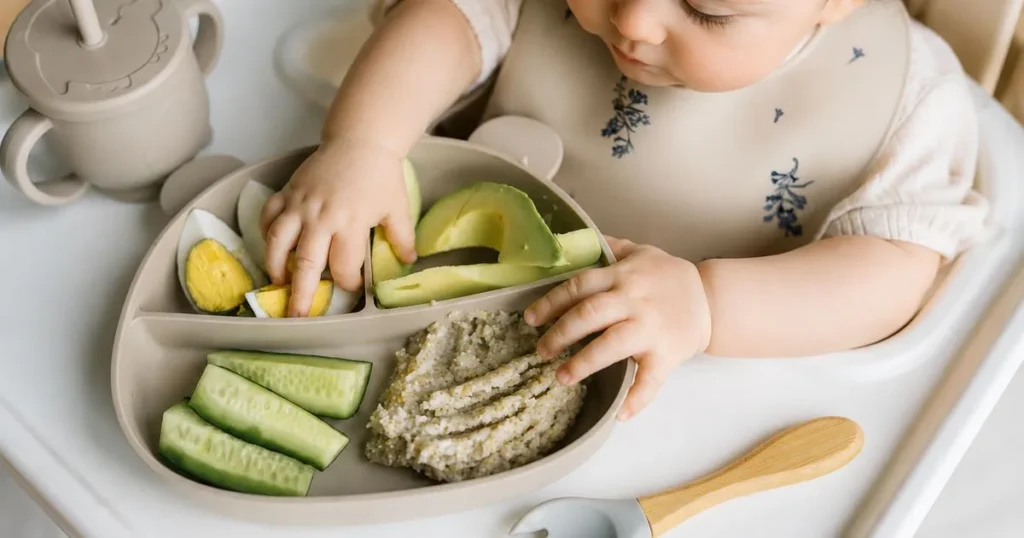
Starting Baby Finger Foods can feel like one of those exciting parenting milestones you’ve been waiting for—and one you may feel a little nervous about, too.
Your baby suddenly wants to grab everything on your plate. You might find yourself wondering, “Is this food soft enough for my baby?” “How should I cut it?” “Can my baby eat this without teeth?”
The good news is that you don’t need complicated recipes or a perfectly planned menu to introduce Baby Finger Foods. With appropriately prepared foods, you can give your baby plenty of opportunities to explore new flavors, textures, and self-feeding.
In this guide, you’ll find 30 easy Baby Finger Foods, practical preparation tips, simple meal combinations, foods to avoid, and answers to common questions about feeding your baby safely.
Always keep an eye on your baby during meals and choose food textures and sizes that match their developmental stage. The information here is general guidance and is not a substitute for advice from your child’s pediatrician.
When Can Babies Start Eating Finger Foods?
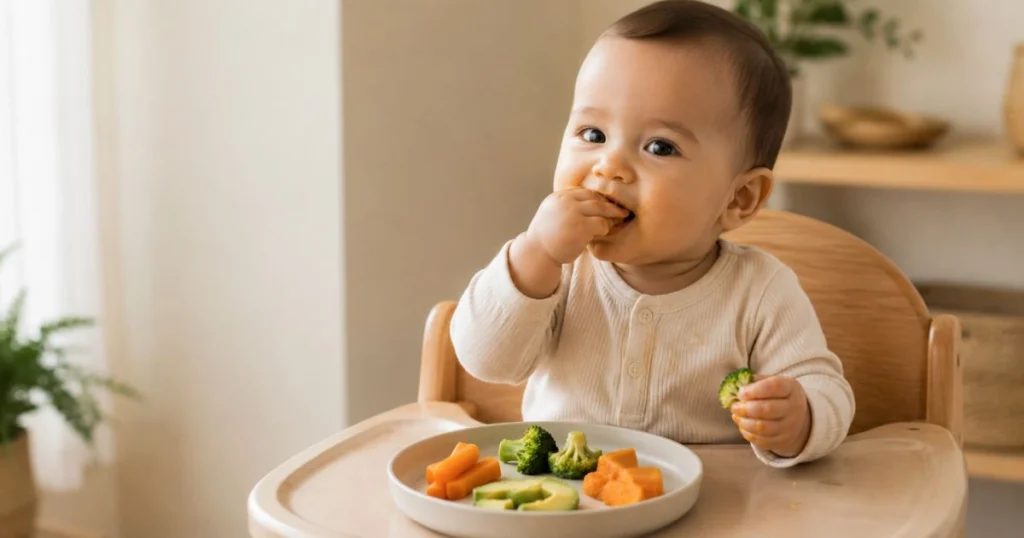
Babies generally begin eating foods other than breast milk or infant formula at around 6 months, when they show signs of developmental readiness. Every baby develops at their own pace, so the timing can be different.
Before offering Baby Finger Foods, look for signs that your baby is ready for complementary foods.
Most babies can begin exploring solid foods around 6 months, when they show the developmental signs of readiness.
Signs Your Baby Is Ready for Finger Foods
Your baby may be ready to start exploring Baby Finger Foods when they can do the following:
- Sit upright alone or with support.
- Hold their head and neck steady.
- Bring objects to their mouth.
- Reach for and try to grasp food.
- Open their mouth when food is offered.
- Swallow food instead of repeatedly pushing it out of their mouth.
- Move food from the front of the mouth toward the back.
These developmental skills are more important than simply reaching a specific age.
Does Your Baby Need Teeth to Eat Finger Foods?
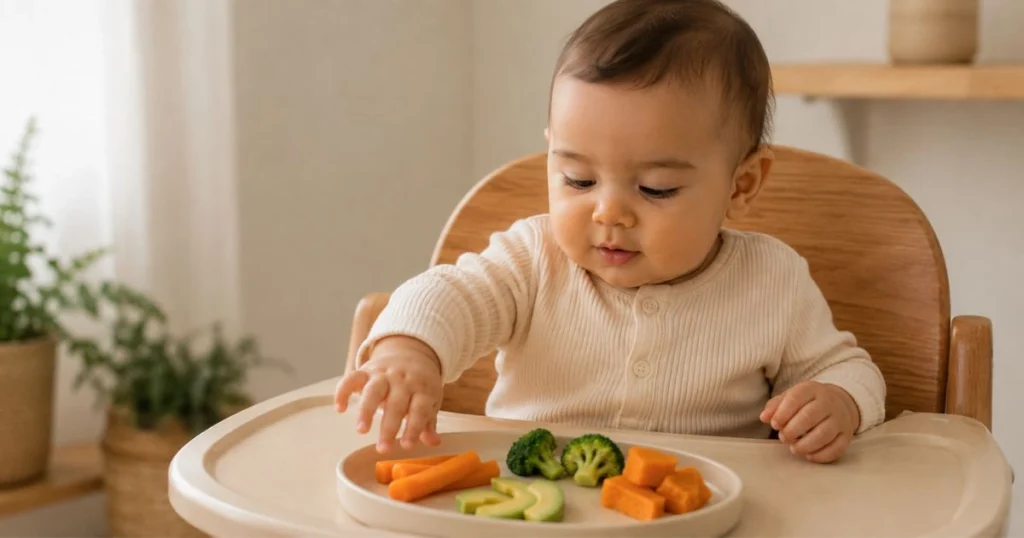
No. Your baby doesn’t need a full set of teeth before starting appropriately prepared Baby Finger Foods.
Soft foods should be easy enough for your baby to mash with their gums. What matters most is texture, preparation, supervision, and your baby’s developmental ability.
As your baby develops, you can gradually introduce thicker, lumpier, finely chopped, and other age-appropriate textures. Offering different textures also gives your baby opportunities to practice chewing and develop fine-motor skills.
How to Prepare Baby Finger Foods Safely
Choosing a nutritious food is only half the job. How you prepare it matters, too.
The CDC recommends preparing food in a shape, size, and texture appropriate for your child’s development. Hard foods may need to be cooked until soft, while round foods and other potential choking hazards need to be modified.
Make Food Soft Enough for Your Baby
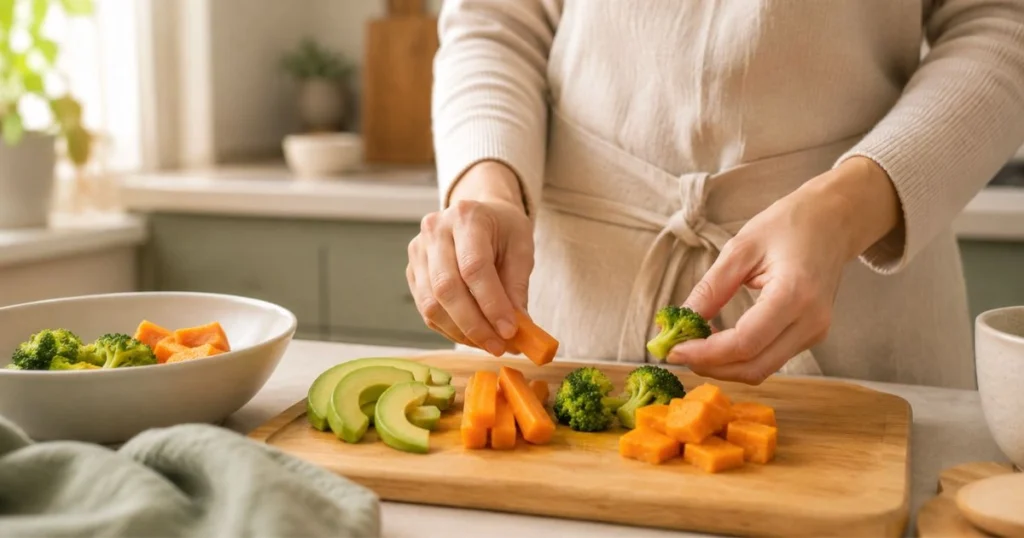
When preparing Baby Finger Foods, cooking is often the easiest way to soften fruits and vegetables.
Try:
- Steaming
- Roasting
- Baking
- Boiling
- Slow cooking
Hard vegetables such as carrots and firm fruits such as apples should generally be cooked until they are soft enough to mash easily.
How Should You Cut Baby Finger Foods?
There isn’t one cutting method that works for every type of Baby Finger Foods or every baby.
Consider:
- Your baby’s developmental stage
- The food’s firmness
- The food’s shape
- Whether it is sticky or slippery
- Your baby’s ability to grasp and manage food
As your baby’s skills develop, soft foods can be served in small pieces or thin slices. Some foods may be easier for younger babies to grasp when cut into soft strips or finger-shaped pieces.
A Simple Softness Check
Before serving Baby Finger Foods, check whether each cooked food is soft enough to mash easily.
If a food is still hard, crunchy, or difficult to break apart, cook it longer or try a different preparation method.
30 Best Baby Finger Foods
You don’t need to offer all 30 Baby Finger Foods at once. Start with a few foods your baby handles well, then gradually introduce more variety.
Soft Fruits: Baby Finger Foods 1–7
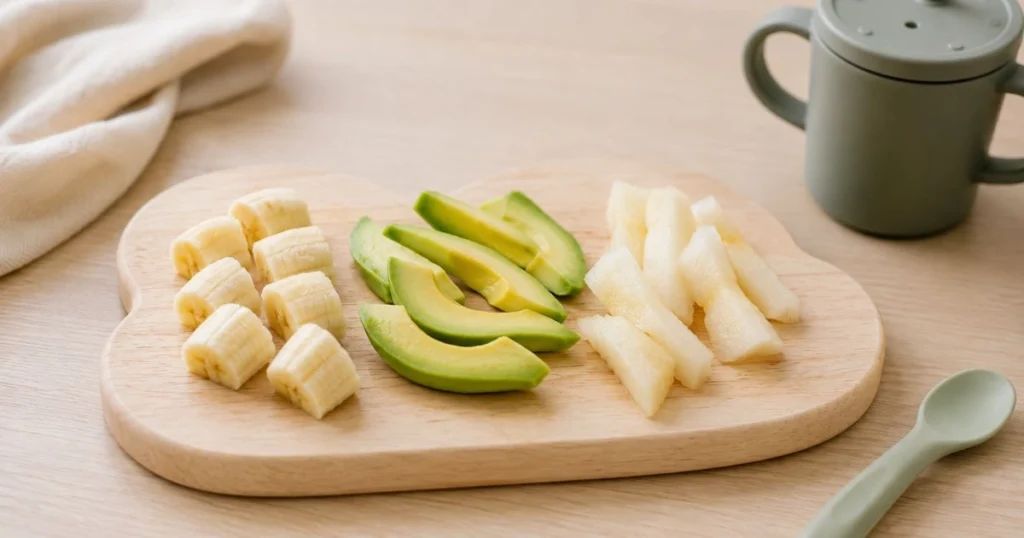
1. Banana
Banana is naturally soft and requires very little preparation.
How to serve: Peel a ripe banana and offer it in an appropriately sized soft piece or mash it for younger babies who are still developing their feeding skills.
2. Avocado
Avocado has a soft texture and provides healthy fats.
How to serve: Use ripe avocado. You can offer soft slices or mash it and spread a thin layer onto soft toast.
3. Ripe Pear
A ripe pear can be soft enough to serve without cooking.
How to serve: Remove the skin, seeds, and hard core if necessary. If the pear is firm, cook it until soft.
4. Soft-Cooked Apple
Raw apple can be hard and difficult for babies to manage.
How to serve: Steam or bake apple until it becomes soft enough to mash easily.
5. Ripe Melon
Melon can be refreshing and naturally soft when ripe.
How to serve: Remove seeds and prepare it appropriately rather than offering round melon balls.
6. Soft Peach
A ripe peach offers a naturally tender texture.
How to serve: Remove the pit and any tough skin if needed, then offer soft pieces appropriate for your baby’s skills.
7. Soft Apricot
Apricots can be another simple fruit to add to your baby’s menu.
How to serve: Remove the pit and use ripe fruit or cook it until soft.
Soft Vegetables: Baby Finger Foods 8–14
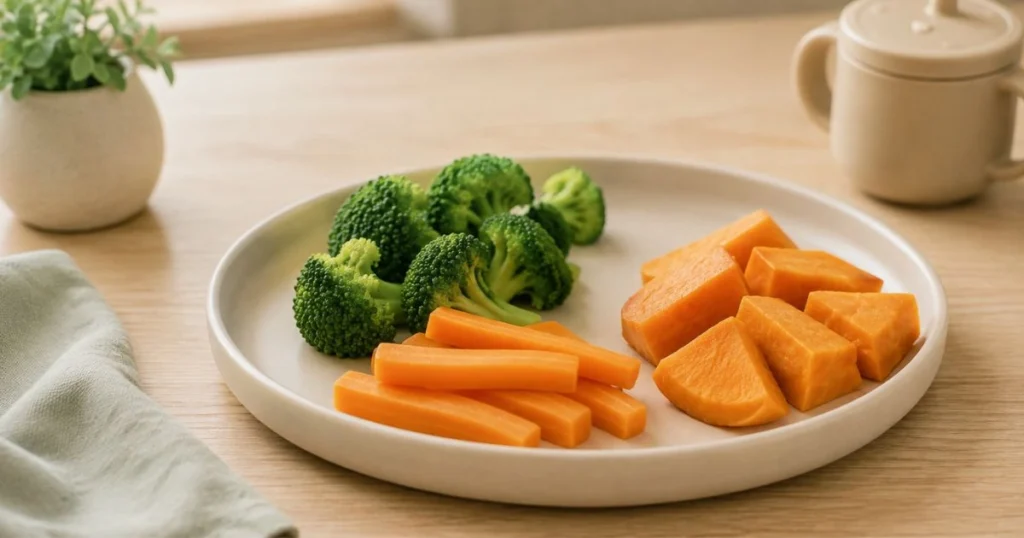
8. Steamed Carrots
Carrots are nutritious but should not be served hard and raw to a baby.
How to serve: Steam until very soft, then prepare according to your baby’s developmental stage.
9. Sweet Potato
Sweet potato is naturally soft after cooking and works well in baby meals.
How to serve: Roast or steam until tender. Offer soft pieces or mash it.
10. Broccoli
Broccoli provides another texture and flavor for your baby to explore.
How to serve: Steam until soft. Larger soft pieces can give your baby something to grasp while practicing self-feeding.
11. Green Beans
Green beans can become tender with cooking.
How to serve: Cook until soft and remove any tough ends.
12. Zucchini
Zucchini softens quickly and is easy to include in family meals.
How to serve: Steam, roast, or sauté without excessive salt until soft.
13. Potato
Potatoes are versatile and filling.
How to serve: Cook until very soft. Offer soft pieces, mash, or combine with another food.
14. Peas
Peas can be nutritious but their small, round shape requires attention to preparation.
How to serve: Cook until soft and mash or prepare appropriately for your baby’s developmental stage rather than serving them carelessly whole.
Protein-Rich Baby Finger Foods: 15–20
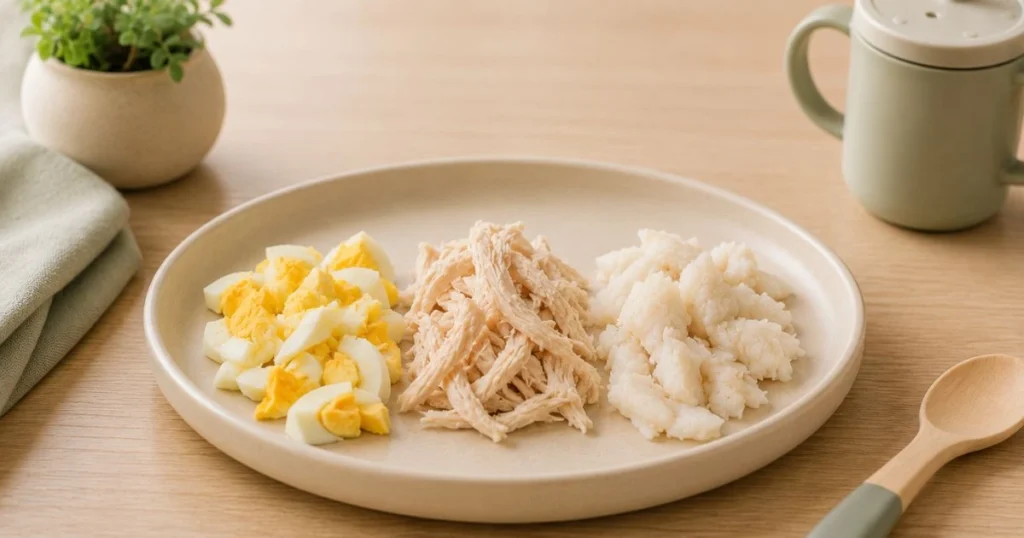
Including protein-rich foods gives your baby more variety and helps you build balanced meals.
15. Scrambled Egg
Egg can be served as a soft, easy-to-grasp food.
How to serve: Cook the egg thoroughly and keep the texture soft.
16. Omelet Strips
A simple omelet can be cut into soft strips.
How to serve: Cook thoroughly, avoid adding excessive salt, and cut into developmentally appropriate pieces.
17. Tender Shredded Chicken
Chicken can provide protein and iron.
How to serve: Cook thoroughly, remove skin, bones, and tough parts, then shred finely or prepare into a texture your baby can manage.
18. Flaked Fish
Fish can introduce another protein and flavor to your baby’s diet.
How to serve: Cook thoroughly, remove every bone, and flake into very small, soft pieces. Choose fish appropriate for young children and avoid high-mercury choices.
19. Soft Ground Meat
Ground meat can be easier to manage than large pieces of meat when cooked until tender.
How to serve: Cook thoroughly and crumble finely. Avoid tough or dry pieces.
20. Soft Beans or Lentils
Beans and lentils are useful plant-based foods.
How to serve: Cook until very soft. Mash or prepare them in a texture your baby can manage rather than offering whole firm beans.
Grains & Dairy: Baby Finger Foods 21–25
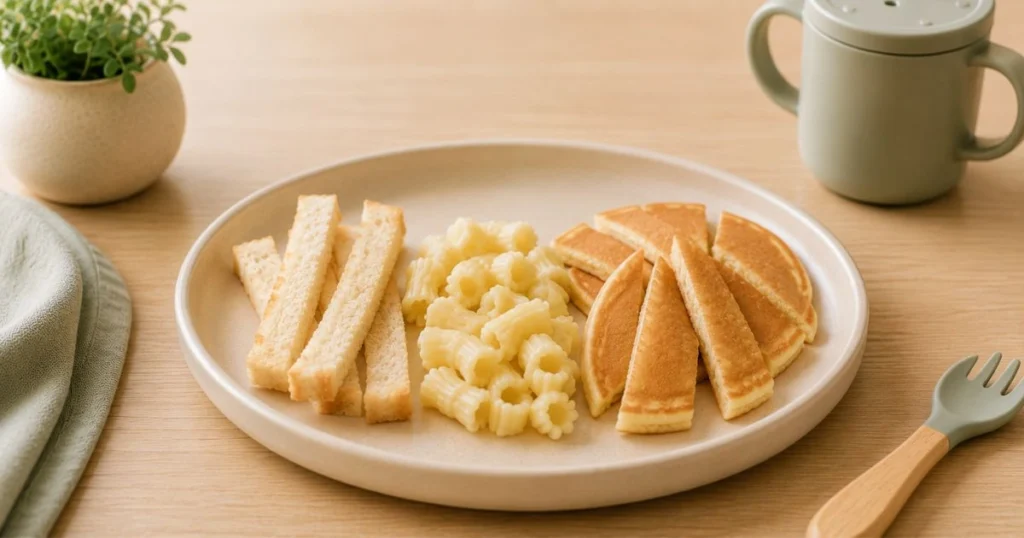
21. Soft Toast Strips
Toast can give your baby another texture to explore.
How to serve: Use soft bread and prepare it appropriately. Avoid breads containing large seeds, nuts, or whole hard grains.
22. Soft Pancake Strips
Homemade pancakes can be cut into manageable pieces.
How to serve: Keep them soft and avoid recipes containing added sugar or honey.
23. Well-Cooked Pasta
Pasta becomes soft and easy to handle when cooked thoroughly.
How to serve: Choose shapes that are easy for your baby to grasp and cook until soft.
24. Plain Full-Fat Yogurt
Plain yogurt can be offered with a spoon or incorporated into a meal once your baby is ready for complementary foods.
How to serve: Choose plain yogurt without added sugar. Whole-fat yogurt is an appropriate dairy food for babies.
25. Soft Cheese
Soft cheese can add variety to your baby’s meals.
How to serve: Offer appropriately sized, soft pieces once your baby is developmentally ready for finger foods. Avoid large pieces that may be difficult for your baby to handle.
More Easy Baby Finger Foods: 26–30
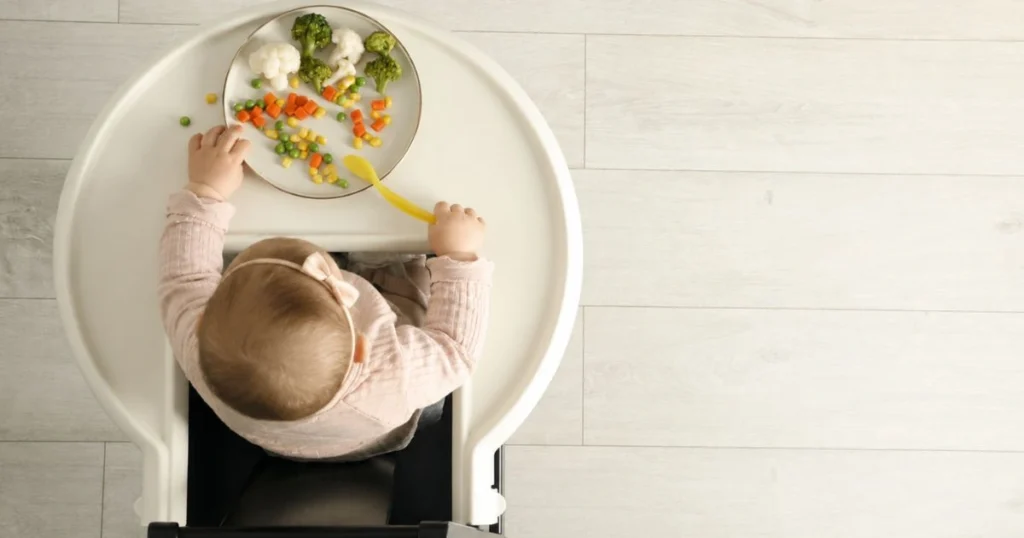
26. Soft Rice
Rice can be included as part of a balanced baby meal.
How to serve: Cook thoroughly and prepare it in a texture your baby can handle.
27. Oatmeal Fingers
Baked oatmeal can be made into soft pieces that are easier to hold.
How to serve: Keep the texture moist and soft, and avoid added sugar or honey.
28. Thinly Spread Nut Butter on Toast
Nut butter can be introduced in an age-appropriate form, but never offer a thick spoonful.
How to serve: Spread a very thin layer over soft toast or thin it into a smoother consistency. Whole nuts and spoonfuls of nut butter can be choking hazards.
29. Soft-Cooked Beetroot
Beetroot becomes much easier to manage after cooking.
How to serve: Cook until tender and offer appropriately prepared soft pieces.
30. Soft Vegetable Patties
A homemade vegetable patty can combine several familiar foods.
How to serve: Make the patty soft, cook it thoroughly, and avoid hard crusts or excessive salt.
Soft fruits such as ripe banana, avocado, pear, and melon can be good choices when prepared in an appropriate texture and size for your baby.
30 Baby Finger Foods at a Glance
| # | Food | Simple Preparation | Good For |
| 1 | Banana | Ripe, soft | Breakfast/snack |
| 2 | Avocado | Ripe, sliced or mashed | Breakfast/lunch |
| 3 | Pear | Ripe or cooked | Snack |
| 4 | Apple | Steamed/baked | Snack |
| 5 | Melon | Ripe, appropriately prepared | Snack |
| 6 | Peach | Ripe/soft | Snack |
| 7 | Apricot | Ripe or cooked | Snack |
| 8 | Carrot | Steamed | Lunch/dinner |
| 9 | Sweet potato | Roasted/steamed | Lunch/dinner |
| 10 | Broccoli | Steamed | Lunch/dinner |
| 11 | Green beans | Cooked until soft | Lunch |
| 12 | Zucchini | Steamed/roasted | Lunch/dinner |
| 13 | Potato | Cooked until soft | Lunch/dinner |
| 14 | Peas | Cooked and appropriately prepared | Lunch |
| 15 | Scrambled egg | Fully cooked | Breakfast |
| 16 | Omelet | Fully cooked, soft strips | Breakfast |
| 17 | Chicken | Tender and shredded | Lunch/dinner |
| 18 | Fish | Fully cooked and flaked | Dinner |
| 19 | Ground meat | Fully cooked and finely crumbled | Dinner |
| 20 | Beans/lentils | Cooked until very soft | Lunch/dinner |
| 21 | Toast | Soft strips | Breakfast |
| 22 | Pancake | Soft strips | Breakfast |
| 23 | Pasta | Well cooked | Lunch/dinner |
| 24 | Plain yogurt | No added sugar | Breakfast/snack |
| 25 | Soft cheese | Appropriately prepared | Snack/lunch |
| 26 | Rice | Well cooked | Lunch/dinner |
| 27 | Oatmeal fingers | Baked and soft | Breakfast |
| 28 | Nut butter toast | Thinly spread | Breakfast/snack |
| 29 | Beetroot | Cooked until soft | Lunch |
| 30 | Vegetable patties | Soft and fully cooked | Lunch/dinner |
Easy Baby Finger Food Recipes & Meal Combinations
Once your baby is comfortable with several individual foods, you can start combining different Baby Finger Foods into simple meals.
Baby Finger Food Breakfast Ideas
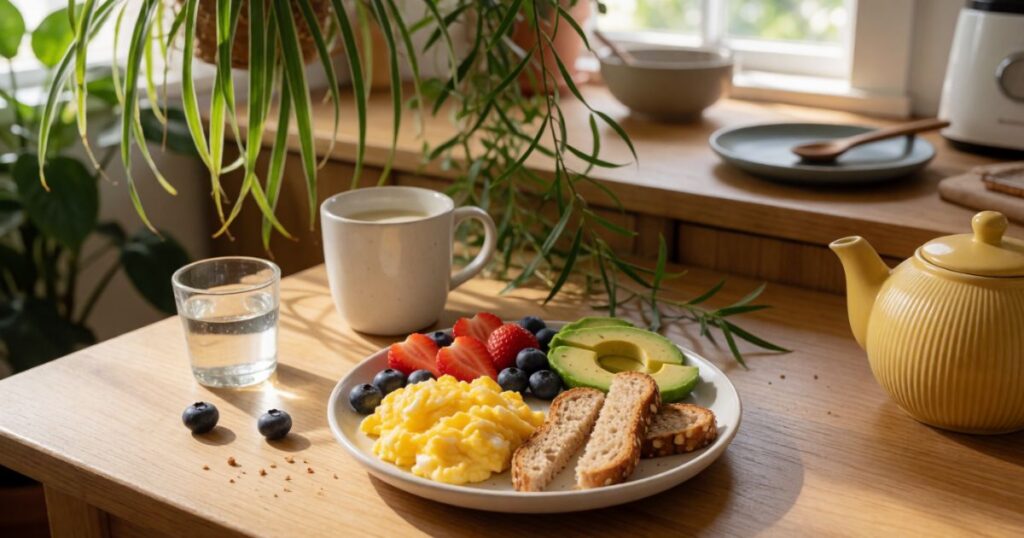
Banana, Scrambled Egg & Toast
| Ingredient | Preparation |
| Banana | Ripe and soft |
| Egg | Fully cooked, scrambled |
| Toast | Soft strips |
This gives you fruit, protein, and a grain in one simple breakfast.
Avocado Toast & Pear
| Ingredient | Preparation |
| Avocado | Mashed or thinly spread |
| Toast | Soft strips |
| Pear | Ripe or cooked until soft |
Baby Finger Food Lunch Ideas
Sweet Potato, Broccoli & Chicken
| Ingredient | Preparation |
| Sweet potato | Cook until soft |
| Broccoli | Steam until tender |
| Chicken | Fully cooked and finely shredded |
Pasta, Peas & Fish
| Ingredient | Preparation |
| Pasta | Cook until soft |
| Peas | Cook until soft and appropriately prepared |
| Fish | Fully cooked, flaked and bone-free |
Baby Finger Food Dinner Ideas
Potato, Egg & Avocado
| Ingredient | Preparation |
| Potato | Cook until very soft |
| Egg | Fully cooked |
| Avocado | Ripe and soft |
Lentils, Zucchini & Sweet Potato
| Ingredient | Preparation |
| Lentils | Cook until very soft |
| Zucchini | Cook until tender |
| Sweet potato | Steam or roast until soft |
As your baby becomes more comfortable with different textures, you can offer foods from several food groups, including vegetables, fruits, proteins, dairy, and whole grains.
How to Build a Balanced Baby Finger Food Plate
Your baby’s meals don’t have to look perfect. Instead of worrying about complicated recipes, try combining foods from several food groups.
A simple approach is:
Protein + fruit or vegetable + grain/starchy food + healthy fat
For example:
- Egg + broccoli + toast + avocado
- Chicken + sweet potato + zucchini
- Fish + potato + peas
- Lentils + carrot + avocado
- Yogurt + soft fruit + oatmeal
The CDC recommends offering babies a variety of vegetables, fruits, protein foods, dairy without added sugars, healthy fats, and whole grains as they begin complementary feeding.
Baby Finger Foods by Age
There is no single menu that every baby should follow at a particular month. Your baby’s developmental skills should guide texture and preparation.
Baby Finger Foods at 6 Months
If your baby is developmentally ready, start with very soft foods.
Good choices may include:
- Banana
- Avocado
- Soft-cooked sweet potato
- Soft broccoli
- Soft-cooked pear
- Scrambled egg
- Very soft foods that can be mashed easily
You can also continue offering breast milk or infant formula as your baby’s primary source of nutrition while complementary foods are introduced.
Baby Finger Foods at 7–8 Months
As your baby becomes more comfortable eating, gradually introduce:
- More textures
- More vegetables
- More protein foods
- Soft pasta
- Tender shredded foods
- A wider range of fruits
Continue adjusting food size and texture to match your baby’s skills.
Baby Finger Foods at 9–12 Months
Your baby may become increasingly interested in feeding themselves.
You can offer a wider variety of appropriately prepared family foods, including:
- Soft vegetables
- Tender meat
- Fish
- Eggs
- Pasta
- Soft fruit
- Yogurt
- Soft cheese
As your baby gets older and becomes more confident with different textures, you can gradually move toward more varied toddler-friendly foods. For more ideas, check out our guide to finger foods for toddlers.
Foods to Avoid or Modify When Giving Your Baby Finger Foods
Some foods need special preparation, while others should be avoided because they present significant choking risks.
Common Choking Hazards for Babies
Avoid serving babies foods such as:
- Whole grapes
- Whole nuts
- Popcorn
- Hard raw carrots
- Hard raw apple pieces
- Uncut berries or cherries
- Melon balls
- Whole beans
- Large chunks of meat
- Large pieces of cheese
- Hot dogs or sausages
- Thick spoonfuls of nut butter
- Hard candy
- Marshmallows
- Foods containing hard seeds or nuts
The CDC specifically recommends changing the size, shape, and texture of foods to reduce choking risk.
Honey Before 12 Months
Avoid giving honey to babies younger than 12 months. Honey can cause infant botulism.
Added Sugar
Infants and young children should not be given foods and drinks containing added sugars. Choose naturally sweet foods such as ripe fruit instead.
High-Sodium Foods
Limit foods that are particularly high in sodium, including many processed meats and packaged foods.
High-Mercury Fish
Some fish contain high levels of mercury and should be avoided for young children. Examples listed by the CDC include shark, swordfish, king mackerel, marlin, orange roughy, and bigeye tuna.
Some foods need to be modified or avoided because their shape, size, texture, or consistency can increase the risk of choking.
How to Prevent Choking During Baby Finger Foods
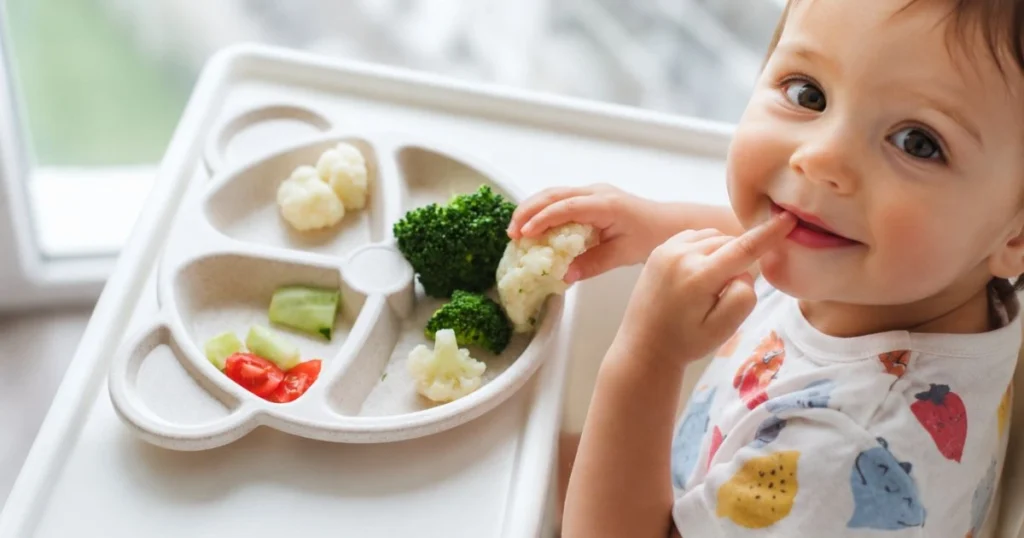
Safe preparation is important, but so is the environment in which your baby eats.
Have Your Baby Sit Upright
Your baby should eat while sitting upright in a suitable high chair or other safe position.
Avoid letting your baby eat while:
- Lying down
- Crawling
- Walking
- Playing
- Riding in a car or stroller
Stay With Your Baby While They Eat
Don’t leave your baby alone with food.
Stay close and pay attention to what your baby puts into their mouth.
Keep Mealtimes Calm
Avoid rushing your baby through meals. A calm eating environment gives you a better opportunity to notice how your baby is handling each food.
The CDC recommends upright seating, close supervision, calm mealtimes, and food prepared according to developmental ability.
Gagging vs. Choking
Gagging and choking are two different things.
Gagging can happen as babies learn how to manage new textures. Choking occurs when an object blocks the airway and requires immediate action.
Because choking can be life-threatening, every parent and caregiver should know basic infant choking first aid. Your pediatrician or a certified infant CPR/first-aid course can help you learn what to do.
Baby Finger Foods and Food Allergies
Common allergenic foods include foods such as:
- Egg
- Peanut
- Dairy
- Fish
- Wheat
- Soy
- Tree nuts
Current guidance does not recommend routinely delaying allergenic foods once your baby is ready for complementary foods. In fact, research has shown benefits from early introduction of peanut in infants at high risk for peanut allergy.
However, if your baby has severe eczema, an existing food allergy, or has previously reacted to a food, talk with your pediatrician before introducing highly allergenic foods.
Never give whole nuts to babies because of their choking risk.
Tips for Making Baby Finger Foods Easier
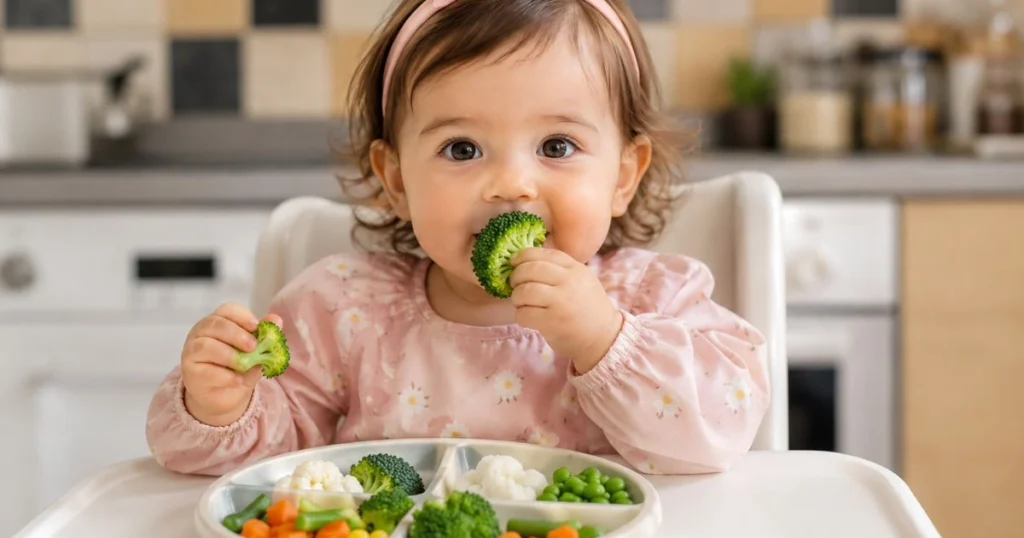
You don’t need to cook a completely separate meal for your baby every day.
Batch-Cook a Few Foods
You can prepare several baby-friendly foods ahead of time, such as:
- Sweet potato
- Broccoli
- Carrots
- Pasta
- Lentils
- Chicken
Keep Easy Foods Available
When you’re short on time, combine:
1 protein + 1 vegetable + 1 fruit or starch
For example:
- Egg + avocado + toast
- Chicken + sweet potato + broccoli
- Lentils + potato + pear
Don’t Expect Your Baby to Love Everything
Your baby may spit out a food today and happily eat it later.
That’s normal. Children may need repeated exposure before they accept some foods.Continue offering a variety of foods without making mealtimes stressful.
Different tastes and textures also give your baby opportunities to develop feeding skills and become familiar with a wider range of foods.
Frequently Asked Questions About Baby Finger Foods
What are the best baby finger foods?
Some easy options include ripe banana, avocado, soft-cooked sweet potato, broccoli, soft pear, scrambled egg, well-cooked pasta, tender shredded chicken, and plain yogurt. The best choice depends on your baby’s developmental skills and how the food is prepared.
What Are Good Baby Finger Foods for a 6-Month-Old?
If your 6-month-old is developmentally ready for complementary foods, you can start with very soft foods such as ripe banana, avocado, soft-cooked vegetables, and appropriately prepared egg. Always supervise your baby while eating.
Can babies eat finger foods without teeth?
Yes. Babies don’t need teeth to manage appropriately soft foods. They can use their gums to mash soft foods, but the food still needs to be prepared according to their developmental ability.
How do you cut baby finger foods?
The right shape depends on both the food and your baby’s developmental stage. Soft foods may be served as appropriately sized pieces, thin slices, or graspable strips. Round foods such as grapes and tomatoes require special preparation because their shape can increase choking risk.
What are the safest baby finger foods?
There is no food that is completely risk-free simply because it is on a “safe foods” list. Generally, choose foods that are soft, appropriately prepared, and easy for your baby to manage. Ripe banana, avocado, soft-cooked vegetables, scrambled egg, and tender shredded foods are examples.
What baby finger foods are choking hazards?
Common choking hazards include whole grapes, nuts, popcorn, hard raw vegetables, hard fruit pieces, whole beans, large chunks of meat or cheese, sausages, and thick spoonfuls of nut butter. Preparation can change the risk, so follow current choking-prevention guidance.
What finger foods can I give my 6-month-old?
Start with developmentally appropriate soft foods such as avocado, ripe banana, soft-cooked sweet potato, broccoli, soft pear, or fully cooked egg. Introduce new textures gradually as your baby’s skills develop.
When should babies start eating finger foods?
Complementary foods generally begin around 6 months when a baby shows developmental readiness. Finger-feeding skills continue to develop as babies become more capable of grasping, chewing, and swallowing different textures.
Can babies eat baby finger foods every day?
Yes. Appropriately prepared finger foods can be part of your baby’s regular complementary feeding routine. Aim for variety across fruits, vegetables, protein foods, grains, dairy, and healthy fats.
What foods should babies avoid before 1 year?
Babies should not have honey before 12 months. You should also avoid foods that are choking hazards and limit foods high in added sugars and sodium.
Conclusion:
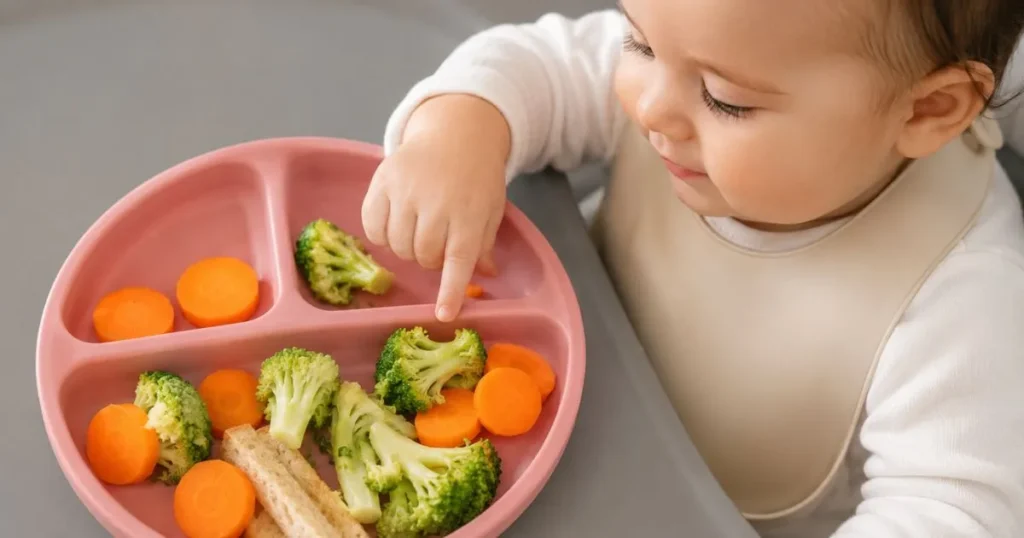
Starting finger foods doesn’t have to mean creating complicated recipes or perfectly balanced plates at every meal.
Your baby’s first goal is learning.
They’re learning how to grab food, bring it to their mouth, explore different textures, chew, swallow, and eventually feed themselves with more confidence.
Start with foods that are soft, nutritious, and appropriately prepared. Offer different fruits, vegetables, proteins, grains, and healthy fats, and give your baby time to become comfortable with each new experience.
Most importantly, stay close during meals and follow safe feeding practices every time.
Once your little one moves into the toddler stage, you can expand their meals with more textures, flavors, and family-friendly options. Explore our guide to finger foods for toddlers for your next ideas.
Ready to make mealtimes easier? Save this list of 30 baby finger foods and choose two or three soft foods to try at your baby’s next meal. Then come back as your baby’s feeding skills grow and explore new textures together.