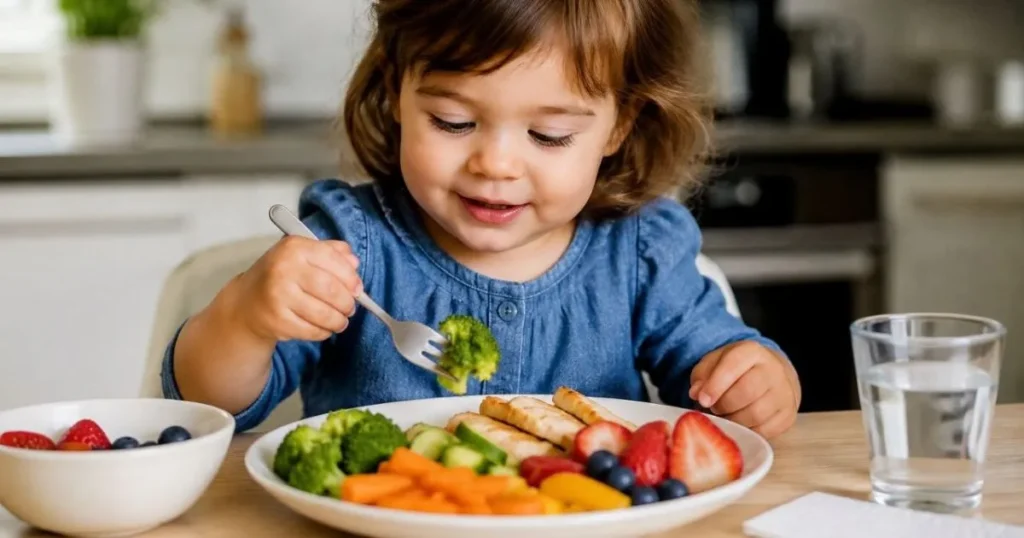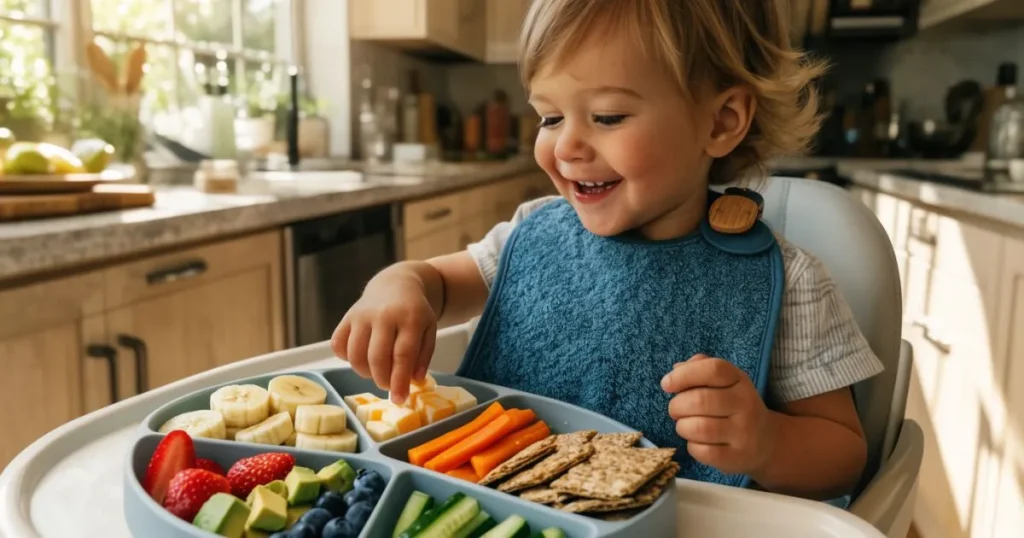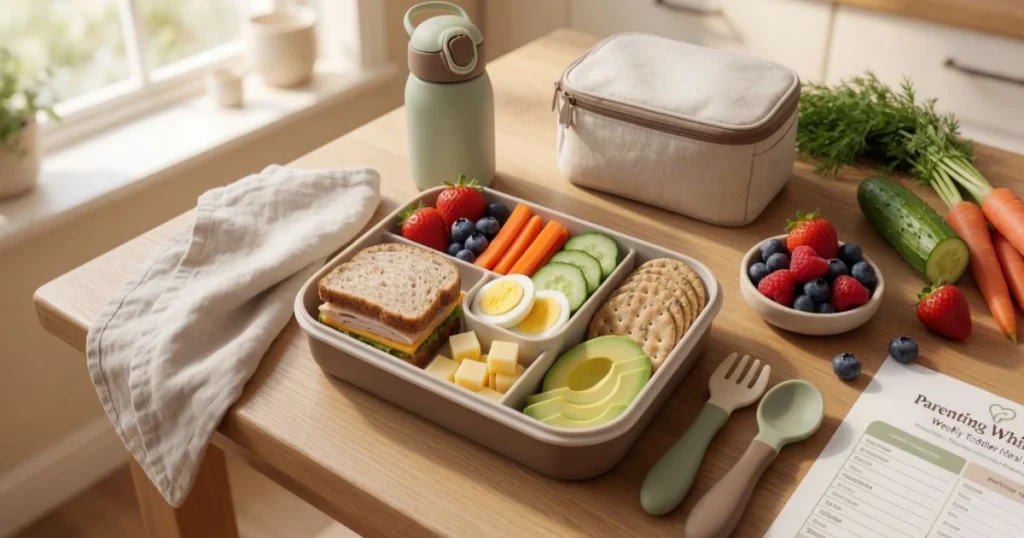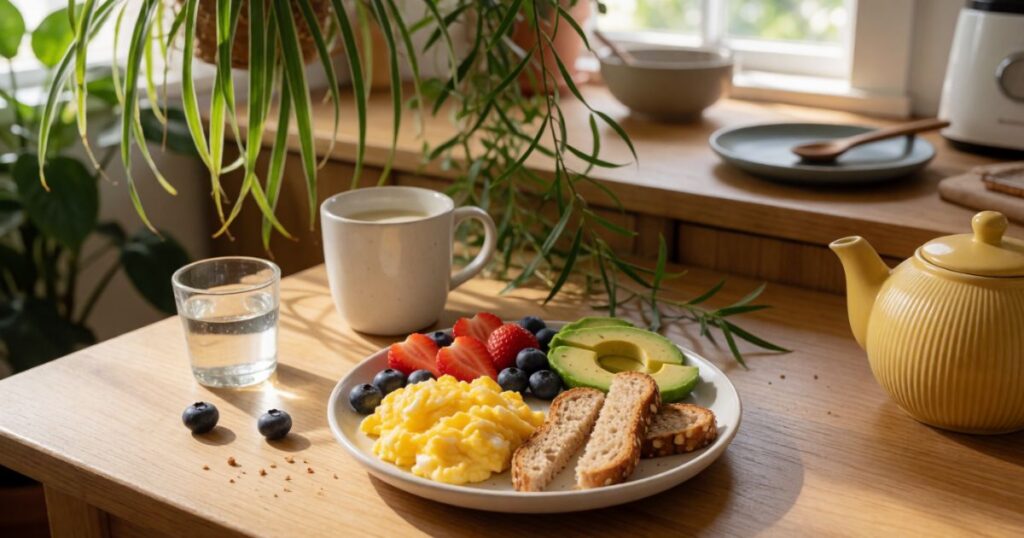
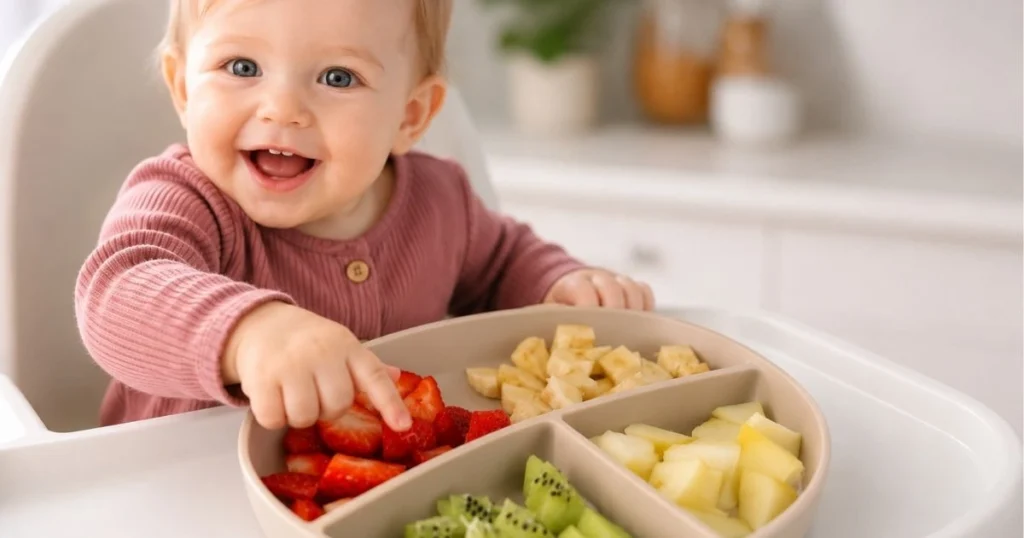
Feeding a toddler can turn an ordinary meal into a small negotiation. You prepare a nutritious meal, place it in front of your toddler, and then watch as they simply push the plate away. Then, unexpectedly, your toddler happily reaches for a piece of banana, toast, or broccoli and starts eating it.
If this feels familiar, give yourself some grace—you’re not doing anything wrong.
Finger foods for toddlers can make meals feel more manageable because they give your child a chance to participate. Instead of waiting for every bite from a spoon, your toddler can pick up food, explore its texture, practice feeding themselves, and decide how much they want to eat.
The good news is that you don’t need complicated recipes or expensive toddler products. Many ordinary foods can become excellent finger foods when they’re prepared with the right texture, size, and shape.
In this guide, you’ll find 40 easy and healthy finger foods for toddlers, plus practical meal combinations, ideas for picky eaters, simple preparation tips, and important choking-safety guidance.
Safety note: Always supervise your toddler while eating and prepare food according to your child’s developmental abilities. Choking risk depends on factors including a food’s shape, size, texture, and how it is prepared. The CDC recommends that young children sit upright while eating and that foods be prepared in developmentally appropriate ways.
“If you need more inspiration beyond finger foods, explore these toddler meal ideas for simple breakfast, lunch, and dinner combinations.”
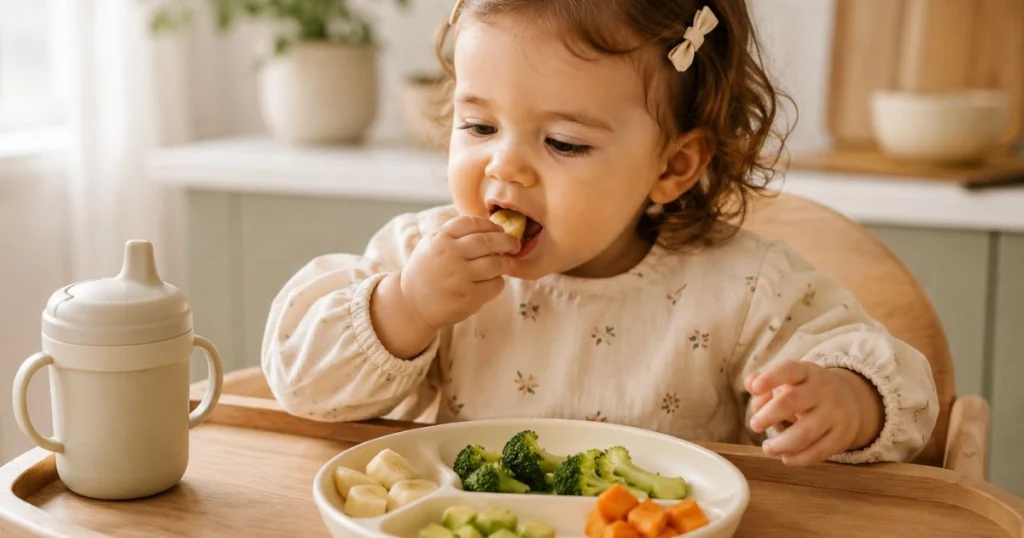
What Are Finger Foods for Toddlers?
Finger foods are foods your child can pick up and bring to their mouth without needing an adult to feed every bite.
For toddlers, they can be part of almost any meal:
- Breakfast
- Lunch
- Dinner
- Snacks
- Family meals
- On-the-go meals when a safe eating environment is available
The best toddler finger foods are generally soft, easy to grasp, nutrient-dense, and appropriate for your child’s chewing and swallowing skills.
You can serve them alone or combine several foods to create a balanced meal.
What Makes a Good Toddler Finger Food?
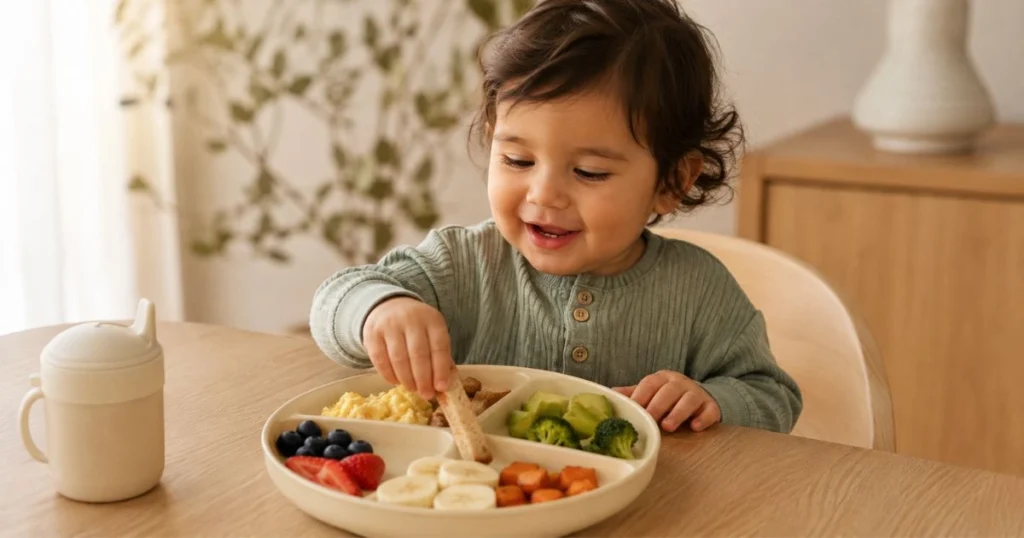
When choosing finger foods, think about four things:
- Texture: Is the food soft enough for your toddler to manage?
- Shape: Could the shape make the food difficult or dangerous to swallow?
- Nutrition: Does it contribute useful nutrients to the meal?
- Practicality: Can you prepare and serve it without turning your kitchen into a restaurant?
Soft cooked vegetables, ripe fruits, eggs, shredded chicken, pasta, yogurt, cheese, beans, lentils, and whole-grain foods can all fit into a toddler’s diet when prepared appropriately.
The CDC encourages offering young children a variety of vegetables, fruits, protein foods, dairy without added sugars, healthy fats, and whole grains.
When Can Toddlers Eat Finger Foods?
Finger feeding develops gradually.
Children begin complementary foods at around 6 months when they’re developmentally ready, and their ability to manage different textures develops over time. By the toddler years, many children are increasingly able to participate in family meals and feed themselves.
You don’t need to compare your child with another toddler. What matters is choosing foods that match your child’s current feeding abilities.
Finger Foods vs. Spoon-Fed Foods
You don’t have to choose one approach.
Your toddler can eat:
- Finger foods
- Foods eaten with a spoon
- Foods eaten with a toddler fork
- Mixed textures
- Family foods adapted for safety
The goal isn’t to make every meal completely hands-on. It’s to give your child regular opportunities to practice eating independently.
Why Finger Foods Are Good for Toddlers
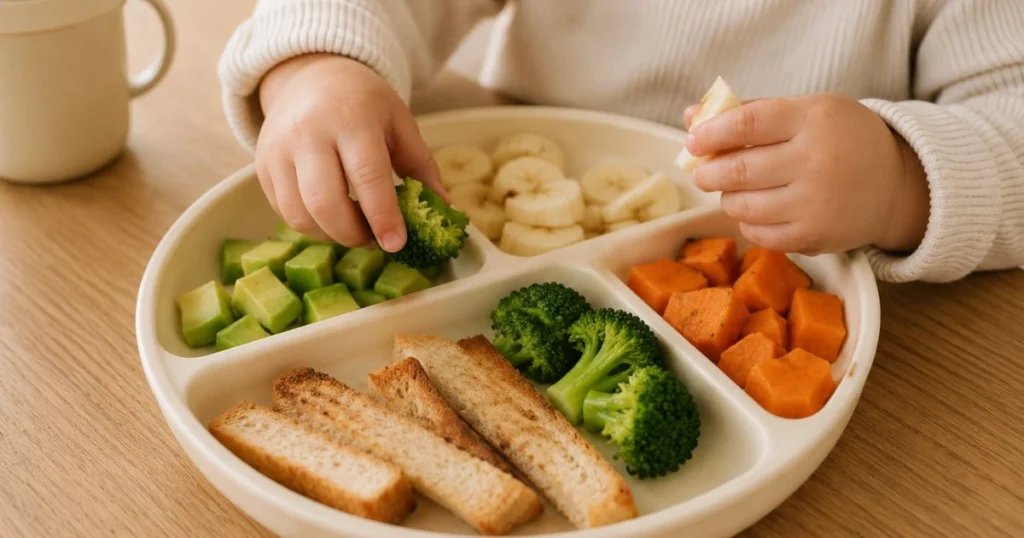
Finger foods aren’t simply a convenient way to get food onto your child’s plate. They can also support the skills your toddler is developing.
Encourage Independent Eating
Toddlers naturally want to do things themselves. Picking up a piece of food and bringing it to the mouth gives your child an active role in the meal.
The American Academy of Pediatrics notes that toddlers often enjoy feeding themselves and recommends offering appropriate finger foods when possible.
Help Your Toddler Explore Textures
A soft piece of avocado feels very different from toast or cooked broccoli.
Offering different textures gives your child opportunities to become familiar with how foods feel in their hands and mouth. The CDC notes that exposure to different tastes and textures can help children develop chewing skills and fine-motor skills such as picking food up with their fingers.
Make Mealtimes More Interactive
Touching and picking up food can make eating more engaging.
Your toddler may:
- Pick up food
- Smell it
- Squish it
- Examine it
- Taste it
- Drop it
- Try it again later
Not every interaction ends with a swallowed bite, and that’s okay.
Give Your Toddler Some Control
You choose which foods to offer and when it’s time to eat. Your child can participate by deciding what to eat from the choices you’ve provided and how much to eat.
This can be especially helpful during the toddler years, when appetite and food preferences can change from one meal to the next.
How to Build a Healthy Finger Food Plate
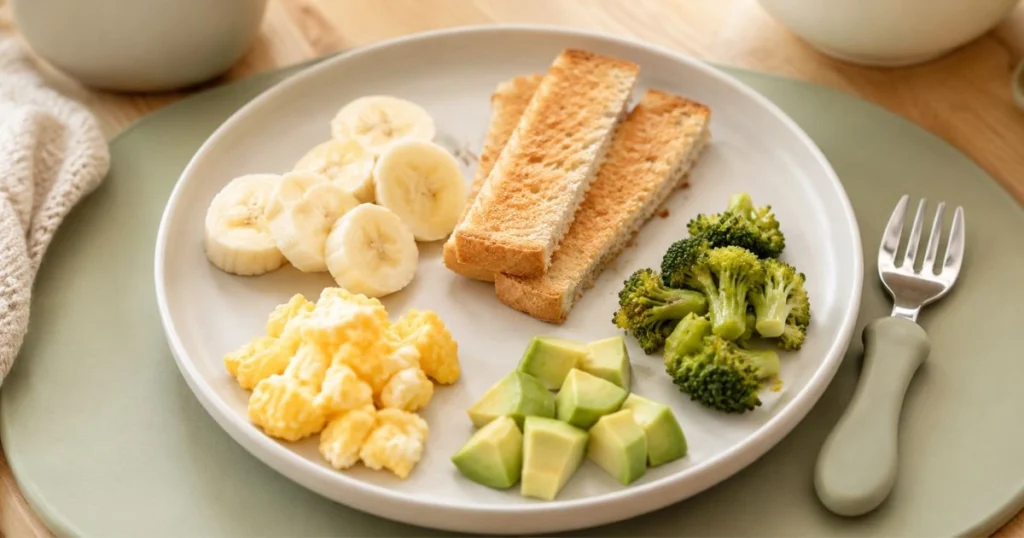
You don’t have to worry about getting every nutrient into every single meal.
Instead, aim to include a variety of food groups across the day.
A simple approach is:
Protein + grain or starch + fruit or vegetable + optional dairy or healthy fat
For example:
| Food group | Toddler-friendly examples |
| Protein | Egg, chicken, fish, beans, lentils |
| Grains/starches | Toast, pasta, rice, potato, pancakes |
| Fruits | Banana, pear, melon, avocado |
| Vegetables | Broccoli, carrot, zucchini, sweet potato |
| Dairy | Plain yogurt, pasteurized cheese |
The CDC recommends offering young children a variety of foods from these groups rather than relying on one type of food.
Don’t Aim for a Perfect Plate Every Time
Your toddler doesn’t need to eat a perfectly balanced plate at every sitting.
Maybe breakfast is mostly fruit and toast. Perhaps lunch goes surprisingly well and includes chicken, vegetables, and pasta. Dinner might consist of three bites of everything and a lot of water.
Focus on what your child eats throughout the day instead of worrying about one meal.
“You can also use these toddler meal ideas to create balanced plates using foods your child already enjoys.”
40 Best Finger Foods for Toddlers
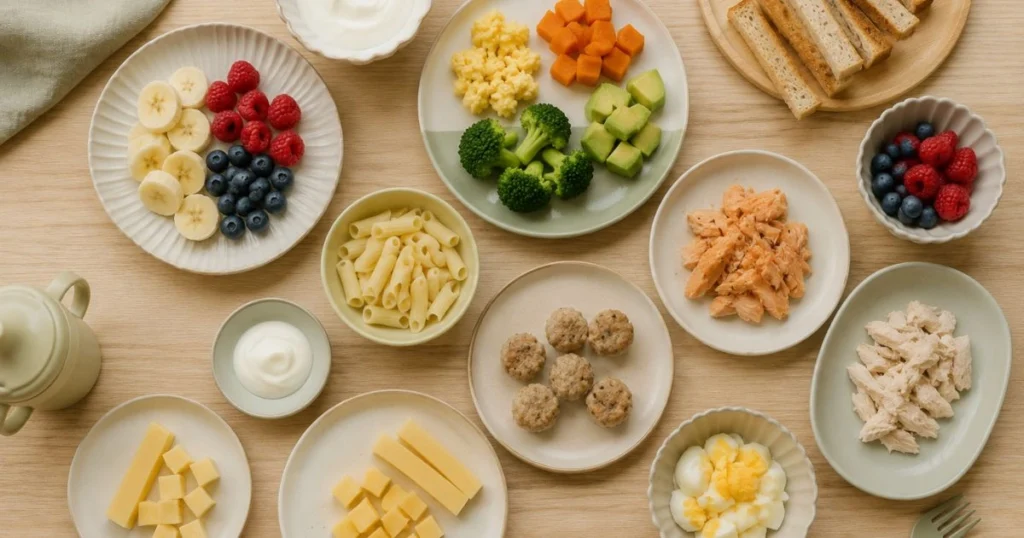
Here are 40 practical ideas you can rotate through breakfast, lunch, dinner, and snack time.
1. Soft Steamed Carrots
Cook carrots until they become soft and easy to mash.
You can serve them as appropriately prepared pieces or combine them with mashed potato, chicken, eggs, or hummus.
Why you’ll like them: They’re inexpensive, naturally sweet, and easy to prepare in batches.
2. Steamed Broccoli
Steam broccoli until tender.
The florets can be useful for toddlers who enjoy holding food themselves.
Try pairing it with: scrambled egg, pasta, chicken, or potato.
3. Roasted Sweet Potato
Sweet potato is naturally soft and slightly sweet.
Cut it into an appropriate shape before serving and roast until tender.
Easy combination: sweet potato + shredded chicken + avocado.
4. Soft Potato Cubes
Potatoes are one of the simplest toddler finger foods.
Boil, steam, or roast them until soft.
You can also mix them with:
- Egg
- Fish
- Chicken
- Lentils
- Vegetables
5. Avocado Slices
Avocado has a naturally soft texture and can be served on its own or spread over toast.
If it feels too slippery for your toddler to grasp, you can leave some of the skin on as a temporary handle while they eat the flesh, provided you are supervising closely.
6. Banana Pieces
Bananas require virtually no preparation.
They work especially well for:
- Breakfast
- Afternoon snacks
- Travel meals when appropriate
- Pairing with yogurt
7. Soft-Cooked Apple Pieces
Raw apple can be firm and difficult for young children to manage.
Cooking apple softens it considerably.
Try serving soft apple with plain yogurt or alongside a pancake.
8. Ripe Pear Pieces
A ripe pear can be naturally soft and easy to incorporate into breakfast or snack time.
Remove the core and prepare it in a developmentally appropriate form.
9. Soft Melon Pieces
Melon makes a refreshing finger food.
Choose ripe melon and prepare it appropriately rather than offering large, slippery pieces.
The CDC specifically warns against serving uncut round fruits or melon balls to young children because shape can increase choking risk.
10. Soft Peach or Nectarine
A ripe peach can be a naturally soft fruit option.
Remove the pit completely and prepare the flesh appropriately for your toddler.
11. Scrambled Eggs
Scrambled eggs are quick, soft, and versatile.
Serve small pieces alongside:
- Toast
- Avocado
- Soft vegetables
- Potato
- Fruit
Eggs are also among the protein foods recommended as part of a varied diet for young children.
12. Vegetable Omelet Strips
Ingredients
| Ingredient | Amount |
| Egg | 1–2 |
| Finely chopped zucchini | 1–2 tbsp |
| Finely chopped broccoli | 1 tbsp |
| Cheese | Optional |
Cook the omelet thoroughly, let it cool, and cut it into an appropriate shape.
13. Shredded Chicken
Tender shredded chicken can be an easy lunch or dinner protein.
Make sure it is moist and tender rather than dry or tough.
Serve with: pasta, potato, avocado, carrots, or broccoli.
14. Soft Homemade Meatballs
Ingredients
| Ingredient | Purpose |
| Ground chicken or beef | Protein |
| Egg | Binder |
| Finely grated zucchini | Moisture |
| Soft breadcrumbs | Structure |
| Mild herbs | Flavor |
Make the meatballs soft rather than dense or chewy. Prepare and portion them according to your child’s developmental abilities.
15. Flaked Fish
Fish can add protein and other useful nutrients to your toddler’s diet.
Cook it thoroughly, remove every bone, and flake it carefully before serving.
Choose fish that is appropriate for young children and avoid high-mercury fish. The CDC lists king mackerel, marlin, orange roughy, shark, swordfish, tilefish from the Gulf of Mexico, and bigeye tuna among fish to avoid for young children.
16. Toast Strips
Toast can become a versatile finger food.
Try topping it with:
- Mashed avocado
- Thinly spread nut butter
- Hummus
- Mashed banana
- Soft cheese
Avoid thick or sticky spoonfuls of nut butter.
17. Whole-Grain Pancake Strips
Simple ingredients
| Ingredient | Amount |
| Whole-grain flour | ½ cup |
| Egg | 1 |
| Mashed banana | ½ |
| Milk or suitable alternative | As needed |
Cook thoroughly and cut into manageable pieces.
18. French Toast Strips
Combine bread with egg and milk, then cook thoroughly.
You don’t need syrup or added sugar to make French toast appealing to a toddler. A little cinnamon or mashed fruit can provide plenty of flavor.
19. Mini Waffles
Homemade mini waffles can work well as breakfast or snack finger foods.
Try combining:
- Whole-grain flour
- Egg
- Milk
- Mashed banana or pear
Keep them soft rather than overly crisp.
20. Soft-Cooked Pasta
Pasta is one of the easiest ways to introduce a familiar family meal in a toddler-friendly form.
Useful shapes include:
- Fusilli
- Rotini
- Penne
- Shells
Combine pasta with vegetables, beans, shredded chicken, or a mild sauce.
21. Soft Cheese
Pasteurized cheese can contribute protein and calcium.
Depending on the type, prepare it in a form appropriate for your toddler rather than offering large chunks.
Try:
Cheese + pear + toast
or
Cheese + avocado + pasta
22. Plain Yogurt With Soft Fruit
Ingredients
| Ingredient | Amount |
| Plain yogurt | ¼–½ cup |
| Soft banana | A few pieces |
| Ripe pear | A few pieces |
Choose plain yogurt without added sugars when possible.
The CDC recommends avoiding foods with added sugars for infants and young children.
23. Hummus With Soft Vegetables
Hummus can add variety to a vegetable snack.
Serve it with appropriately prepared:
- Carrots
- Zucchini
- Broccoli
- Toast
Use a smooth consistency and avoid presenting large sticky spoonfuls.
24. Cooked Green Beans
Cook green beans until tender.
They can be paired with:
- Potato
- Egg
- Chicken
- Fish
Avoid serving them hard or stringy.
25. Soft Cooked Peas
Peas can be mixed into rice, pasta, mashed potato, or scrambled eggs.
They can also add color and variety to a toddler plate.
26. Cooked Zucchini
Zucchini has a mild flavor that makes it easy to add to familiar foods.
Use it in:
- Omelets
- Patties
- Pasta
- Fritters
- Vegetable mixtures
27. Roasted Pumpkin
Roast pumpkin until soft.
You can serve it alone or mash it into:
- Potato
- Lentil patties
- Pancakes
- Vegetable fritters
28. Soft Lentil Patties
Ingredients
| Ingredient | Purpose |
| Cooked lentils | Protein and fiber |
| Mashed potato | Binder |
| Grated carrot | Vegetable |
| Egg | Binder |
| Mild herbs | Flavor |
Cook until set but keep the finished patties soft.
29. Soft Bean Patties
Mash cooked beans and combine them with egg and finely chopped vegetables.
Form small, soft patties and cook thoroughly.
Beans can be a useful plant-based protein option.
30. Quesadilla Strips
Ingredients
| Ingredient | Role |
| Soft tortilla | Base |
| Shredded cheese | Protein/calcium |
| Mashed beans | Protein/fiber |
| Soft vegetables | Variety |
Cook until the filling is heated and the tortilla remains manageable rather than hard and crunchy.
Cut appropriately before serving.
31. Mini Egg Muffins
Ingredients
| Ingredient | Amount |
| Eggs | 2 |
| Finely chopped broccoli | 2 tbsp |
| Finely chopped zucchini | 2 tbsp |
| Cheese | 1 tbsp |
Mix, place in a mini muffin pan, and bake until completely cooked.
They’re particularly useful for make-ahead breakfasts.
32. Soft Homemade Grain Bites
You can combine cooked or ground grains with soft fruit and egg to make small homemade bites.
Keep the finished texture soft rather than dry, hard, or crumbly.
33. Soft Rice Balls
Ingredients
| Ingredient | Purpose |
| Cooked rice | Base |
| Mashed vegetables | Flavor and nutrients |
| Shredded chicken or beans | Protein |
| Egg | Binder |
Use soft, well-cooked rice and prepare the finished food according to your toddler’s feeding abilities.
34. Couscous With Soft Vegetables
Couscous can be combined with:
- Zucchini
- Carrots
- Peas
- Shredded chicken
Keep the mixture moist and easy to manage.
35. Banana Oat Pancakes
Ingredients
| Ingredient | Amount |
| Banana | 1 |
| Egg | 1 |
| Oat flour or finely ground oats | ¼ cup |
| Milk | As needed |
Cook thoroughly and cut into strips.
If your child cannot tolerate an ingredient, replace it with an appropriate alternative rather than forcing a particular recipe.
36. Homemade Vegetable Fritters
Use soft vegetables such as zucchini, potato, or carrot.
Simple formula
Cooked vegetable + egg + suitable binder
Cook thoroughly and keep the texture soft.
37. Chicken and Vegetable Patties
Ingredients
| Ingredient | Purpose |
| Cooked shredded chicken | Protein |
| Mashed potato | Binder |
| Finely chopped vegetables | Nutrients |
| Egg | Binder |
These can be prepared ahead and stored appropriately.
38. Toast With Thinly Spread Nut or Seed Butter
Nut and seed butters can be nutrient-dense additions to a toddler’s diet.
The important part is how you serve them.
Never give a toddler a thick spoonful or large glob of nut butter. The CDC lists chunks or spoonfuls of nut and seed butter as choking hazards, while the AAP recommends spreading peanut butter thinly.
39. Soft Fruit and Cheese
Combine a soft fruit with cheese for an easy snack.
Try:
- Pear + cheese
- Melon + mozzarella
- Banana + cottage cheese
Prepare both foods appropriately for your child’s abilities.
40. The Ultimate Toddler Snack Plate
When you can’t decide what to serve, build a small mix-and-match plate.
Example
| Food group | Example |
| Fruit | Banana |
| Vegetable | Soft broccoli |
| Protein | Egg |
| Grain | Toast |
| Dairy | Cheese |
You don’t have to include all five food groups at every meal. The idea is to give you a simple framework for creating varied meals from foods you already have at home.
Easy Finger Foods for Toddlers by Mealtime
Now that you have 40 ideas, you can make meal planning much easier by grouping them according to when you’ll serve them.
Finger Foods for Toddler Breakfast
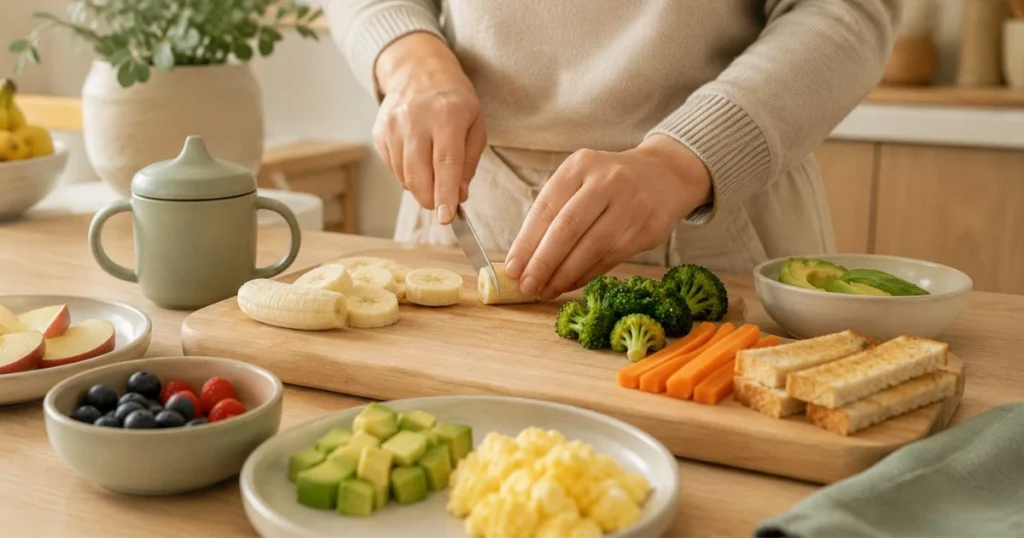
Try:
- Scrambled eggs + avocado + toast
- Banana pancake strips + yogurt
- French toast strips + soft pear
- Mini waffles + banana
- Egg muffins + sweet potato
Breakfast doesn’t have to be elaborate. A few simple foods can create a satisfying meal.
“For more simple morning options, see our guide to toddler breakfast ideas that are quick and easy to prepare.”
Finger Foods for Toddler Lunch
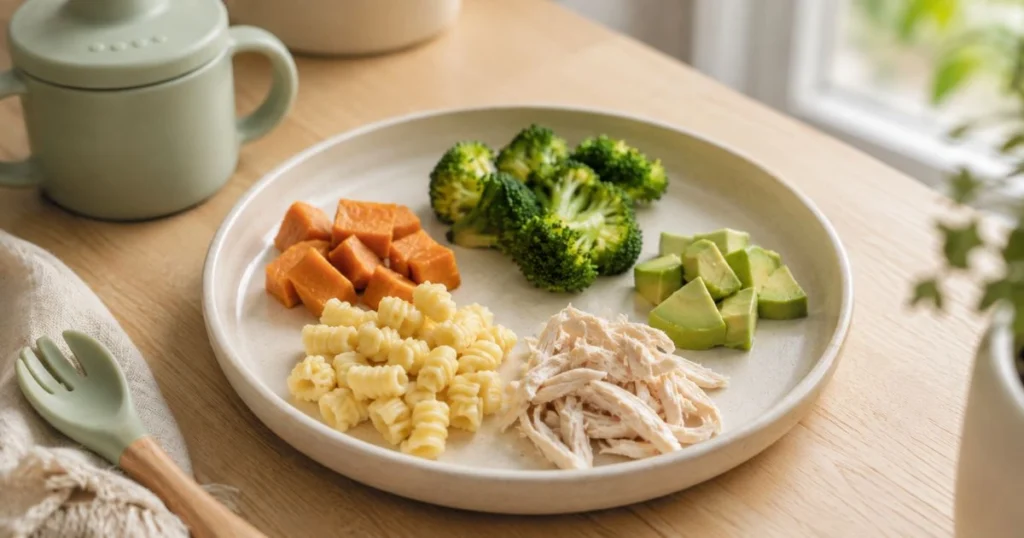
Try:
- Chicken + pasta + broccoli
- Quesadilla strips + avocado
- Lentil patties + sweet potato
- Egg muffins + potato + pear
- Fish + rice + zucchini
“If you’re looking for more variety at lunchtime, these toddler lunch ideas can help you build simple, balanced meals.”
Finger Foods for Toddler Dinner
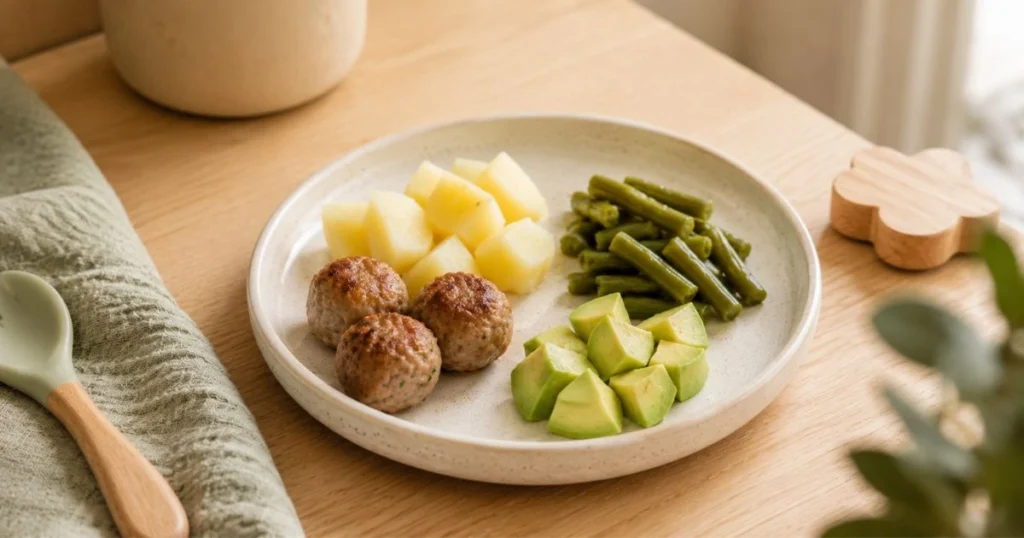
Try:
- Soft meatballs + potato + green beans
- Chicken patties + pasta + broccoli
- Fish + sweet potato + zucchini
- Lentil patties + rice + vegetables
- Egg + toast + avocado
“If you’re looking for more variety at lunchtime, these toddler lunch ideas can help you build simple, balanced meals.”
Healthy Finger Foods for Toddler Snacks
Keep snacks simple:
- Banana
- Soft pear
- Plain yogurt
- Cheese
- Avocado toast
- Soft vegetables with hummus
- Pancake strips
“For more snack inspiration, check out these Toddler Dinner Ideas for easy options between meals.”
The AAP notes that toddlers may have three meals and one or two snacks each day, although individual needs vary.
Finger Foods for Picky Toddlers
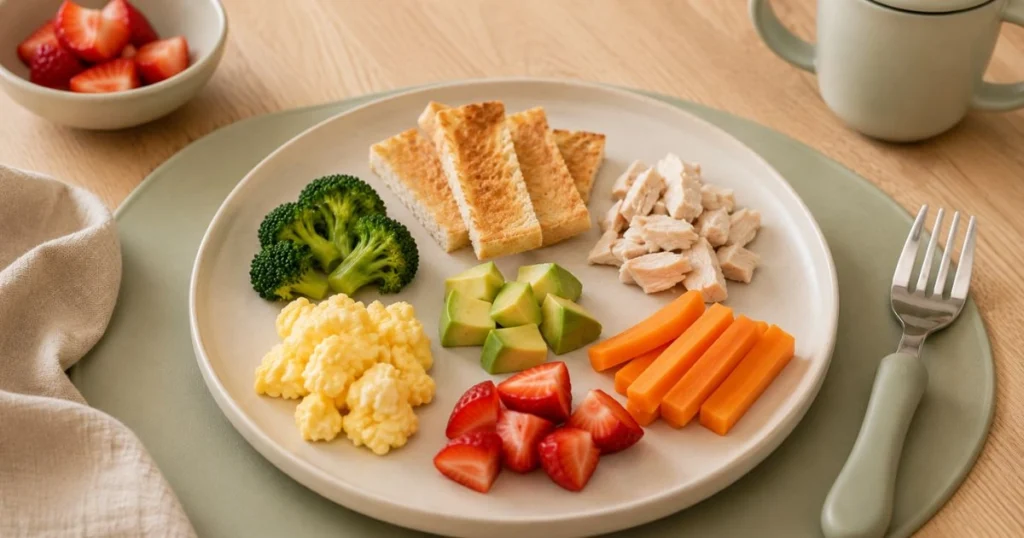
If your toddler eats five foods one week and rejects three of them the next, you’re not alone.
Picky eating is a normal part of the toddler stage, so instead of trying to make your child like every food, focus on offering a variety of options without pressure. Instead, create repeated, low-pressure opportunities to see and taste different foods.
“If your toddler regularly refuses new foods, these Breakfast for Picky Toddlers can give you more low-pressure options to try.”
Serve One Familiar Food With One New Food
If banana is a favorite, put a small amount of avocado beside it.
If toast is accepted, add a small portion of scrambled egg.
This gives your toddler something familiar while introducing something new.
Keep Portions Small
A huge serving of an unfamiliar food can feel overwhelming.
Start with a small amount.
You can always offer more.
Don’t Turn Meals Into Battles
Avoid pressuring your toddler to take “just one bite.”
Instead:
- Offer the food.
- Let your toddler decide whether to eat it.
- Keep the atmosphere relaxed.
- Try again another day.
The AAP recommends avoiding mealtime battles and allowing toddlers to choose among healthy options.
Keep Offering Rejected Foods
A food being rejected once doesn’t mean it’s permanently off the menu.
Toddlers’ preferences can change quickly.
You can keep offering a food alongside something your child already accepts without making eating it a requirement.
Finger Foods for Toddlers Learning to Self-Feed
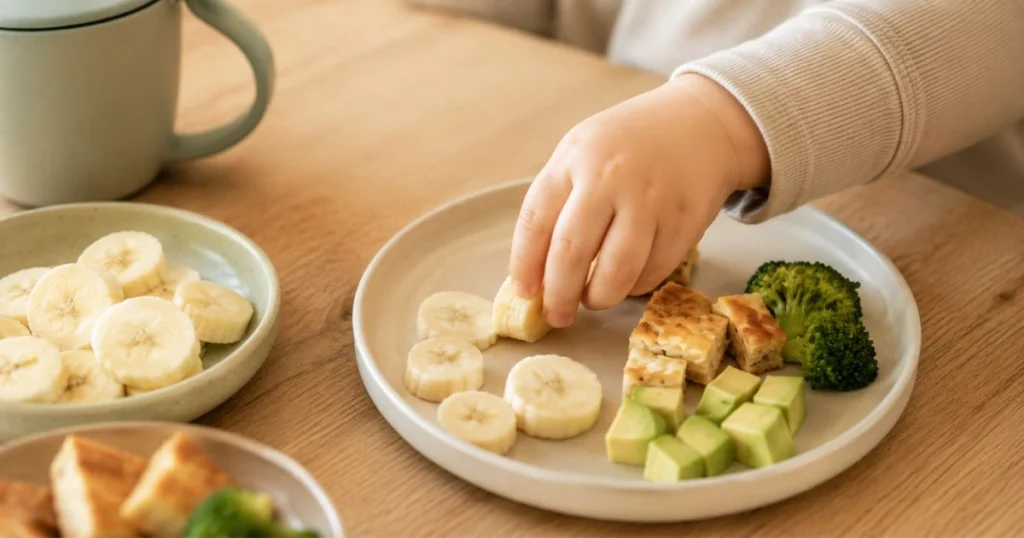
Self-feeding can be messy, slow, and occasionally frustrating—but it is also an important part of becoming more independent at the table.
Let Your Toddler Participate
Whenever it’s safe, allow your child to:
- Pick up food
- Hold pieces independently
- Practice with a spoon
- Explore different textures
- Choose between foods you’ve offered
The CDC notes that encouraging children to pick up food with their fingers can support fine-motor development and help them explore different textures.
Expect Some Mess
Your toddler may:
- Drop food
- Squish food
- Throw food
- Touch everything
- Eat one bite and refuse the next
Mess doesn’t automatically mean the meal failed.
Use a washable bib, easy-clean surface, and small portions to make cleanup less stressful.
Stay Nearby
Self-feeding does not mean unsupervised eating.
Your child should be seated upright and supervised during meals and snacks. The CDC specifically recommends that young children sit in a safe place while eating rather than walking, crawling, lying down, or eating in a moving vehicle.
How to Prepare Finger Foods for Toddlers Safely
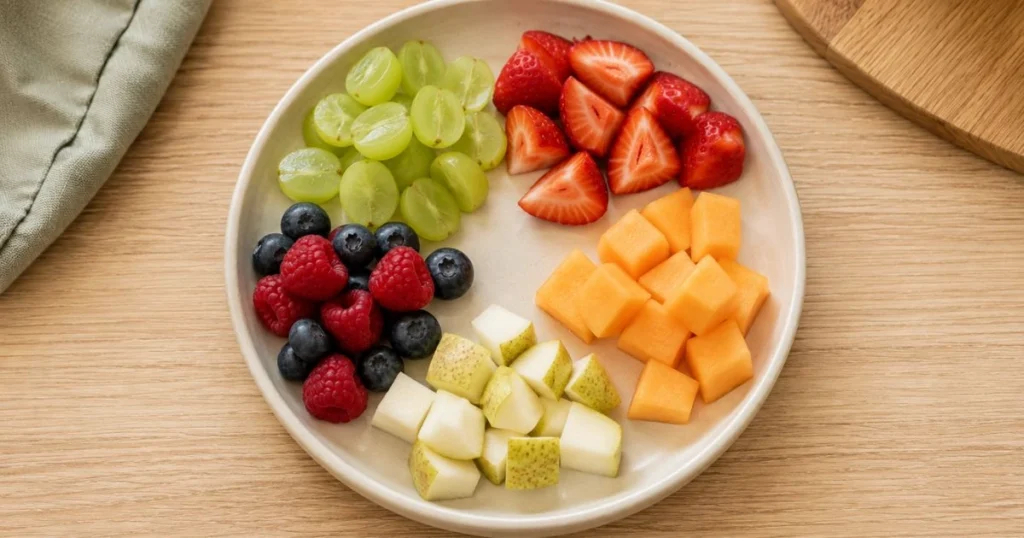
This is one part of toddler feeding where extra care really matters.
Even a food that seems healthy can become dangerous if it’s served in the wrong shape, size, or texture.
Cook Hard Foods Until Soft
Foods such as carrots and apples can become much easier to manage when cooked.
The CDC recommends cooking hard fruits and vegetables until they’re soft enough to mash easily.
Remove Bones, Pits, and Hard Parts
Before serving:
- Check fish carefully for bones.
- Remove fruit pits.
- Remove hard seeds when appropriate.
- Remove tough skin when necessary.
Modify Round Foods
Round foods can present a particular choking risk.
The CDC specifically identifies uncut grapes, berries, cherries, and melon balls as hazards.
Don’t assume that a small round food is automatically safe simply because it’s small.
Shred Tough Meat
Large, chewy pieces of meat can be difficult for toddlers to manage.
Choose tender meat and shred or finely prepare it appropriately.
Spread Nut Butter Thinly
Never offer a toddler a large spoonful of peanut butter or another thick nut or seed butter.
Spread it thinly on toast or another appropriate food instead.
Finger Foods Toddlers Should Not Eat Whole
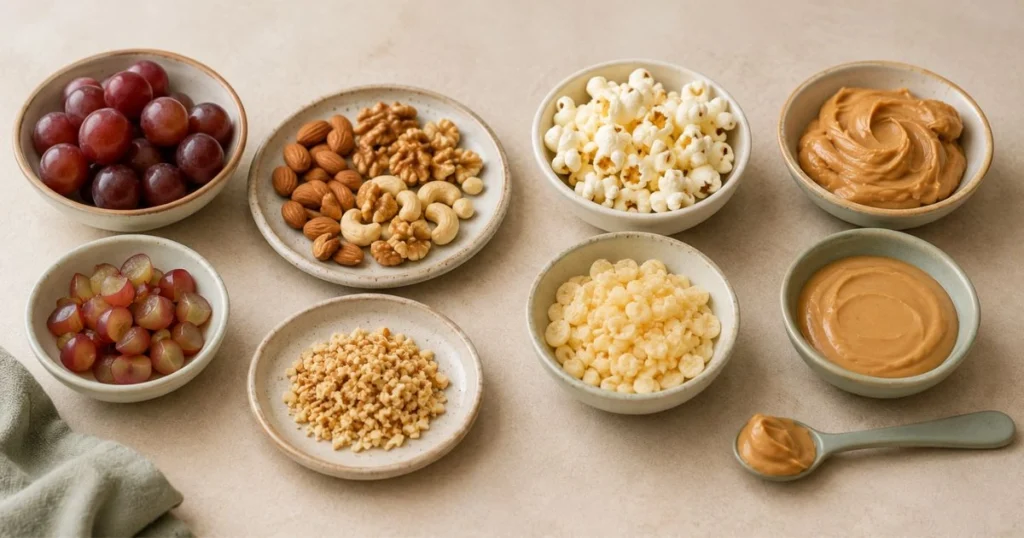
Some foods should be avoided or modified because their shape, size, hardness, or stickiness can increase choking risk.
| Food | Main concern | Safer approach |
| Whole grapes | Round and slippery | Cut appropriately |
| Whole nuts | Hard | Avoid whole nuts for young children |
| Popcorn | Difficult to manage | Avoid |
| Raw carrots | Hard | Cook until soft |
| Hot dogs/sausages | Cylindrical and firm | Modify appropriately |
| Thick nut butter | Sticky | Spread thinly |
| Hard candy | Hard and round | Avoid |
| Large meat chunks | Tough/chewy | Shred or finely prepare |
| Large cheese chunks | Firm | Prepare appropriately |
| Whole berries/cherries | Small and round | Modify appropriately |
The CDC’s current choking guidance specifically warns about whole grapes and berries, nuts and seeds, chunks of nut butter, tough meat, hot dogs, large cheese pieces, popcorn, and several other foods.
The Most Important Finger Food Safety Rules
Make these habits part of every meal:
- Have your toddler sit upright while eating.
- Stay with your child while they eat.
- Avoid eating while walking or running.
- Avoid food in the car or stroller.
- Choose and prepare foods that match your child’s current eating and chewing skills.
- Keep hard, sticky, round, and difficult-to-chew foods away or modify them appropriately.
If your child has a chewing or swallowing difficulty, ask their pediatrician or feeding specialist for individualized guidance.
How to Make Finger Foods More Nutritious
You don’t have to turn every meal into a complicated recipe.
Small changes can make familiar foods more nutritious.
Add Protein
Try adding:
- Egg
- Chicken
- Fish
- Beans
- Lentils
- Yogurt
- Cheese
Add Fruits or Vegetables
You can mix vegetables into:
- Omelets
- Meatballs
- Patties
- Pasta
- Rice
- Quesadillas
You can add fruit to:
- Pancakes
- Yogurt
- Toast
- Oat-based recipes
Choose Whole-Grain Foods When Appropriate
Try:
- Whole-grain bread
- Whole-grain pasta
- Whole-grain pancakes
The CDC recommends whole grains as part of a varied eating pattern for young children.
Limit Added Sugar and Excess Sodium
Toddlers don’t need heavily sweetened foods to enjoy meals.
Instead of:
- Sugary yogurt
- Sweetened drinks
- Cookies
- Candy
choose naturally flavorful foods such as ripe fruit, plain yogurt, vegetables, eggs, and homemade foods without unnecessary added sugar.
The CDC states that infants and young children should not have added sugars and recommends limiting foods high in sodium.
Easy Finger Food Combinations for Toddlers
Once you understand the basic food groups, you can create dozens of meals without following a recipe.
| Meal | Protein | Grain/Starch | Fruit/Vegetable |
| Breakfast | Egg | Toast | Banana |
| Lunch | Chicken | Pasta | Broccoli |
| Dinner | Fish | Potato | Green beans |
| Snack | Yogurt | Toast | Pear |
| Vegetarian meal | Lentils | Rice | Zucchini |
Think of this table as a starting point rather than a strict formula.
Your toddler might eat more of one food and barely touch another. That’s normal.
Toddler Finger Food Meal Prep Ideas
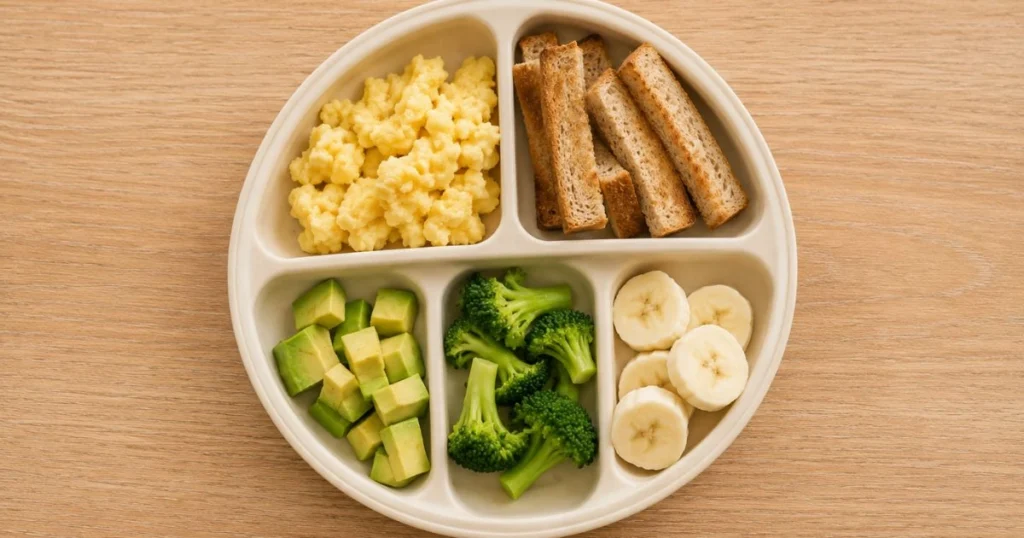
Meal prep doesn’t have to take up your whole day or leave you cooking for hours.
Batch-Cook Vegetables
Prepare a few soft vegetables at once:
- Carrots
- Broccoli
- Sweet potato
- Zucchini
- Pumpkin
Store them safely and use them across several meals.
Prepare Protein Ahead
You can prepare toddler-friendly portions of:
- Chicken
- Meatballs
- Egg muffins
- Lentil patties
- Bean patties
Keep Simple Foods Available
Your emergency toddler-food shelf or refrigerator can include:
- Bananas
- Pears
- Avocados
- Plain yogurt
- Cheese
- Whole-grain bread
- Eggs
This makes it easier to assemble a meal when your toddler suddenly announces they’re starving five minutes after you finish cooking.
Frequently Asked Questions About Finger Foods for Toddlers
What Are the Best Finger Foods for Toddlers?
Some excellent options include soft cooked vegetables, ripe fruit, eggs, shredded chicken, flaked fish, pasta, toast, yogurt, cheese, beans, and lentils.
The best choice depends on your toddler’s developmental abilities and the rest of the day’s diet.
What Are Healthy Finger Foods for Toddlers?
Healthy finger foods can include foods from several groups:
- Fruits
- Vegetables
- Whole grains
- Eggs
- Meat and fish
- Beans and lentils
- Plain yogurt
- Pasteurized cheese
- Healthy-fat foods such as avocado
The CDC recommends offering young children a variety of nutrient-dense foods rather than relying on one category.
What Are Easy Finger Foods for Toddlers?
Some of the easiest options require almost no cooking:
- Banana
- Avocado
- Plain yogurt
- Soft pear
- Cheese
- Toast
- Scrambled egg
Keep a few of these foods available for days when you don’t have time to prepare a full recipe.
What Are the Best Finger Foods for a 1-Year-Old Toddler?
At around 1 year, many children are ready to participate more actively in family meals, but food still needs to be prepared according to their chewing and swallowing abilities.
Soft vegetables, ripe fruit, eggs, tender shredded meat, pasta, yogurt, and appropriately prepared toast are examples.
What Are Good Finger Foods for a 2-Year-Old?
A 2-year-old can generally eat a wide variety of family foods when appropriately prepared.
AAP guidance notes that toddlers at this age can feed themselves many finger foods but remain at risk of choking.
Continue to modify foods that are hard, round, sticky, tough, or difficult to chew.
What Are Good Finger Foods for a Picky Toddler?
Start with foods your child already accepts and pair them with something new.
For example:
- Banana + avocado
- Toast + egg
- Pasta + broccoli
- Potato + fish
- Yogurt + pear
Keep portions small and avoid forcing your toddler to eat.
How Do You Cut Finger Foods for Toddlers?
There isn’t one cutting method that works for every food or every child.
Consider:
- The food’s shape
- Its firmness
- Whether it’s sticky
- Your child’s chewing ability
- Your child’s developmental stage
The CDC recommends preparing foods according to developmental ability and paying particular attention to size, shape, and texture.
What Finger Foods Should Toddlers Avoid?
Common choking hazards include whole grapes, whole nuts, popcorn, hard raw vegetables, thick globs of nut butter, hard candy, hot dogs, large pieces of meat, and other foods that are hard, round, sticky, or difficult to chew.
Can Toddlers Eat Finger Foods at Every Meal?
Yes. Finger foods can be part of breakfast, lunch, dinner, and snacks.
You can also combine finger foods with spoon-fed foods. Your toddler doesn’t have to eat every food with their hands.
What Should You Do If Your Toddler Refuses Most Finger Foods?
Keep offering a variety of appropriate foods without pressure.
Include at least one familiar food when introducing something new, and avoid turning meals into a competition.
If you’re concerned that your toddler’s eating is extremely limited, growth is affected, or eating seems difficult or painful, talk with your child’s pediatrician.
Conclusion: Keep Finger Foods Simple and Stress-Free
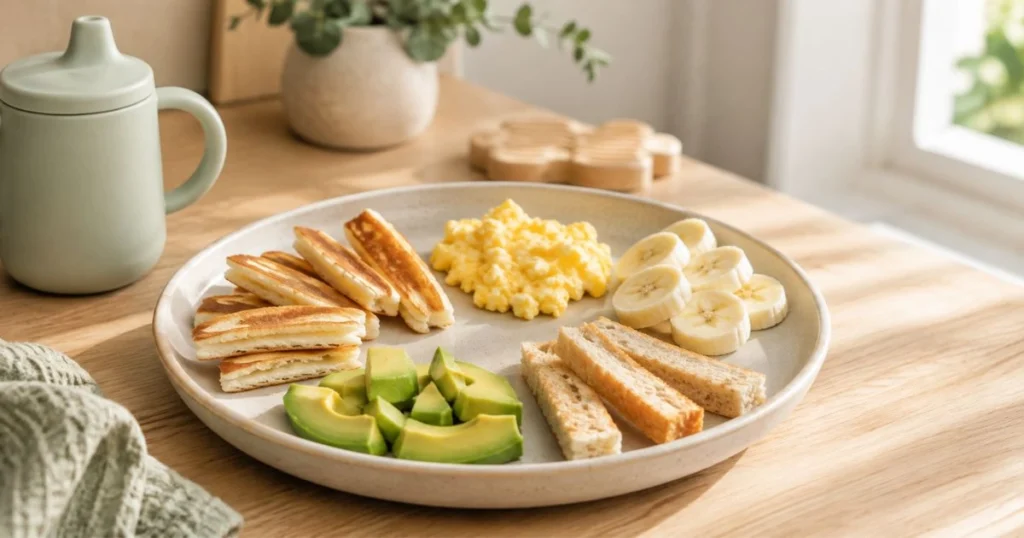
Finding good finger foods for toddlers doesn’t have to mean cooking separate meals every day.
Some of the most useful choices are already sitting in your kitchen: a ripe banana, soft broccoli, scrambled eggs, avocado, toast, pasta, potato, yogurt, or tender chicken.
What matters most is how you put those foods together.
Aim for variety across the day. Offer different colors, textures, flavors, and food groups. Let your toddler practice feeding themselves during meals. Let them decide how much to eat from the foods you’ve offered.
And above all, keep safety at the center of every meal.
A toddler doesn’t need a picture-perfect plate. They need repeated opportunities to explore food in a safe, calm environment.
So start small. Choose two or three ideas from this list, add one familiar favorite, and see what your toddler enjoys.
Save this list for your next grocery trip, share it with another parent navigating toddler mealtimes, and come back whenever you need a fresh finger-food idea.
Your next easy toddler meal may be much simpler than you think.